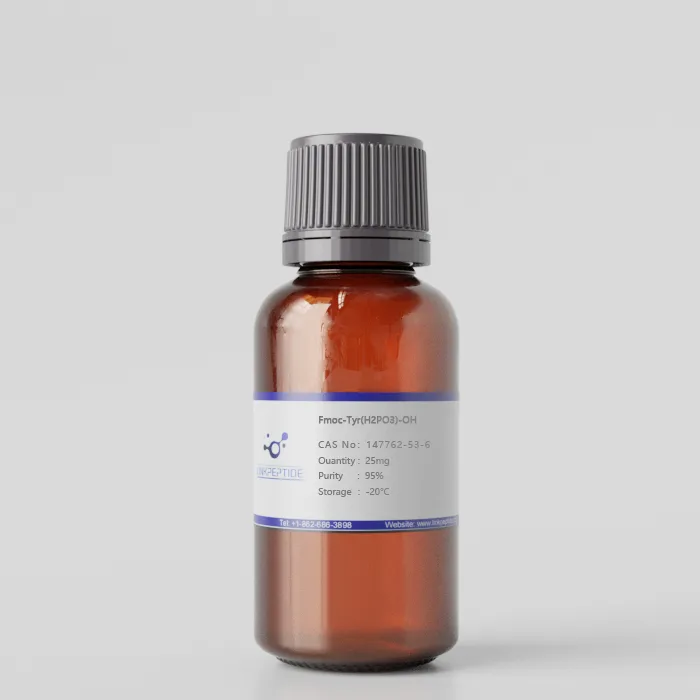
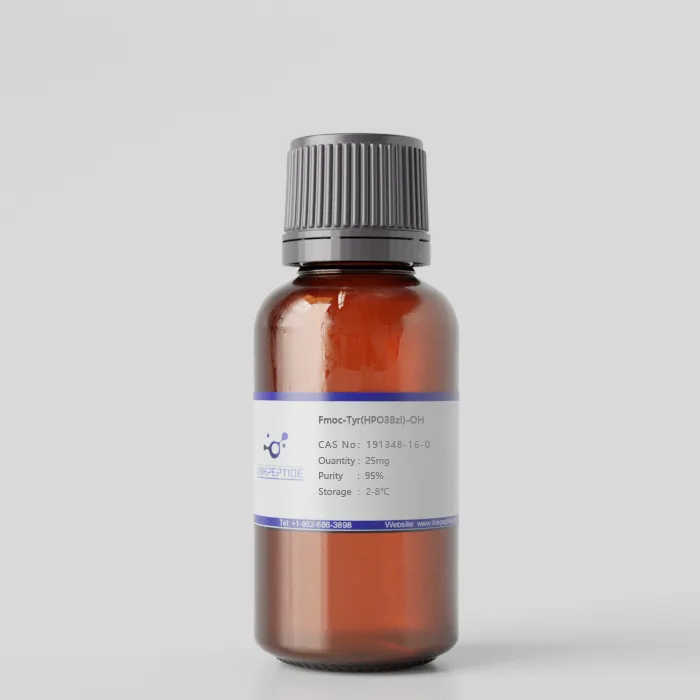
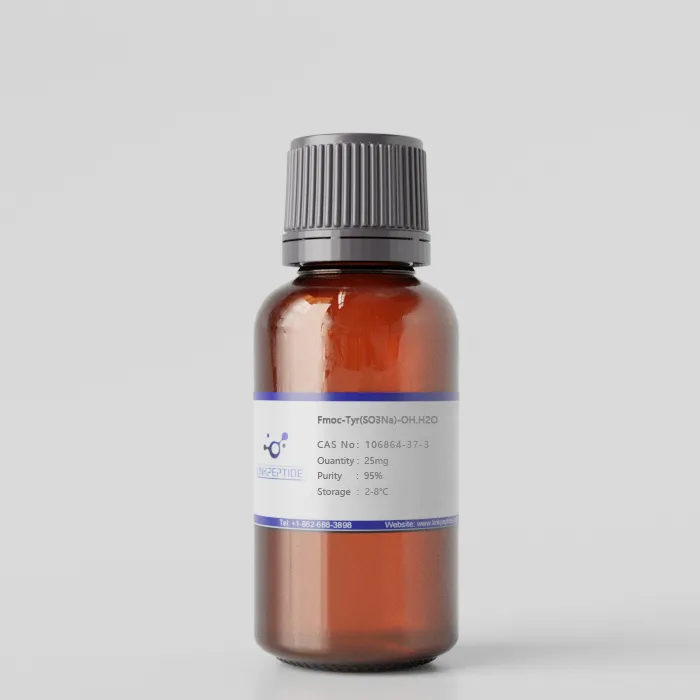
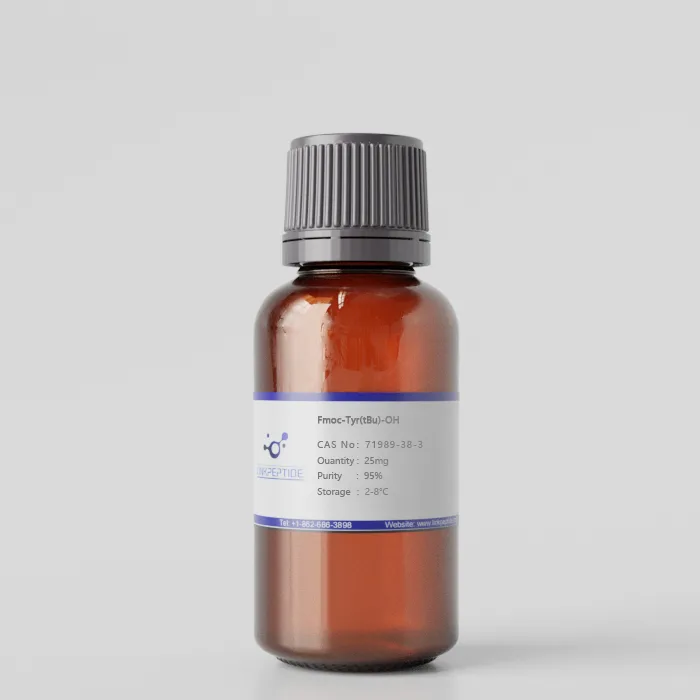
[Expand product categories]

Amino Acids

Research Tools for Peptide Synthesis, Biochemical Research, and Advanced Applications


Amino acids are the fundamental building blocks of peptides and proteins, playing a critical role in biological systems and biochemical research. They are widely used in peptide synthesis, pharmaceutical development, metabolic studies, and a broad range of scientific applications. At Linkpeptide, we offer a comprehensive portfolio of high-quality amino acids, including natural, non-natural, and modified amino acids. Our products are designed to support peptide synthesis, chemical biology, and advanced research applications, ensuring high purity, consistency, and performance.  
Default Ranking Price By Date

What Are Amino Acids?

Amino acids are organic compounds composed of an amino group (-NH₂), a carboxyl group (-COOH), and a variable side chain (R group) that determines their chemical properties and biological functions. They serve as the structural units of peptides and proteins, influencing folding, stability, and activity. There are 20 standard amino acids used in protein biosynthesis, along with numerous non-natural and synthetic variants designed for specialized applications. Key characteristics include:
  1. Fundamental components of peptides and proteins
  2. Diverse chemical properties based on side chains
  3. Essential roles in metabolism and cellular function
  4. Versatility in chemical synthesis and modification

Key Types of Amino Acids

This category includes several major classes relevant to research and synthesis:

Natural Amino Acids

Natural amino acids are the standard building blocks encoded by the genetic code and commonly found in proteins. Key features:
  1. Include 20 proteinogenic amino acids
  2. Classified as essential or non-essential
  3. Broad biological relevance
Examples:
  1. Glycine, Alanine, Leucine
  2. Serine, Lysine, Glutamic acid
Applications:
  1. Peptide and protein synthesis
  2. Biochemical and metabolic research
  3. Nutritional and pharmaceutical studies

Non-Natural Amino Acids

Non-natural (synthetic or modified) amino acids are engineered to introduce new chemical functionalities not found in nature. Key features:
  1. Expanded structural diversity
  2. Enhanced stability and activity
  3. Useful for structure–function studies
Applications:
  1. Drug development
  2. Protein engineering
  3. Chemical biology research

Protected Amino Acids

Protected amino acids are chemically modified to block reactive groups during peptide synthesis, ensuring controlled assembly of peptide chains. Common protecting groups:
  1. Fmoc (Fluorenylmethyloxycarbonyl)
  2. Boc (tert-Butyloxycarbonyl)
Key features:
  1. Enable stepwise peptide synthesis
  2. Prevent unwanted side reactions
  3. Essential for solid-phase peptide synthesis (SPPS)
Applications:
  1. Peptide synthesis workflows
  2. Automated peptide production
  3. Complex peptide design

Modified Amino Acids

Modified amino acids include derivatives with additional functional groups, labels, or structural modifications. Key features:
  1. Functionalized side chains
  2. Improved solubility or stability
  3. Enhanced biological activity
Applications:
  1. Peptide labeling and conjugation
  2. Drug design and delivery
  3. Structure–activity relationship studies

Role of Amino Acids in Peptide Synthesis

Amino acids are central to peptide synthesis, particularly in solid-phase peptide synthesis (SPPS): Chain Assembly Protected amino acids are sequentially added to a growing peptide chain on a solid support. Coupling Reactions Peptide bonds are formed through controlled chemical reactions between amino acids. Deprotection Steps Protecting groups are removed to expose reactive sites for further coupling. Final Cleavage and Purification The completed peptide is cleaved from the resin and purified for use.

Applications in Research and Industry

Amino acids are widely used across multiple scientific and industrial fields: Peptide and Protein Synthesis Serve as essential building blocks for custom peptide production. Pharmaceutical Development Used in the design of peptide drugs and biologics. Metabolic and Biochemical Research Study cellular processes, enzyme function, and metabolic pathways. Cosmetic and Nutritional Applications Incorporated into formulations for skin care and dietary supplements. Chemical Biology and Protein Engineering Enable the development of novel biomolecules with enhanced properties.

Advantages of High-Quality Amino Acids

Using high-quality amino acids is critical for successful research outcomes:
  1. High purity for reliable synthesis
  2. Consistent quality for reproducibility
  3. Compatibility with automated synthesis systems
  4. Wide range of functional modifications
  5. Scalable supply for research and production

Why Choose Linkpeptide Amino Acids

  1. High purity amino acids validated by HPLC and MS
  2. Broad selection including natural, protected, and modified variants
  3. Reliable batch-to-batch consistency
  4. Optimized for peptide synthesis and research applications
  5. Custom sourcing and synthesis available

Custom Amino Acid Services

At Linkpeptide, we provide tailored solutions to meet advanced research needs:
  1. Custom amino acid synthesis
  2. Specialized protecting group strategies
  3. Functionalized and labeled amino acids
  4. Scale-up production for industrial applications
 

FAQ

What are amino acids used for?

They are used as building blocks for peptides and proteins in research, pharmaceuticals, and biotechnology.

What is the difference between natural and non-natural amino acids?

Natural amino acids are encoded by DNA, while non-natural amino acids are synthetically designed for specialized applications.

Why are protected amino acids important?

They prevent unwanted reactions during peptide synthesis, ensuring accurate peptide assembly.

What is Fmoc in amino acids?

Fmoc is a protecting group commonly used in solid-phase peptide synthesis.

Does Linkpeptide offer custom amino acids?

Yes, we provide custom synthesis and modification services tailored to research needs.
Add InquiryUp to 12 can be added

No products in the cart.