[Expand product categories]

Classical CPPs

Classical Cell-Penetrating Peptides for Intracellular Delivery and Molecular Transport


Classical cell-penetrating peptides (CPPs) are a well-established class of short peptides capable of crossing cellular membranes and delivering a wide range of molecular cargo into cells. These peptides are widely used in biomedical research, drug delivery studies, and molecular biology to facilitate intracellular transport of biologically active compounds. At Linkpeptide, we offer a comprehensive selection of classical CPPs designed for efficient cellular uptake and delivery applications. Our peptides are optimized for high transduction efficiency, low cytotoxicity, and compatibility with diverse cargo types, making them essential tools for advanced research in therapeutics and cellular biology.

Default Ranking Price By Date
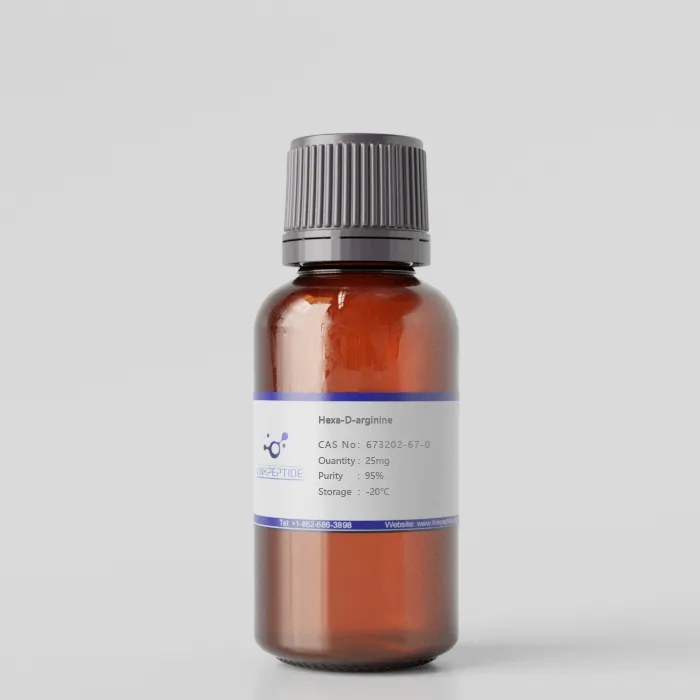
Hexa-D-arginine
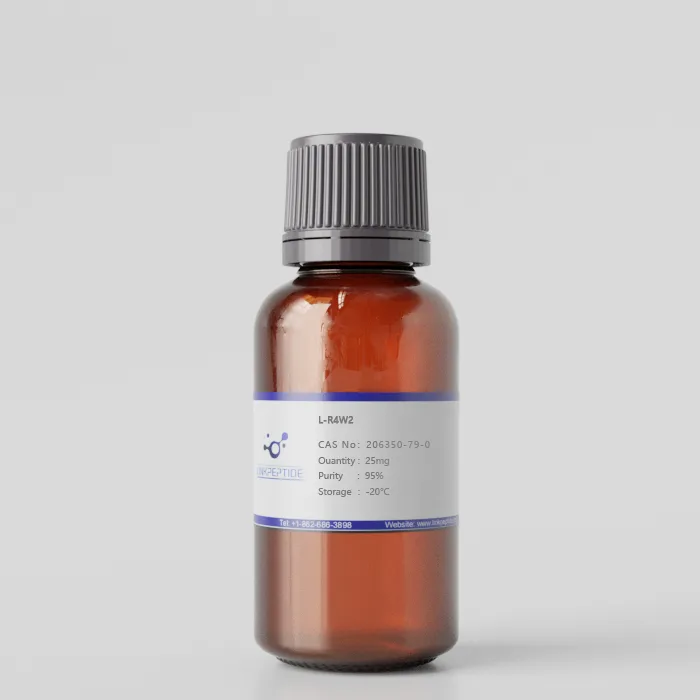
L-R4W2

L-R4W2

Add Inquiry
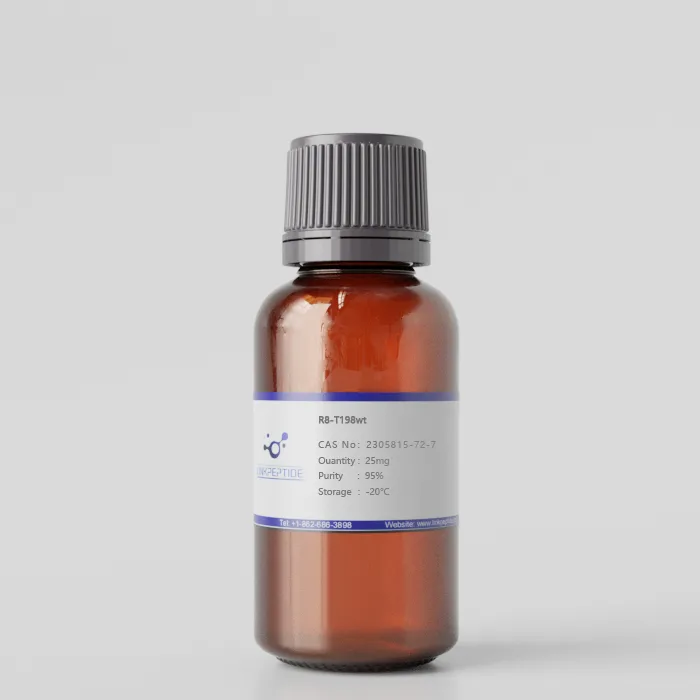
R8-T198wt

R8-T198wt

Add Inquiry
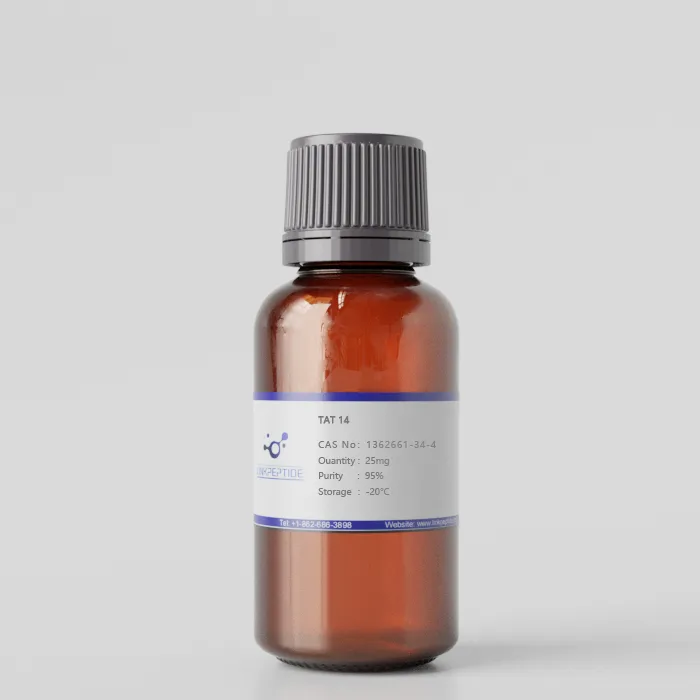
TAT 14

TAT 14

Add Inquiry

What Are Classical Cell-Penetrating Peptides (CPPs)?

Classical CPPs are short, typically cationic or amphipathic peptide sequences that possess the intrinsic ability to traverse cell membranes. These peptides can transport various cargo molecules—including nucleic acids, proteins, peptides, and small molecules—into cells without requiring invasive techniques. Most classical CPPs are rich in positively charged amino acids such as arginine and lysine, which facilitate interaction with negatively charged components of the cell membrane, enabling internalization. Key characteristics include:
  • Efficient cellular uptake across multiple cell types
  • Ability to deliver diverse molecular cargo
  • Non-invasive intracellular delivery mechanism
  • Flexible sequence design and modification
These properties make CPPs powerful tools in both basic research and applied biomedical science.

Key Types of Classical CPPs

This category includes several well-characterized CPP families :

TAT Peptide (HIV-1 Derived CPP)

The TAT peptide is one of the most widely studied CPPs, derived from the trans-activator of transcription (TAT) protein of HIV-1. Key features:
  • Rich in arginine and lysine residues
  • High cellular uptake efficiency
  • Broad applicability across cell types
Applications:
  • Protein and peptide delivery
  • Gene delivery studies
  • Intracellular signaling research

Penetratin

Penetratin is derived from the Antennapedia homeodomain and is another classical CPP known for efficient membrane translocation. Key features:
  • Amphipathic structure
  • Efficient uptake in various cell types
  • Balanced hydrophobic and cationic properties
Applications:
  • Drug delivery research
  • Cellular uptake studies
  • Peptide transport systems

Polyarginine Peptides

Polyarginine sequences (e.g., R8, R9) are highly cationic CPPs with strong membrane interaction capabilities. Key features:
  • High density of positive charges
  • Strong interaction with cell membranes
  • Efficient cargo delivery
Applications:
  • Nucleic acid delivery
  • Protein transduction
  • Nanoparticle transport

Mechanism of Cellular Uptake

Classical CPPs utilize multiple pathways to enter cells: Direct Translocation CPPs can cross the cell membrane directly through energy-independent mechanisms, often involving transient membrane destabilization. Endocytosis-Mediated Uptake Many CPPs enter cells via endocytosis, including:
  • Clathrin-mediated endocytosis
  • Caveolae-mediated uptake
  • Macropinocytosis
Electrostatic Interaction with Membrane The positively charged residues of CPPs interact with negatively charged phospholipids and glycosaminoglycans on the cell surface, facilitating internalization. Cargo Delivery Mechanisms CPPs can deliver cargo via:
  • Covalent conjugation
  • Non-covalent complex formation

Applications in Research and Therapeutic Development

Classical CPPs are widely used across multiple research domains: Drug Delivery Research Enable intracellular delivery of therapeutic molecules, including peptides, proteins, and nucleic acids. Gene Delivery and Editing Facilitate delivery of DNA, RNA, and CRISPR components into cells. Protein Transduction Allow direct delivery of functional proteins into living cells. Cancer Research Used to deliver anti-cancer agents and study tumor cell biology. Neuroscience and Cellular Biology Enable delivery of probes and modulators into difficult-to-transfect cells.

Advantages of Classical CPPs

Compared to traditional delivery methods:
  • Non-invasive intracellular delivery
  • Broad cargo compatibility
  • High transduction efficiency
  • Applicable to multiple cell types
  • Flexible design and modification
These advantages make CPPs highly valuable tools in modern biomedical research.

Why Choose Linkpeptide Classical CPPs

  • High purity peptides with validated sequences
  • Optimized for efficient cellular uptake
  • Consistent batch quality for reproducible results
  • Wide selection of well-characterized CPPs
  • Custom synthesis tailored to specific delivery needs

Custom CPP Design Services

At Linkpeptide, we provide tailored solutions for intracellular delivery:
  • Custom CPP sequence design
  • Cargo conjugation strategies (peptides, proteins, nucleic acids)
  • Stability and uptake optimization
  • Functional modifications (labeling, cyclization)
  • Scale-up synthesis for research and preclinical studies

FAQ

What are classical CPPs used for?

They are used to deliver molecules into cells for research, drug development, and therapeutic applications.

What is the most commonly used CPP?

The TAT peptide is one of the most widely used and studied CPPs.

How do CPPs enter cells?

They enter cells via direct translocation or endocytosis mechanisms.

Can CPPs deliver large molecules?

Yes, they can deliver proteins, nucleic acids, and nanoparticles.

Does Linkpeptide offer custom CPPs?

Yes, we provide custom design and synthesis tailored to specific delivery applications.
Add InquiryUp to 12 can be added

No products in the cart.