[Expand product categories]

Amphipathic CPPs

Amphipathic Cell-Penetrating Peptides for Enhanced Membrane Interaction and Intracellular Delivery

Amphipathic cell-penetrating peptides (CPPs) are a specialized class of delivery peptides characterized by their dual hydrophilic and hydrophobic structural features. This unique property enables efficient interaction with cellular membranes, facilitating the intracellular delivery of a wide range of therapeutic and research molecules. At Linkpeptide, we offer a diverse portfolio of amphipathic CPPs optimized for high-efficiency cellular uptake, cargo delivery, and membrane interaction. These peptides are widely used in drug delivery research, gene therapy development, and molecular biology studies, where efficient transport across biological membranes is critical.
Default Ranking Price By Date
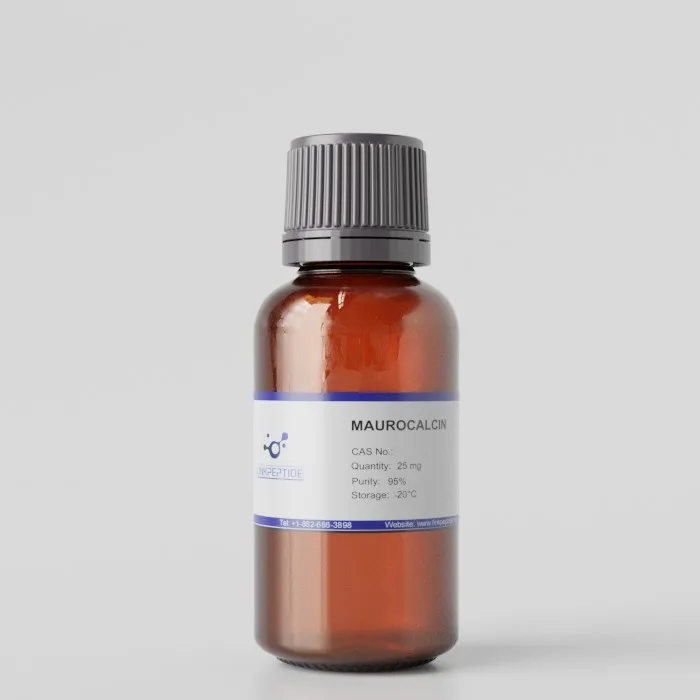
MAUROCALCIN

MAUROCALCIN

Add Inquiry
Pep1-AGL

Pep1-AGL

Add Inquiry
Pep1-TGL

Pep1-TGL

Add Inquiry
pep2-AVKI

pep2-AVKI

Add Inquiry
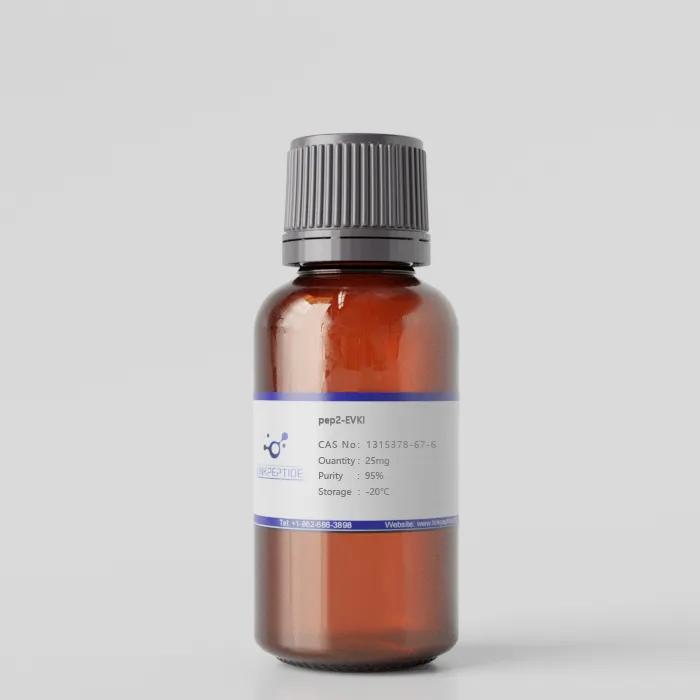
pep2-EVKI

pep2-EVKI

Add Inquiry
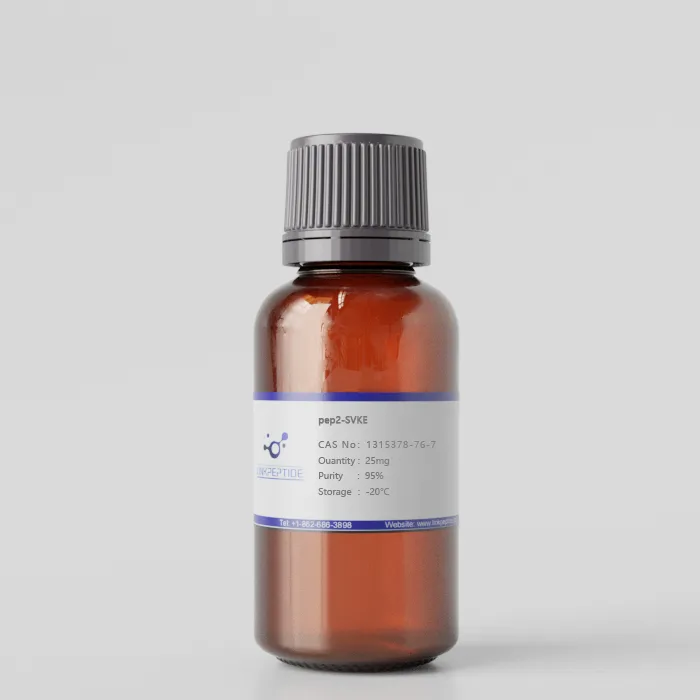
pep2-SVKE

pep2-SVKE

Add Inquiry
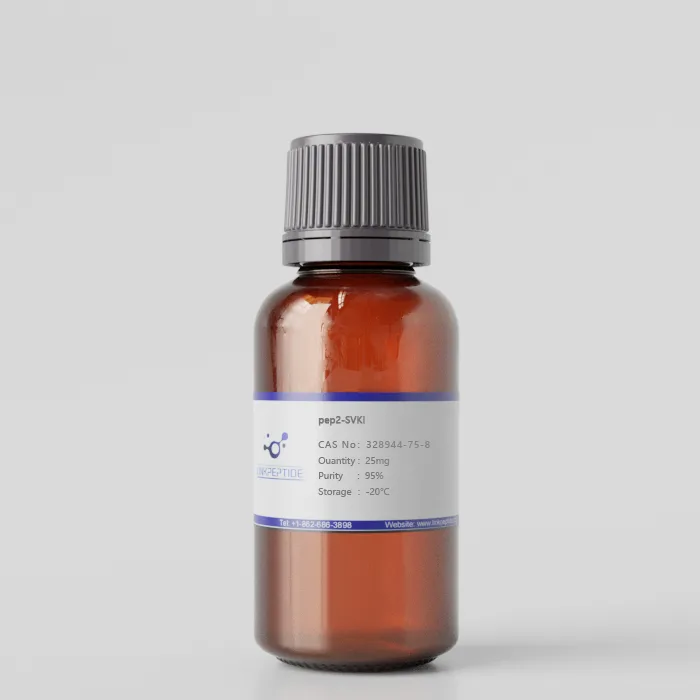
pep2-SVKI

pep2-SVKI

Add Inquiry
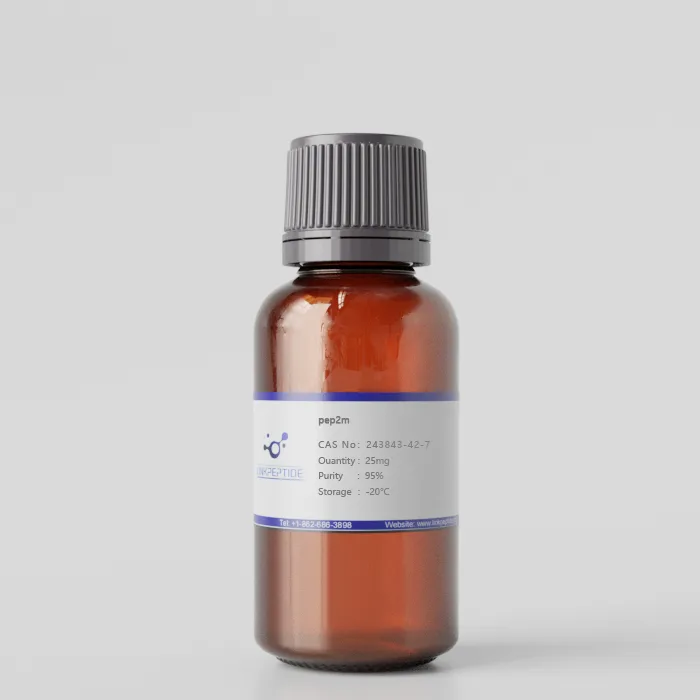
pep2m

pep2m

Add Inquiry
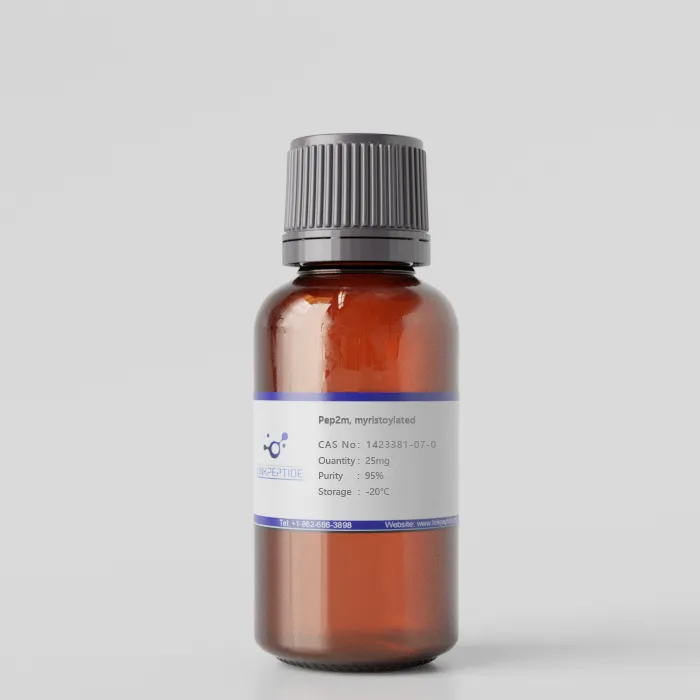
Pep2m, myristoylated
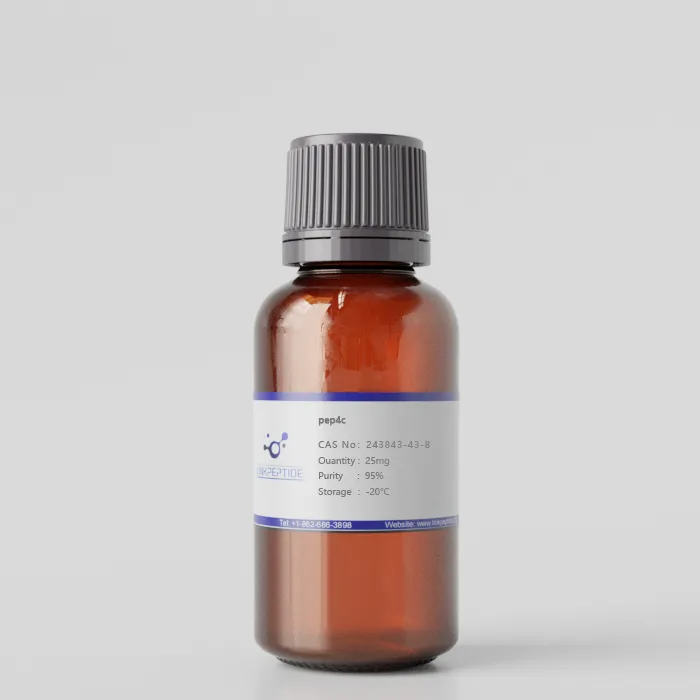
pep4c

pep4c

Add Inquiry
TAT-cyclo-CLLFVY

What Are Amphipathic Cell-Penetrating Peptides?

Amphipathic CPPs are peptides that contain both hydrophilic (water-attracting) and hydrophobic (lipid-interacting) regions within their structure. This amphipathic nature allows them to interact strongly with lipid bilayers, enhancing their ability to penetrate cell membranes. Unlike purely cationic CPPs, amphipathic peptides rely on structural organization—often forming α-helices or β-sheets—to align hydrophobic residues with the membrane interior and hydrophilic residues with the aqueous environment. Key characteristics include:
  • Dual hydrophilic–hydrophobic structure
  • Strong membrane affinity and insertion capability
  • Enhanced cellular uptake efficiency
  • Ability to deliver diverse cargo types
These features make amphipathic CPPs particularly effective in challenging delivery scenarios.

Key Types of Amphipathic CPPs

This category includes several structurally and functionally important peptide groups :

Primary Amphipathic CPPs

These peptides naturally possess amphipathic structures, often forming α-helical conformations that facilitate membrane interaction. Key features:
  • Intrinsic amphipathic sequence design
  • Strong membrane binding and insertion
  • Efficient cellular uptake
Applications:
  • Drug delivery systems
  • Peptide and protein transport
  • Cellular uptake studies

Secondary Amphipathic CPPs

These peptides acquire amphipathic properties upon interaction with membranes or through structural rearrangement. Key features:
  • Conformation-dependent amphipathicity
  • Flexible structure for different environments
  • Enhanced adaptability
Applications:
  • Dynamic delivery systems
  • Environment-responsive transport
  • Advanced formulation development

Chimeric Amphipathic CPPs

Chimeric CPPs are engineered by combining sequences from different peptide domains to optimize amphipathic properties and delivery performance. Key features:
  • Custom-designed sequences
  • Enhanced delivery efficiency
  • Tunable membrane interaction
Applications:
  • Targeted drug delivery
  • Gene therapy research
  • Nanocarrier systems

Mechanism of Membrane Interaction and Uptake

Amphipathic CPPs utilize multiple mechanisms for cellular entry: Membrane Binding and Insertion The hydrophobic regions of the peptide interact with the lipid bilayer, while hydrophilic regions remain exposed to the aqueous environment, promoting membrane association. Formation of Secondary Structures Amphipathic CPPs often adopt α-helical conformations upon membrane contact, enhancing penetration efficiency. Direct Translocation Some peptides penetrate membranes directly by transiently disrupting lipid organization. Endocytosis Pathways Amphipathic CPPs can also enter cells via endocytic mechanisms, including macropinocytosis and clathrin-mediated uptake. Cargo Delivery Mechanisms These peptides deliver cargo through:
  • Covalent conjugation
  • Non-covalent complex formation
  • Encapsulation in delivery systems

Applications in Research and Therapeutics

Amphipathic CPPs are widely used in: Drug Delivery Systems Enable efficient transport of therapeutic molecules across cellular membranes. Gene Therapy and Nucleic Acid Delivery Facilitate intracellular delivery of DNA, RNA, and gene-editing tools. Protein and Peptide Transport Allow delivery of functional biomolecules into cells without invasive methods. Cancer Research Support targeted delivery of anti-cancer agents and imaging probes. Nanotechnology and Biomaterials Used in nanoparticle-based delivery systems and advanced biomaterials.

Advantages of Amphipathic CPPs

Compared to other CPP classes:
  • Enhanced membrane interaction and penetration
  • Higher delivery efficiency for complex cargo
  • Structural flexibility and tunability
  • Broad applicability across cell types
  • Compatibility with advanced delivery systems
These advantages make amphipathic CPPs highly valuable in modern delivery research.

Why Choose Linkpeptide Amphipathic CPPs

  • High purity peptides with optimized amphipathic structures
  • Reliable batch consistency for reproducible results
  • Advanced peptide synthesis and modification capabilities
  • Broad selection of natural and engineered CPPs
  • Custom design for specific delivery applications

Custom Amphipathic CPP Design Services

At Linkpeptide, we provide tailored solutions for membrane-active peptide development:
  • Custom amphipathic sequence design
  • Optimization of hydrophobic/hydrophilic balance
  • Structural enhancement for improved uptake
  • Functional modifications (labeling, conjugation, cyclization)
  • Scale-up synthesis for research and preclinical applications
 

FAQ

What are amphipathic CPPs used for?

They are used to deliver molecules into cells by interacting efficiently with cell membranes.

How are amphipathic CPPs different from classical CPPs?

They rely on both hydrophobic and hydrophilic regions for membrane interaction, rather than mainly charge-based interactions.

Why are amphipathic peptides effective for delivery?

Their structure allows strong interaction with lipid membranes, enhancing cellular uptake.

Can amphipathic CPPs deliver large molecules?

Yes, they can deliver proteins, nucleic acids, and nanoparticles.

Does Linkpeptide offer custom amphipathic CPPs?

Yes, we provide tailored design and synthesis for specific delivery needs.
Add InquiryUp to 12 can be added

No products in the cart.