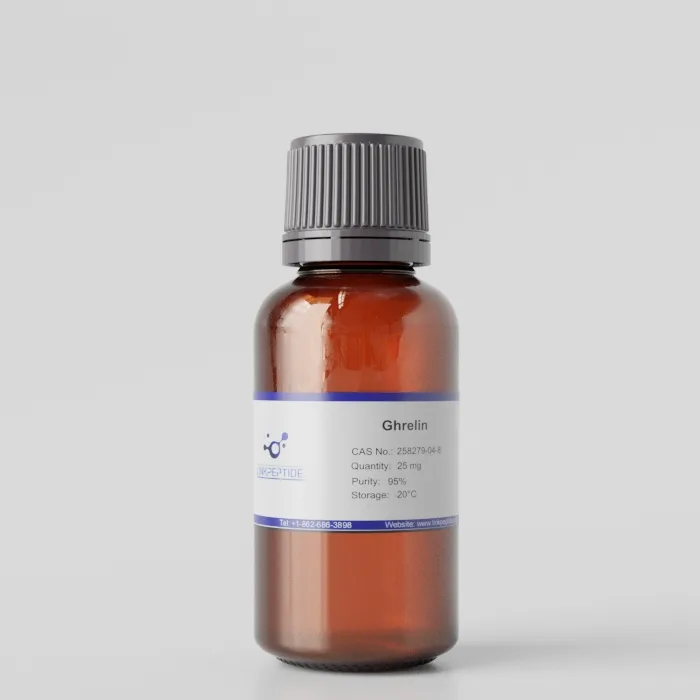
Product Name: Ghrelin
Form: Free base
CAS No: 258279-04-8
Molar Mass: 3370.9
Chemical Formula: C149H249N47O42
Storage: Store at -20℃
Sequence: GSSFLSPEHQRVQQRKESKKPPAKLQPR
Target: GLP-1 RA
Application:
Ghrelin (CAS: 258279-04-8) is a peptide hormone predominantly produced in the stomach and known for its role in regulating hunger and appetite. It functions by binding to specific receptors in the hypothalamus, initiating signaling cascades that stimulate appetite and food intake. Ghrelin levels typically increase before meals and decrease after eating, playing a key role in the body's hunger and satiety mechanisms. Additionally, ghrelin has been implicated in various physiological processes, including growth hormone release, energy homeostasis, glucose metabolism, and gastrointestinal motility. In pharmaceutical research, ghrelin and its analogs are being investigated as potential therapeutic targets for conditions such as obesity, cachexia, and eating disorders. Modulating ghrelin signaling may offer new strategies for managing appetite-related disorders and promoting healthy weight regulation.
Current Research:
Ghrelin is a peptide hormone primarily produced in the stomach and plays a key role in regulating appetite, energy balance, and growth hormone release. It is often referred to as the "hunger hormone" due to its ability to stimulate appetite and increase food intake. Ghrelin's diverse biological functions also extend to its involvement in metabolic regulation, including glucose metabolism and adiposity.
Mechanism of Action
Ghrelin exerts its effects by binding to the ghrelin receptor (GHS-R1a) in the brain and peripheral tissues. This binding activates signaling pathways that increase appetite, stimulate the release of growth hormone from the pituitary gland, and modulate glucose homeostasis. Ghrelin also influences the regulation of insulin and glucose levels, contributing to the body's overall metabolic balance. Additionally, ghrelin is involved in gastrointestinal motility and plays a role in regulating energy expenditure.
Clinical Research and Efficacy
Research into ghrelin has highlighted its potential therapeutic applications in a variety of conditions, including obesity, anorexia, and metabolic disorders. Ghrelin agonists have been explored for their ability to increase appetite in individuals with cachexia or weight loss disorders, while ghrelin antagonists are being studied for their potential to reduce appetite and promote weight loss in obesity treatment. Clinical trials investigating the role of ghrelin in metabolic regulation, weight management, and muscle wasting conditions continue to show promise, with ongoing studies assessing the long-term effects and safety of ghrelin-modulating therapies.
Regulatory Status and Potential Applications
Ghrelin's role in appetite regulation and metabolism has made it a target for drug development in various therapeutic areas. Ghrelin agonists are being explored for treating cachexia, anorexia, and certain forms of malnutrition, while ghrelin antagonists could offer a new approach to managing obesity and metabolic syndrome. Its ability to influence growth hormone release also positions ghrelin as a potential candidate in growth-related disorders and aging research.
Conclusion
Ghrelin is a critical regulator of appetite and metabolism, with potential therapeutic applications in a wide range of conditions, from obesity and metabolic syndrome to appetite-related disorders. Ongoing research into ghrelin's mechanisms of action and clinical benefits continues to highlight its promise in improving metabolic health and providing novel treatment options.
Reference:
Get a Quote
 LinkPeptide