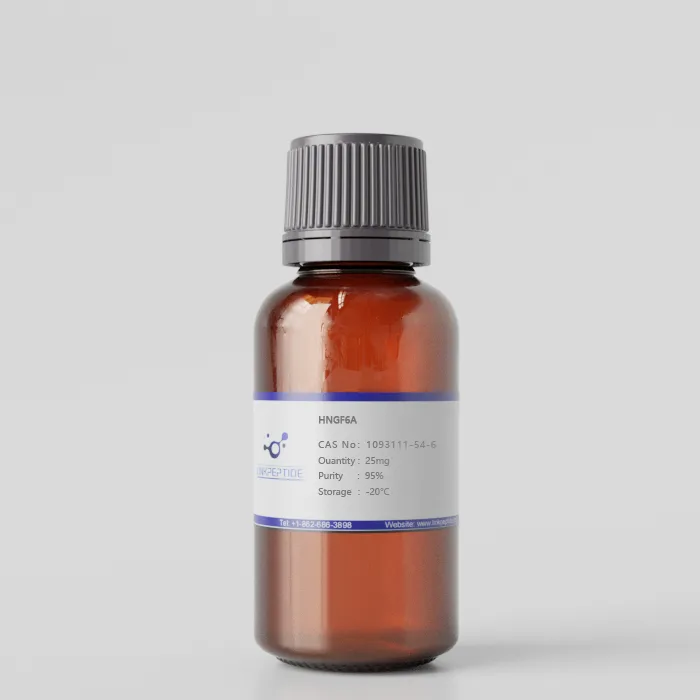
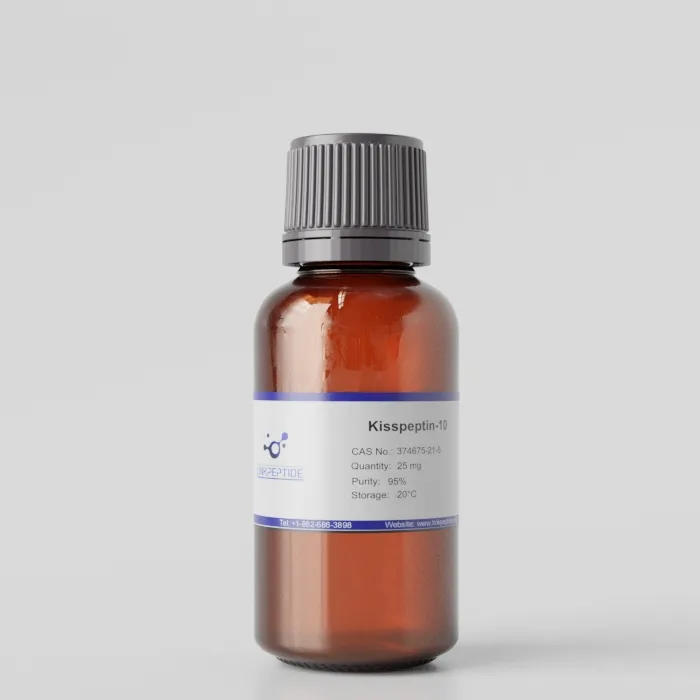
Product Name:HNGF6A
CAS No:1093111-54-6
Purity:95%
Molar Mass:2581.11
Chemical Formula:C112H198N34O31S2
Storage:Store at -20 degrees Celsius
Sequence:MAPRGASCLLLLTGEIDLPVKRRA
Target:ROS
Application:HNGF6A is related to ROS (Reactive Oxygen Species), which are chemically reactive molecules containing oxygen. ROS play a crucial role in various cellular processes, including signaling, homeostasis, and stress responses. HNGF6A may interact with ROS pathways, potentially influencing oxidative stress and its associated effects on cellular damage, repair, and apoptosis. The relationship between HNGF6A and ROS might be relevant in studies on oxidative stress-related diseases, where modulating ROS levels could offer therapeutic benefits, particularly in tissue repair or cancer contexts.
Current Research:
HNGF6A is an analog of Humanin (HN), a 24-amino acid peptide originally identified for its neuroprotective properties against Alzheimer's disease-related cytotoxicities. HNGF6A has been engineered to enhance the biological activity of HN, exhibiting increased potency in various physiological contexts.
Structural Characteristics
HNGF6A is a modified form of HN, designed to improve its stability and efficacy. The specific structural modifications contribute to its enhanced biological activity compared to the native peptide.
Mechanism of Action
HNGF6A exerts its effects by interacting with multiple cellular pathways:
Anti-Apoptotic Activity: HNGF6A inhibits apoptosis in osteoblasts by modulating the Circ_0001843/miR-214 pathway, leading to decreased phosphorylation of p38 and JNK, which are critical mediators of cell death under oxidative stress conditions.
Metabolic Regulation: HNGF6A enhances glucose-stimulated insulin secretion (GSIS) and improves glucose metabolism, making it a potential therapeutic agent for diabetes management.
Research Applications
Due to its potent biological activities, HNGF6A is utilized in various research areas:
Neuroprotection: Investigating its potential in protecting neuronal cells from stress-induced damage, relevant to neurodegenerative diseases.
Bone Health: Studying its role in promoting osteoblast survival and differentiation, which could have implications for osteoporosis treatment.
Metabolic Disorders: Exploring its effects on insulin secretion and glucose metabolism for potential diabetes therapies.
Conclusion
HNGF6A represents a significant advancement in peptide-based therapeutics, offering enhanced efficacy over native Humanin. Its multifaceted biological activities make it a promising candidate for developing treatments for neurodegenerative diseases, metabolic disorders, and conditions involving oxidative stress-induced cellular damage.
Reference:
Get a Quote
 LinkPeptide