 LinkPeptide
From Lab to Luxury: The Rise of Peptides in Anti-Aging and Skin Health
Blog 180
Abstract
Peptides have emerged as one of the most exciting frontiers in modern skincare. Originally developed as powerful tools in medicine, these short chains of amino acids are now redefining beauty by offering precise, science-backed solutions to common skin concerns. From their early role in life-saving therapies like insulin to their current presence in creams and serums, peptides illustrate the remarkable crossover between pharmaceuticals and cosmetics. Advances in synthesis methods and molecular modifications have made it possible to produce stable, effective peptides tailored for skin health. Today, they function as anti-aging allies, skin-brightening agents, moisture boosters, repair enhancers, and natural defenders against microbes. While challenges remain in stability, delivery, and cost, regulatory frameworks and innovative technologies are paving the way for safer and more effective peptide-based products. With global demand rising, peptides represent the future of skincare: precise, sustainable, and transformative.
Introduction: Tiny Chains, Big Impact
Peptides may be small, but they carry big influence. These short chains of amino acids act as messengers in the body, directing cells to repair tissue, regulate hormones, or defend against stress. For decades, they have been at the heart of some of medicine’s greatest breakthroughs, from life-saving insulin therapy to modern drugs that treat cancer, diabetes, and heart disease.
What’s remarkable is how this pharmaceutical know-how has spilled into beauty. The very same features that make peptides powerful in medicine—their precision, safety, and ability to mimic natural signals—also make them ideal for skincare. Today, peptides are found in creams and serums that claim to smooth wrinkles, brighten dullness, repair damage, and hydrate deeply.
Consumers are increasingly drawn to skincare that feels both advanced and trustworthy. And peptides deliver just that: ingredients born from science but designed for everyday beauty routines. With global demand for peptide-based cosmetics on the rise, these molecules are poised to redefine the future of skincare—bridging the once-wide gap between medicine and beauty with targeted, effective solutions.
From Discovery to Beauty: A Century of Peptides
The story of peptides began in 1901, when chemists first managed to link two amino acids into the simplest possible chain. That modest success sparked a century of breakthroughs, proving that peptides could be built, studied, and eventually shaped into powerful tools for human health.
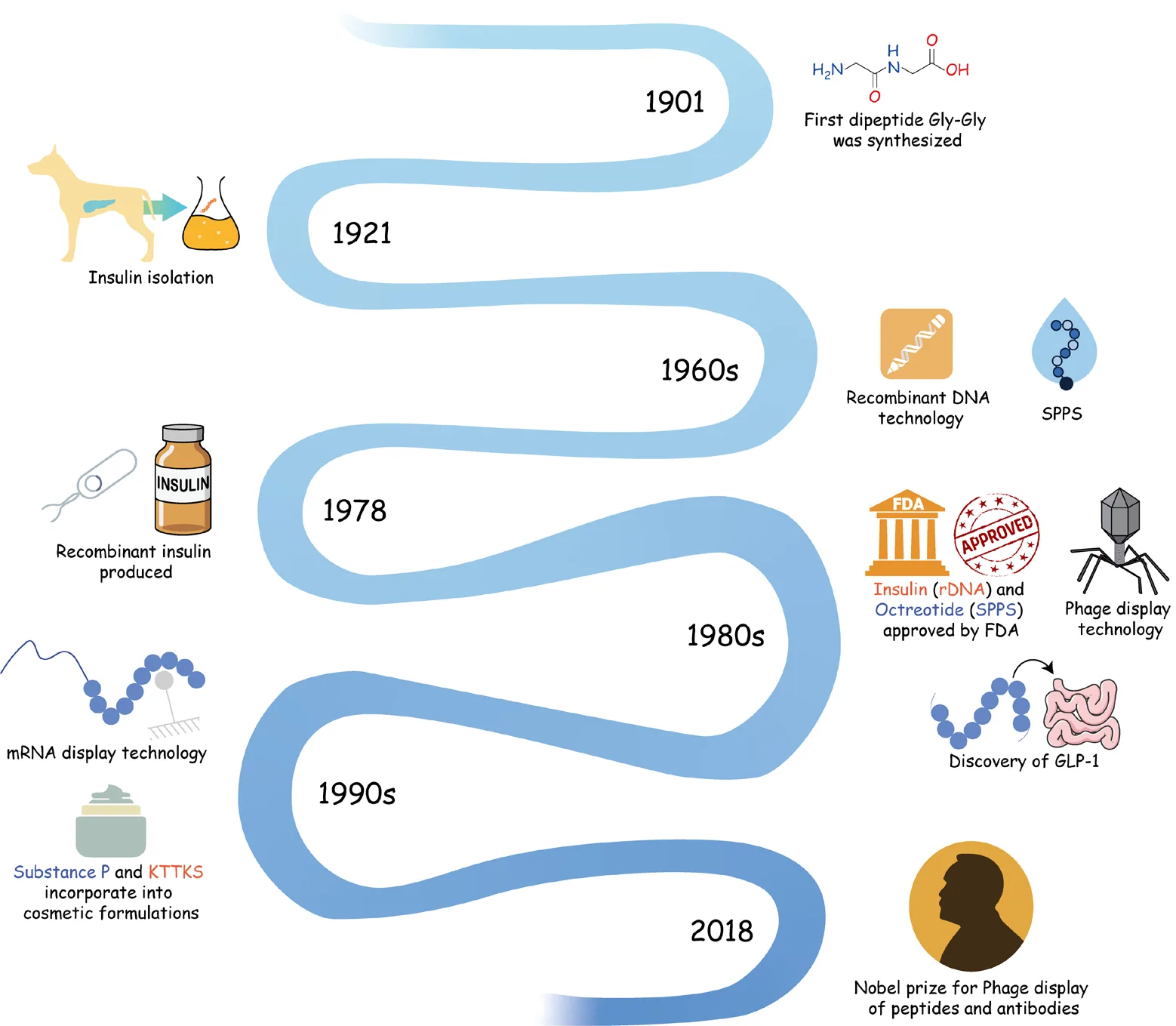
In 1921, the discovery of insulin transformed diabetes treatment and established peptides as life-saving medicines. By the 1960s, a new method called solid-phase peptide synthesis (SPPS) revolutionized the field. For the first time, peptides could be assembled quickly and efficiently, like snapping Lego bricks into place. Soon after, genetic engineering allowed scientists to program microbes to produce complex peptides such as recombinant insulin, opening the door to large-scale, precisely designed drugs.
As peptide-based medicines gained approvals in the 1980s, a fascinating shift began. Researchers realized that many of the same molecules used to treat disease could also improve skin health. By the early 1990s, the collagen fragment KTTKS was identified for its ability to boost collagen production and quickly became a cornerstone of anti-aging skincare. Around the same time, substance P antagonists found their way into products designed to calm sensitive or stressed skin.
From the first lab experiments to today’s skincare shelves, peptides have traveled a long path. What started as medical milestones now powers everyday beauty routines—proof that science and self-care are more connected than ever.
How Science Builds Beauty: Modern Peptide Synthesis
For peptides to move from research labs into everyday skincare jars, one big challenge had to be solved: how to make them efficiently, safely, and at scale. Over the years, scientists have developed several methods to build peptides, each refining the process and pushing the industry forward.
The earliest approach, classical solution synthesis, allowed careful step-by-step assembly, but it was slow and suited only for short chains. The breakthrough came with solid-phase peptide synthesis (SPPS) in the 1960s, which revolutionized the field by anchoring peptides to a resin bead during construction. This not only simplified the process but also enabled automation, making larger, more complex peptides possible. Later, liquid-phase peptide synthesis (LPPS) introduced greener and more scalable techniques, reducing solvent use and waste while supporting industrial production.
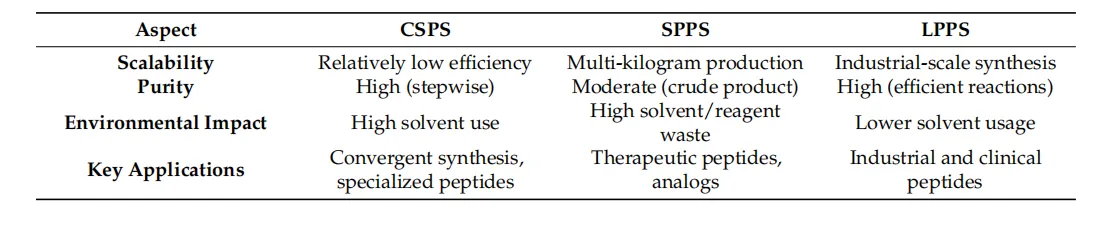
Beyond chemistry, new technologies have expanded possibilities even further. Enzymatic synthesis uses natural catalysts to build peptides under gentle conditions, while recombinant DNA technology programs microbes to produce peptides just as they do in medicine. These methods not only improve efficiency but also align with today’s sustainability goals.
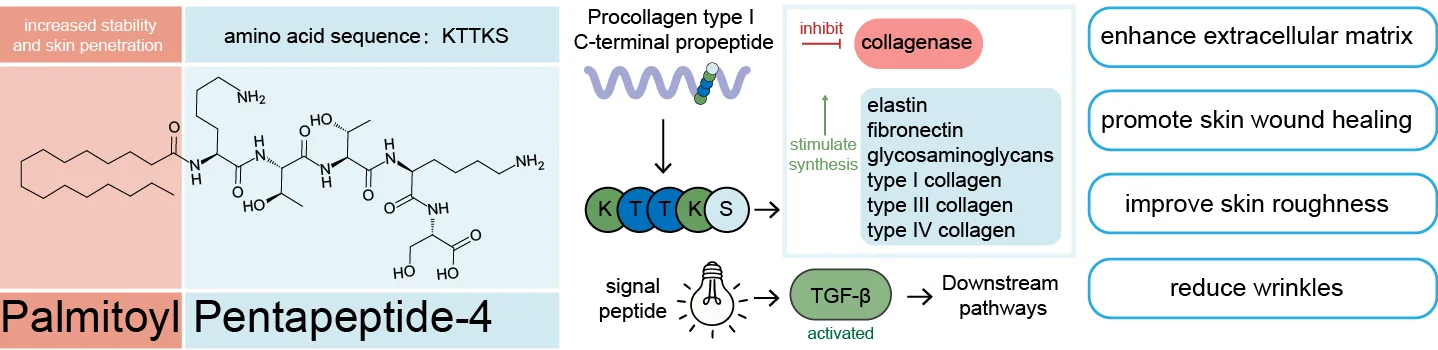
Another key step has been peptide modification—tweaks like adding fatty acid chains to improve skin penetration or stabilizing the sequence to resist breakdown. For example, the collagen-boosting Pal-KTTKS peptide becomes far more effective once a lipid tail is attached, helping it slip through the skin barrier.
Together, these innovations have made it possible to produce cosmetic peptides with both scientific precision and commercial practicality. Behind every anti-aging cream or brightening serum on the shelf lies decades of chemical ingenuity, ensuring these tiny chains of amino acids deliver visible results with the reliability consumers expect.
The Many Faces of Peptides: Anti-Aging, Brightening, Repair, and More
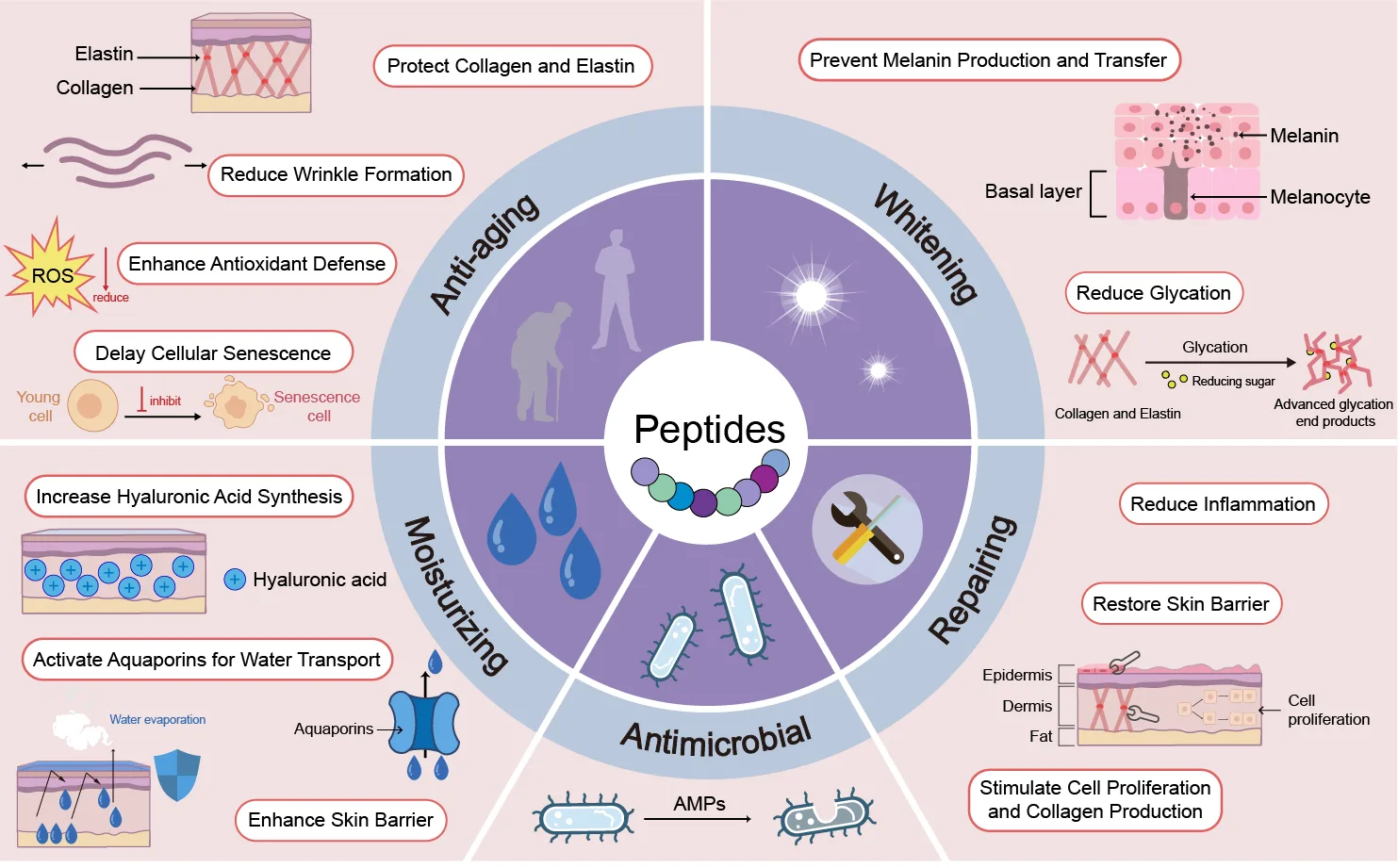
What makes peptides so exciting in skincare is their versatility. These tiny molecules can send precise biological signals, nudging skin cells to perform tasks that counteract aging, damage, or imbalance. Depending on their sequence, peptides can smooth wrinkles, brighten dullness, hydrate, repair, or even defend against microbes.
Anti-Aging Allies
One of the best-known categories is anti-aging peptides. Some, like Palmitoyl Pentapeptide-4 (Pal-KTTKS), act as “signal peptides” that tell fibroblasts to produce more collagen and elastin, restoring firmness and reducing fine lines. Others work more like Botox alternatives. Acetyl Hexapeptide-8 (Argireline®) interrupts nerve signals that cause facial muscle contractions, softening expression lines without injections. Still others, such as carnosine and glutathione, provide antioxidant protection, shielding skin from oxidative stress and slowing visible aging.
Skin-Brightening Agents
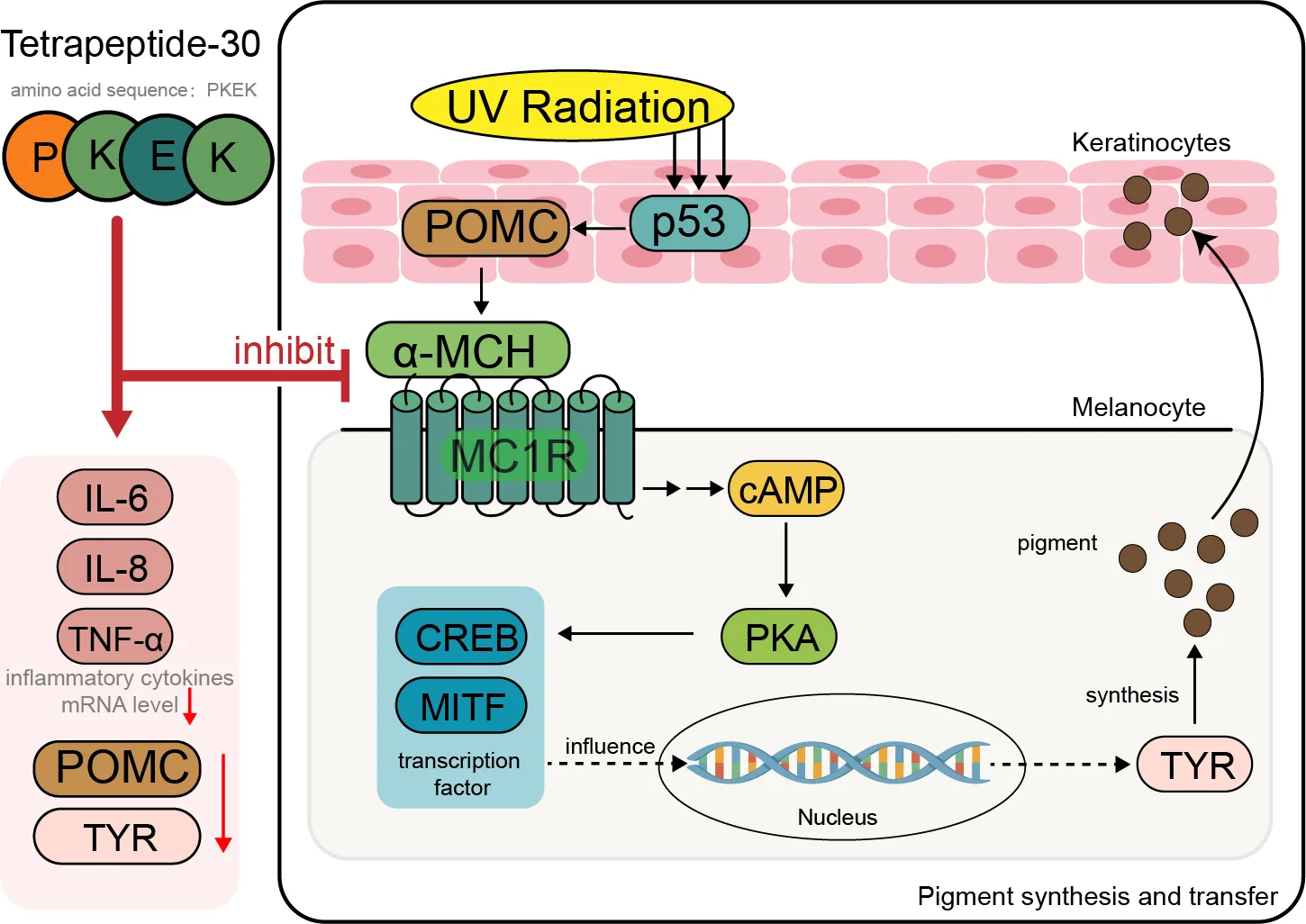
Peptides also bring a gentler touch to skin lightening. Traditional agents like hydroquinone often cause irritation, but Tetrapeptide-30 and Hexapeptide-2 block the pathways that stimulate melanin production, leading to more even skin tone without harsh side effects. Antioxidant peptides like glutathione contribute by reducing oxidative triggers of pigmentation.
Moisture Boosters
Healthy skin depends on hydration, and peptides can help here, too. Certain sequences stimulate the production of hyaluronic acid, the molecule responsible for skin’s plumpness and elasticity. Others activate aquaporins, the water channels in skin cells, ensuring better moisture flow across layers and reducing dryness.
Repair and Renewal
When skin is stressed, injured, or inflamed, repair peptides step in. Tripeptide-1 and Tetrapeptide-7 stimulate new collagen and elastin, accelerate cell turnover, and calm inflammatory responses. Copper peptides (GHK-Cu) go even further, delivering bioavailable copper that activates repair genes, boosts tissue regeneration, and strengthens the skin barrier.
Natural Defenders
Finally, antimicrobial peptides offer protection against unwanted microbes on the skin’s surface. By disrupting bacterial membranes or modulating immune responses, they help prevent breakouts, soothe irritation, and maintain a healthy microbiome. These properties are especially valuable in products for acne-prone or sensitive skin.
Peptides aren’t one-size-fits-all. Instead, they form a toolbox where each type plays a distinct role—whether it’s smoothing wrinkles, brightening tone, or speeding repair. This precision is what sets them apart from more generic cosmetic ingredients, offering results that feel targeted and scientific while still gentle enough for daily use.
Beyond Today: Challenges, Rules, and the Future of Peptide Skincare
Despite their promise, peptides in skincare face hurdles. One of the biggest is stability—many peptides are fragile, breaking down before they can do their job. Another challenge is skin penetration. A peptide must travel past the skin’s natural barrier to reach the cells it needs to activate. To overcome this, scientists are experimenting with lipid tails, encapsulation systems, and even nanocarriers that ferry peptides deeper into the skin. Cost is also a factor: producing peptides with pharmaceutical precision can be expensive, limiting widespread use.
Regulation plays a key role in ensuring both safety and trust. In the United States, the Modernization of Cosmetics Regulation Act (MoCRA) now requires companies to demonstrate safety, assess stability, and register their facilities. In Europe, Regulation (EC) No 1223/2009 demands rigorous testing of cosmetic peptides for toxicity and allergenicity, along with transparent labeling. These frameworks raise the bar for quality, ensuring that products containing peptides are both effective and safe for consumers.
Looking forward, the future is bright. Advances in AI-driven peptide design promise tailor-made sequences with optimized benefits. Green chemistry approaches are making production more sustainable, while cross-pollination from pharmaceutical research continues to spark new ideas. And with booming consumer demand—especially in Asia—peptides are well on their way to becoming staples of modern skincare.
Peptides began as medical miracles. Today, they stand at the center of a new era in beauty: science-backed, precise, and transformative.
Reference
Tang, Y., Nie, T., Zhang, L., Liu, X., & Deng, H. (2025). Peptides in Cosmetics: From Pharmaceutical Breakthroughs to Skincare Innovations. Cosmetics, 12(3), 107.
https://doi.org/10.3390/cosmetics12030107
Erak, M., Bellmann-Sickert, K., Els-Heindl, S., & Beck-Sickinger, A. G. (2018). Peptide chemistry toolbox–Transforming natural peptides into peptide therapeutics. Bioorganic & medicinal chemistry, 26(10), 2759-2765.
https://doi.org/10.1016/j.bmc.2018.01.012
Sharma, A., Kumar, A., De La Torre, B. G., & Albericio, F. (2022). Liquid-phase peptide synthesis (LPPS): a third wave for the preparation of peptides. Chemical Reviews, 122(16), 13516-13546.
https://doi.org/10.1021/acs.chemrev.2c00132
Akbarian, M., Khani, A., Eghbalpour, S., & Uversky, V. N. (2022). Bioactive peptides: Synthesis, sources, applications, and proposed mechanisms of action. International journal of molecular sciences, 23(3), 1445.