 LinkPeptide
Peptide Power: The Future of Precision Medicine Starts Here
Blog 228
Abstract
Peptide-based therapeutics are emerging as powerful tools across a wide range of medical fields, including metabolic disease, cancer, and infectious disease. Once limited by poor stability and challenging delivery, modern peptides are now benefiting from advanced engineering, smart delivery platforms, and precision targeting strategies. This blog explores how structural modifications, such as cyclization and backbone substitution, are improving peptide stability and bioavailability. It also highlights innovative delivery systems—from oral formulations to nanocarriers and cell-penetrating peptides—that are expanding clinical applications. By examining landmark drugs like semaglutide and tirzepatide, as well as peptide-drug conjugates in cancer therapy, we uncover how peptides are addressing previously untreatable conditions. With artificial intelligence accelerating design and new combinations with gene and immunotherapy, peptides are rapidly evolving from niche molecules into essential components of future medicine. This article provides a clear, engaging overview of the peptide drug revolution—and where it’s headed next.
From Hormones to Healing: The Rise of Peptide Therapeutics
Peptides have come a long way since insulin first transformed diabetes care over a century ago. Once considered niche tools in medicine, these short chains of amino acids are now leading a revolution across diverse fields—from diabetes and obesity to cancer, cardiovascular disease, and even vaccines.
What’s driving this momentum? Powerful advances in peptide design, chemical synthesis, delivery systems, and artificial intelligence are rapidly expanding what peptides can do. Today’s peptides are smarter, more stable, and more precise—capable of targeting specific tissues, slipping past biological barriers, and working inside cells where many drugs cannot reach.
But challenges remain. Peptides are often unstable in the body and quickly broken down, making oral delivery difficult and injections frequent. Even so, researchers are overcoming these hurdles with innovative strategies that are redefining the limits of what peptides can achieve.
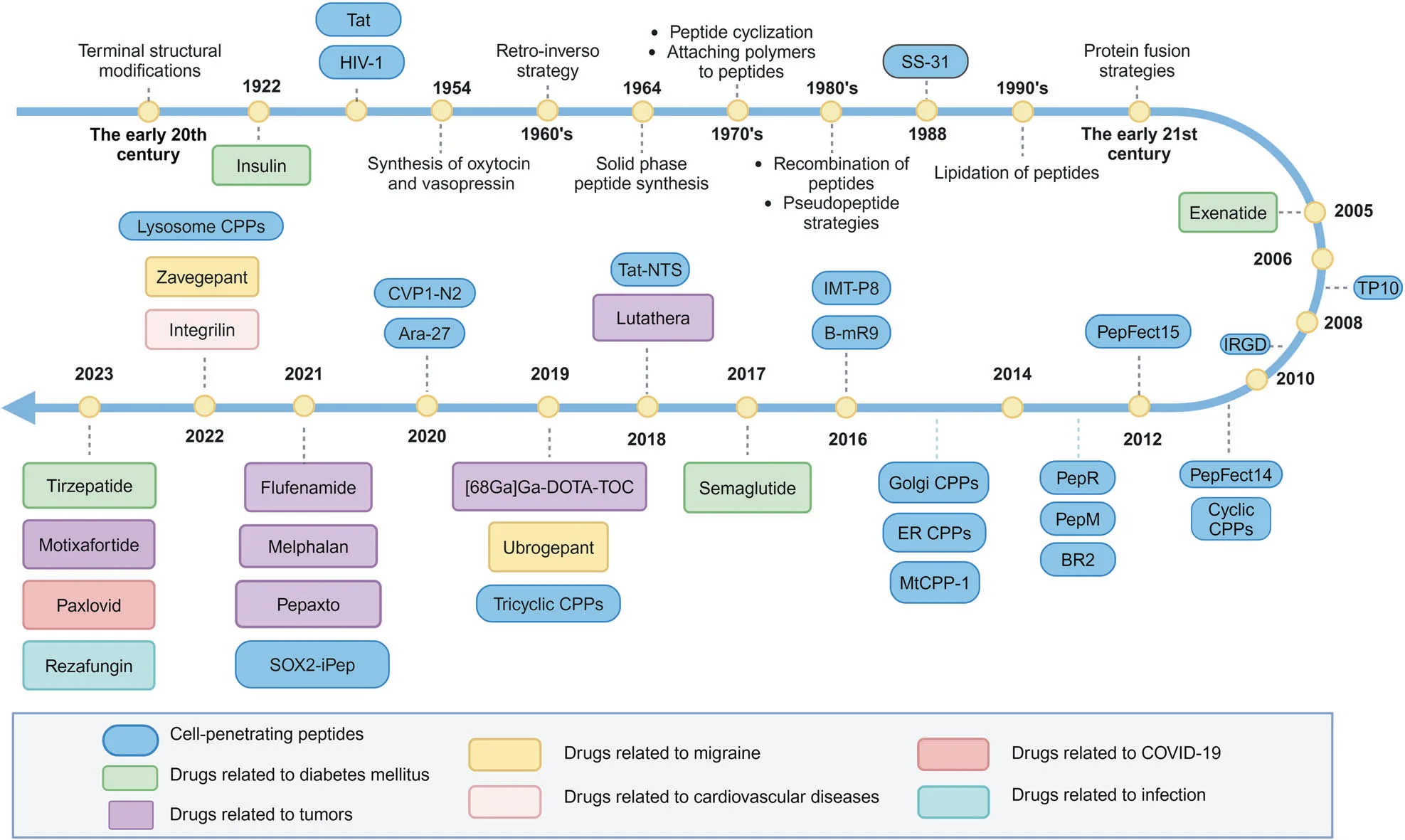
In this blog, we’ll explore how modern science is reshaping peptide-based drugs—unlocking their full potential and ushering in a new era of safe, targeted, and transformative therapies.
Why Peptides Matter: Power, Precision, and Pitfalls
Peptides sit in a unique space between traditional small-molecule drugs and large biologics like antibodies. They’re large enough to interact with complex biological targets, yet small enough to penetrate tissues more easily. This balance gives peptides a powerful advantage in therapeutic design.
One of the biggest strengths of peptides is their target specificity. Many peptides mimic the body’s natural signaling molecules—like hormones or neurotransmitters—so they can bind to receptors with precision, reducing off-target side effects. They’re also less likely to trigger immune reactions, making them safer for long-term use. And compared to biologics, peptides are easier and cheaper to manufacture, thanks to established chemical synthesis methods like solid-phase peptide synthesis (SPPS).
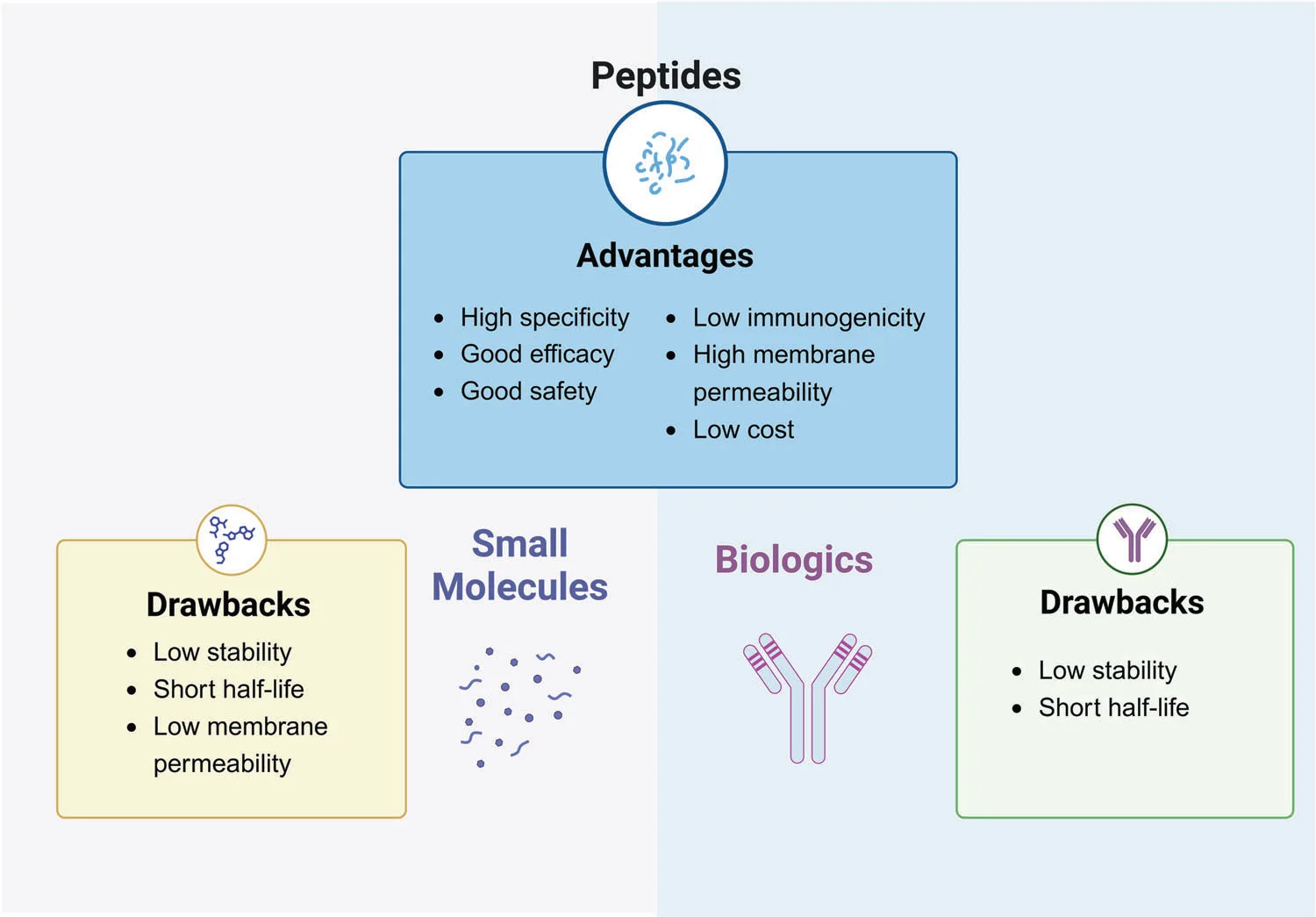
However, peptides come with challenges. Their structure makes them vulnerable to enzymes in the digestive tract, leading to rapid degradation and short half-lives in the body. Most peptide drugs must be injected because they aren’t stable or absorbable enough for oral delivery. This can limit patient convenience and compliance.
Another hurdle is their limited ability to cross cell membranes, which restricts their use in targeting intracellular pathways—where many disease processes begin.
Fortunately, advances in chemistry and delivery technology are rapidly closing these gaps. New formulations, modifications, and delivery routes are improving peptide stability, absorption, and targeting capabilities.
Peptides are no longer just biologically interesting—they’re becoming therapeutically essential, with growing roles in some of medicine’s toughest challenges.
Engineering Resilience: How Scientists Build Smarter Peptides
Peptides hold immense therapeutic promise—but only if they can survive long enough in the body to do their job. That’s why modern peptide development relies heavily on structural engineering—a set of techniques designed to boost their stability, potency, and bioavailability.
One key strategy is backbone modification, where scientists replace natural amino acids with synthetic ones like D-amino acids or peptoids. These tweaks protect peptides from enzymatic breakdown, dramatically extending their half-life in the bloodstream. Other approaches use retro-inverso peptides, which reverse the sequence and orientation of amino acids to resist degradation while preserving biological activity.
Cyclization—turning linear peptides into ring-like structures—is another powerful tactic. Cyclic peptides are not only more stable but often more effective at binding to their targets. In fact, some of today’s most promising oral peptide drugs, like MK-0616 (a PCSK9 inhibitor in Phase 3 trials), owe their success to clever cyclization.
Modifying side chains or termini (ends of the peptide chain) can also fine-tune how peptides interact with receptors or avoid clearance by the kidneys. Techniques like PEGylation (adding polyethylene glycol) or lipidation (adding fatty acids) can make peptides more soluble, less immunogenic, and longer-lasting in the body.
Even more exciting are multi-functional conjugates—peptides linked to polymers, nanoparticles, or even imaging agents for combined diagnostic and therapeutic use.
These innovations aren’t just theoretical—they’re already powering blockbuster drugs. Take semaglutide, the active ingredient in Ozempic and Rybelsus: its success hinges on amino acid substitutions and a fatty acid chain that dramatically improves its stability and weekly dosing profile.
As structural design tools become more precise, peptide drugs are entering a new phase—one where biology and chemistry converge to create more durable, effective, and patient-friendly therapies.
Beyond the Needle: Modern Delivery Systems for Peptides
Even the most well-designed peptide won’t succeed if it can’t reach its target effectively. That’s why drug delivery is one of the most rapidly evolving areas in peptide-based therapeutics. Scientists are now developing smarter ways to get peptides where they’re needed—without relying solely on painful and frequent injections.
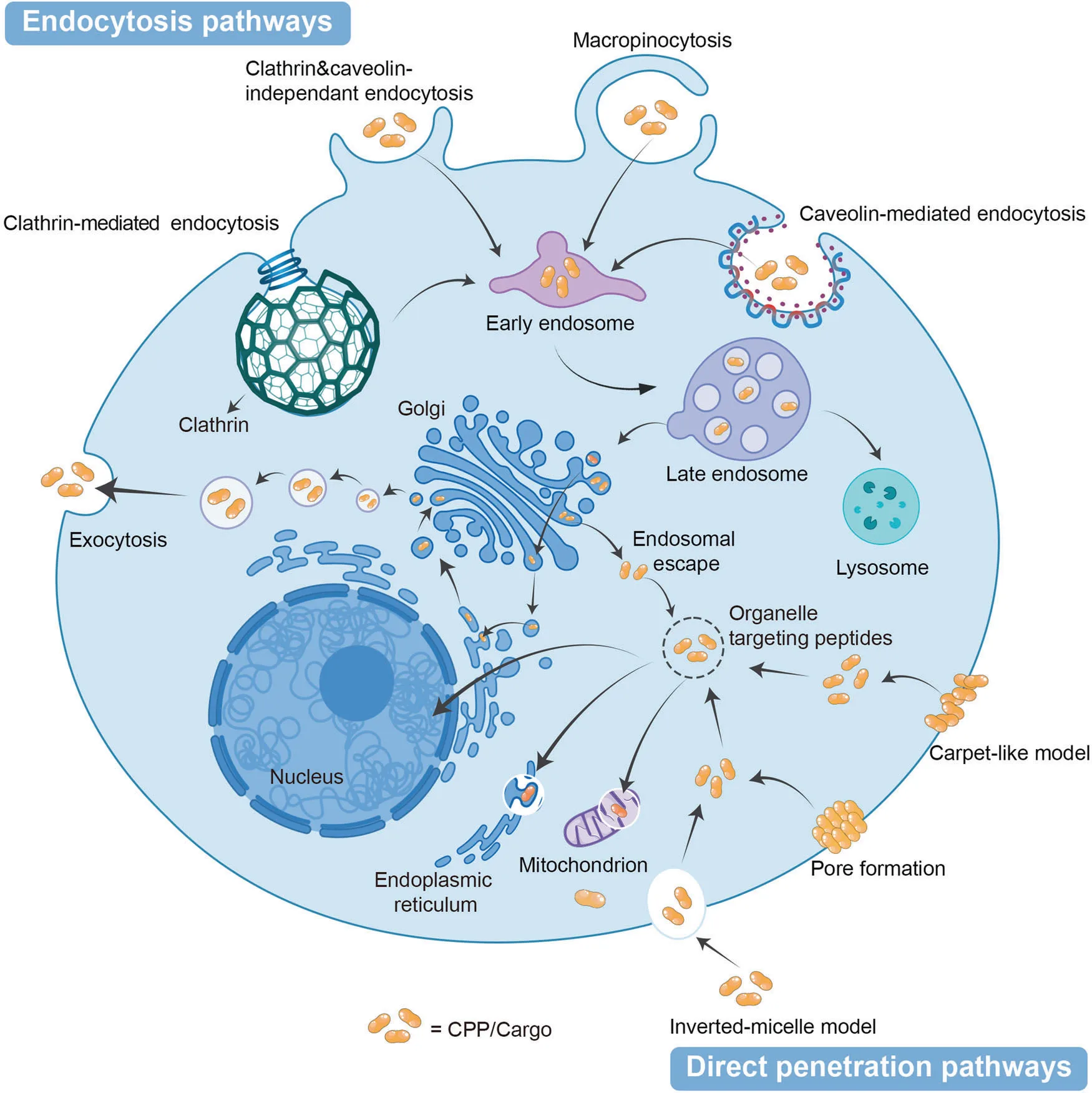
Traditionally, most peptide drugs are delivered via subcutaneous injection because the gastrointestinal tract rapidly breaks them down. But emerging delivery platforms are changing that. The approval of oral semaglutide (Rybelsus) marked a turning point, showing that it’s possible to design peptides that survive digestion and enter the bloodstream effectively.
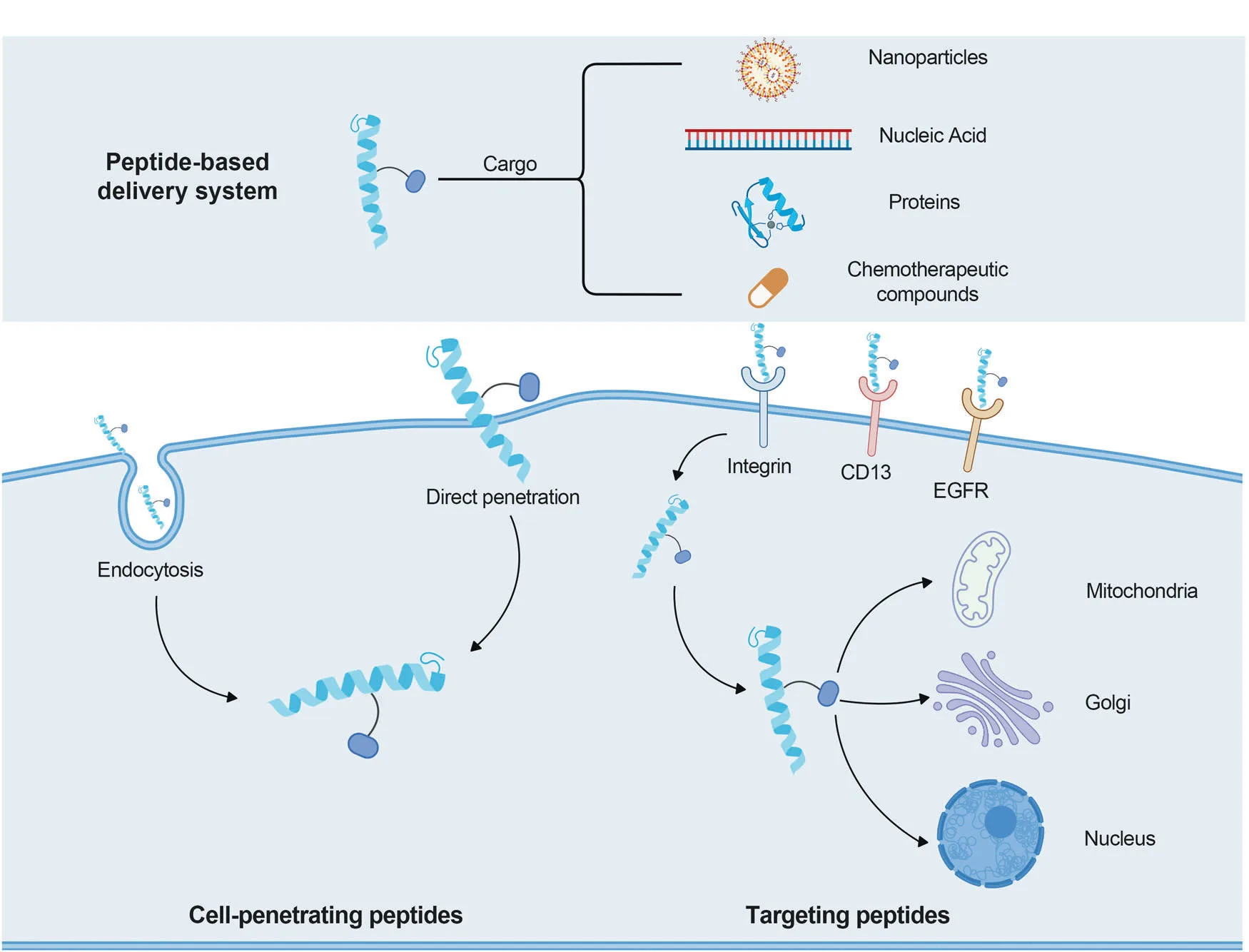
Other cutting-edge strategies include transdermal patches, intranasal sprays, eye drops, and even transmucosal systems, which offer painless alternatives that bypass digestive enzymes and improve patient compliance.
One of the most promising developments is the use of CPPs (cell-penetrating peptides). These short sequences act like molecular “passkeys,” helping cargo—like drugs or nucleic acids—slip across cell membranes and even target intracellular compartments. CPPs like TAT or iRGD are already being tested in clinical trials for cancer, cardiovascular diseases, and neurological disorders.
Another frontier is nanocarrier-based delivery. Here, peptides are packaged in microscopic carriers like liposomes, micelles, or polymer nanoparticles. These protect the drug from degradation, enhance targeting, and allow for controlled release at the disease site. Some systems even respond to local conditions—like acidity or enzymes—to release their payload precisely when and where it’s needed.
Together, these delivery innovations are transforming how peptide drugs are administered—making them not only more effective, but also more comfortable and accessible for patients around the world.
Peptide Power in Action: Breakthroughs in Diabetes and Cancer
Peptides are at the forefront of two of the world’s most pressing health challenges: metabolic disease and cancer. From managing blood sugar to targeting tumors, they’re transforming what’s possible in precision therapy.
Peptides and Metabolic Disease: The GLP-1 Revolution
Type 2 diabetes (T2DM) affects over 500 million people worldwide, and obesity often goes hand in hand. Peptides that mimic glucagon-like peptide-1 (GLP-1) have become a game changer in this space.
Drugs like semaglutide (Ozempic®, Rybelsus®) and dulaglutide (Trulicity®) not only lower blood sugar but also promote significant weight loss. Their success lies in both structural modification and advanced delivery—semaglutide, for example, is designed to resist enzymatic breakdown and requires only once-weekly dosing.
More recently, tirzepatide (Mounjaro®/Zepbound®), a dual agonist that activates both GIP and GLP-1 receptors, has shown even greater metabolic effects. And next-generation candidates like retatrutide, which targets three receptors (GLP-1, GIP, and glucagon), are pushing boundaries even further.
These drugs do more than treat symptoms—they’re reshaping the underlying biology of diabetes, obesity, and even cardiovascular risk. Clinical trials are now exploring their use in Alzheimer’s, liver disease, and muscle wasting, expanding their impact far beyond glucose control.
Peptides in Cancer: Precision Without the Collateral Damage
Cancer therapy is another area where peptides are making waves. Traditional treatments like chemotherapy often damage healthy cells along with tumors. Peptides offer a more targeted approach.
Peptide-drug conjugates (PDCs) are one such innovation. These pair a cell-targeting peptide with a cytotoxic drug, delivering it directly to cancer cells. Examples include Lutathera (for neuroendocrine tumors) and HYD-PEP06 (in clinical trials for liver and colorectal cancers).
Some peptides, like anti-cancer peptides (ACPs), can disrupt tumor membranes or trigger immune responses directly. They’re often effective even against drug-resistant tumors.
In both fields, peptides are proving not only powerful—but precise, adaptable, and ready to tackle diseases long thought intractable.
The Road Ahead: How Peptides Are Shaping the Future of Medicine
As science continues to refine what peptides can do, the future of peptide-based medicine looks more promising than ever. With over 200 peptide vaccines and dozens of innovative therapeutics in clinical trials, we are witnessing a transition from niche applications to mainstream, multi-indication tools in healthcare.
The next generation of peptide drugs will be shaped by powerful technologies. Artificial intelligence and machine learning are now being used to design peptides with optimized stability, target affinity, and tissue specificity. These tools can predict how peptides will behave in the body—speeding up development and reducing trial-and-error in the lab.
We’re also seeing exciting convergence with gene therapy, immunotherapy, and diagnostics. Peptides can serve as delivery vectors for nucleic acids, modulators of immune pathways, or imaging agents for detecting disease early and accurately.
However, challenges remain. Oral delivery is still limited, large-scale manufacturing can be costly, and some peptides still face rapid degradation in complex environments. But with continuous breakthroughs in materials science, nanotechnology, and molecular design, these barriers are steadily being dismantled.
Peptides are no longer just molecules of interest—they are emerging as cornerstones of modern medicine. As we move into this new era, one thing is clear: the story of peptides is only beginning, and their potential is just starting to unfold.
Reference
Xiao, W., Jiang, W., Chen, Z., Huang, Y., Mao, J., Zheng, W., … & Shi, J. (2025). Advance in peptide-based drug development: delivery platforms, therapeutics and vaccines. Signal Transduction and Targeted Therapy, 10(1), 74.
https://doi.org/10.1038/s41392-024-02107-5
Wang, L., Wang, N., Zhang, W., Cheng, X., Yan, Z., Shao, G., … & Fu, C. (2022). Therapeutic peptides: current applications and future directions. Signal transduction and targeted therapy, 7(1), 48.
https://doi.org/10.1038/s41392-022-00904-4
Tonin, G., & Klen, J. (2023). Eptifibatide, an older therapeutic peptide with new indications: from clinical pharmacology to everyday clinical practice. International Journal of Molecular Sciences, 24(6), 5446.
https://doi.org/10.3390/ijms24065446
Henninot, A., Collins, J. C., & Nuss, J. M. (2018). The current state of peptide drug discovery: back to the future?. Journal of medicinal chemistry, 61(4), 1382-1414.