 LinkPeptide
Science-Backed Skincare: Peptides, Biotics, and Marine Biopolymers Redefining Cosmeceuticals
Blog 227
Abstract
Cosmeceuticals are transforming the skincare industry by bridging the gap between cosmetics and pharmaceuticals. Unlike traditional beauty products that focus only on appearance, cosmeceuticals incorporate bioactive ingredients that interact with skin biology to deliver measurable benefits. This article explores three leading classes of cosmeceutical innovations: peptides, biotics, and marine biopolymers. Peptides act as precise molecular messengers, stimulating collagen, repairing skin, and reducing wrinkles through targeted pathways. Biotics—including probiotics, prebiotics, and postbiotics—restore balance to the skin microbiome, strengthen the barrier, and support hydration and resilience. Marine biopolymers, such as polysaccharides, chitosan, and marine collagen, bring natural hydration, antimicrobial protection, and tissue regeneration, while also highlighting the importance of sustainable sourcing. The article also addresses challenges in formulation, stability, and regulation, while pointing to future trends such as green extraction, nanotechnology, and personalized skincare. Together, these advances position cosmeceuticals as powerful allies in achieving both beauty and skin health.
Introduction: From Cosmetics to Cosmeceuticals
The modern skincare industry is rapidly shifting from surface-level beauty solutions to formulations that deliver genuine biological benefits. At the forefront of this transformation are cosmeceuticals—products that blend the cosmetic appeal of enhancing appearance with the scientific rigor of pharmaceutical-grade bioactivity. Unlike traditional creams and serums that focus solely on aesthetics, cosmeceuticals engage directly with skin physiology, improving health, resilience, and visible vitality.
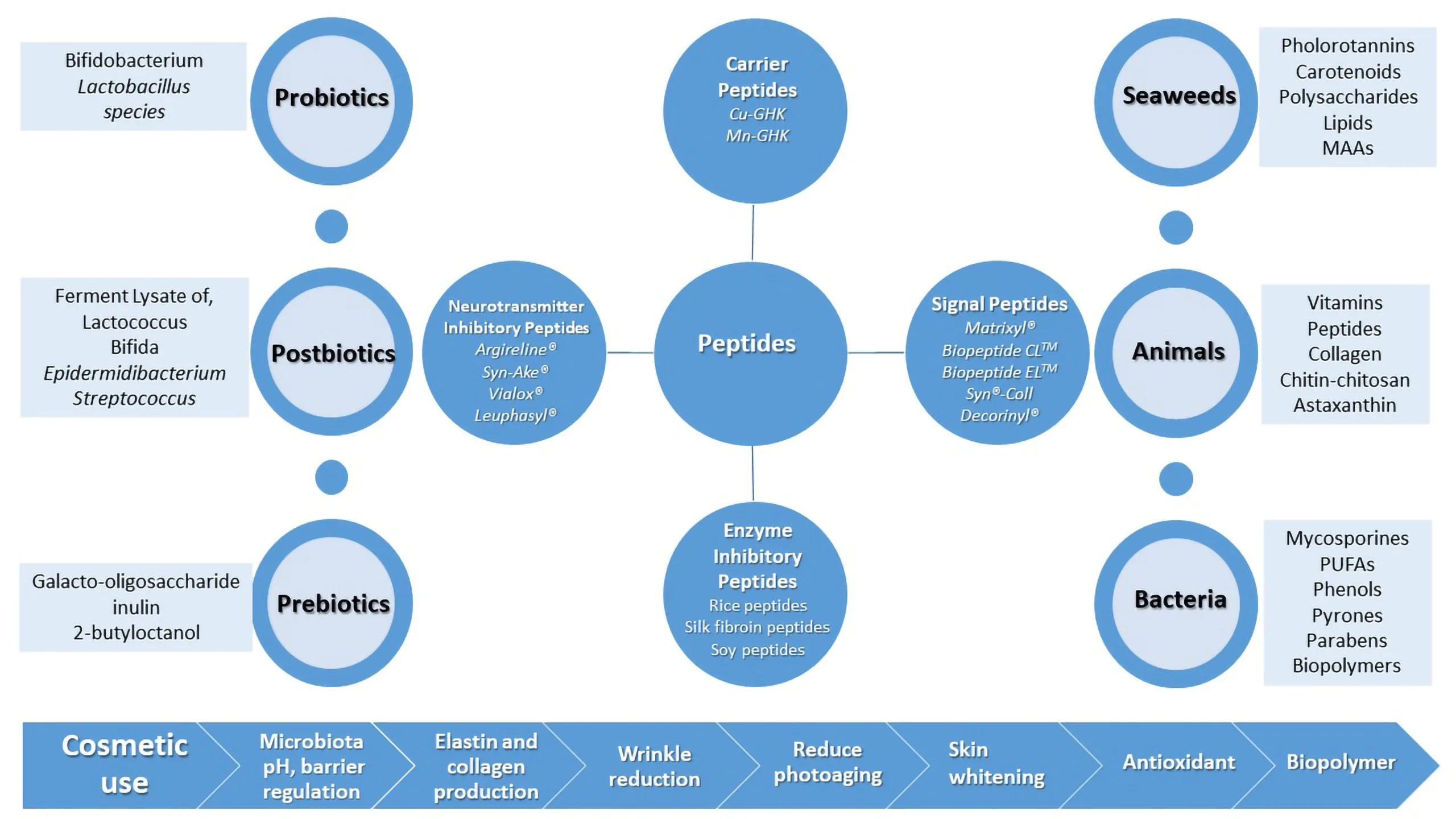
Driven by consumer demand for science-backed skincare, this category is expanding at an unprecedented pace. Today’s buyers expect more than marketing claims; they seek proven results supported by clinical data and innovative technologies. Among the most influential cosmeceutical ingredients are peptides, biotics, and marine biopolymers, each offering unique pathways to repair, protect, and rejuvenate the skin.
Looking ahead, the future of cosmeceuticals lies in personalization, sustainable sourcing, and advanced delivery systems, redefining beauty as a harmony of aesthetics, health, and science.
Peptides: Small Chains, Big Impact on Skin Health
Among the wide spectrum of cosmeceutical ingredients, peptides have secured a reputation as some of the most effective and versatile. These short chains of amino acids act as messenger molecules, sending biological signals that regulate critical skin functions such as collagen production, barrier repair, and cell communication. Their compact structure allows them to penetrate the skin more effectively than larger proteins, making them ideal for topical formulations.
Peptides stand out not only for their efficacy but also for their precision. Unlike broad-spectrum ingredients that affect multiple pathways, peptides can be engineered to target specific cellular processes, giving formulators a powerful toolkit for addressing aging, sensitivity, and environmental damage.
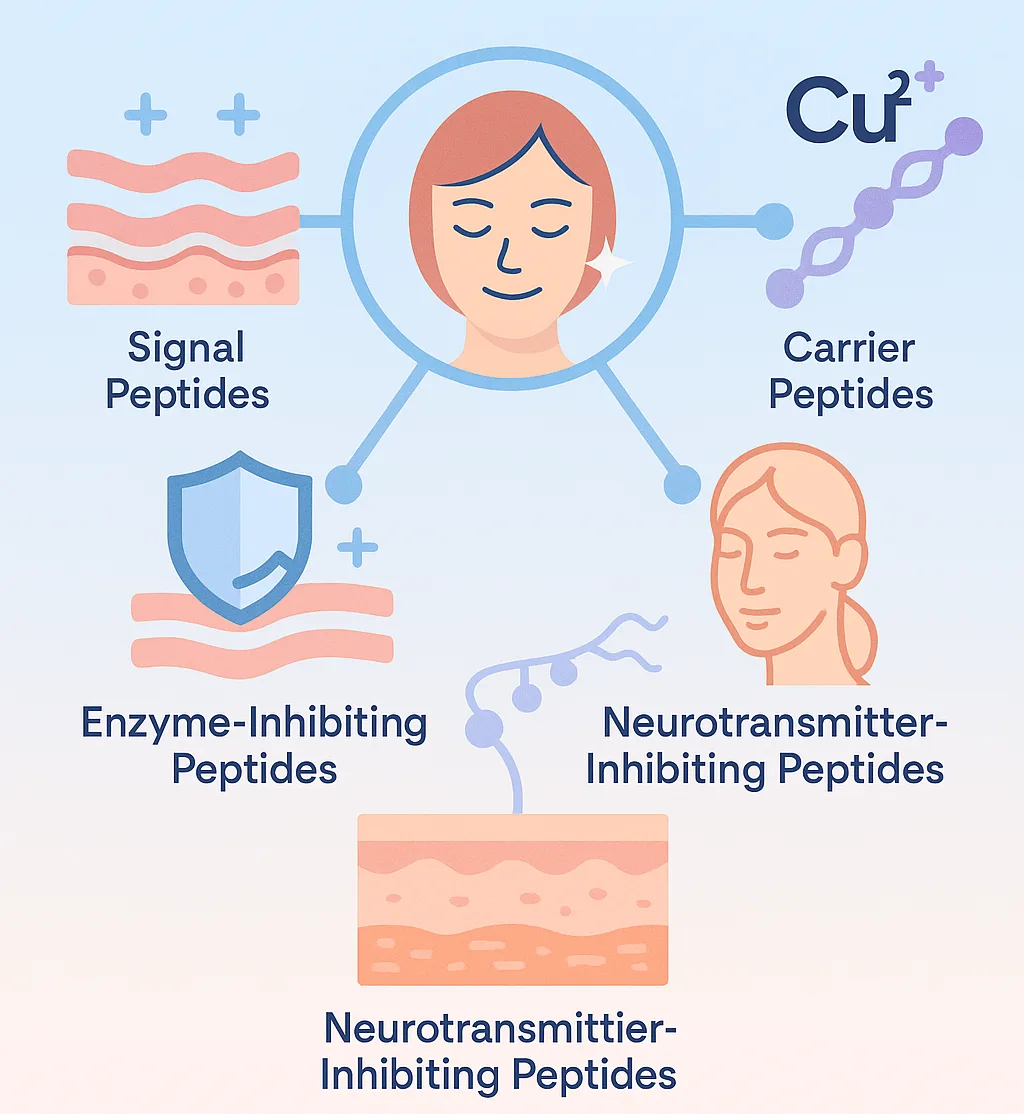
1. Signal Peptides: Rebuilding the Skin’s Scaffold
Signal peptides are celebrated for their ability to stimulate fibroblasts to produce collagen, elastin, and hyaluronic acid—components that form the structural framework of youthful skin. By reinforcing this extracellular matrix, they help reduce wrinkles, improve elasticity, and restore firmness. A leading example is palmitoyl pentapeptide-4 (Matrixyl), which clinical studies have shown to visibly smooth fine lines and improve skin texture over time.
2. Carrier Peptides: Delivering Essential Minerals
Carrier peptides specialize in transporting trace minerals, such as copper and manganese, directly into the skin. These minerals act as cofactors in enzymatic reactions that drive tissue repair and antioxidant defense. Copper tripeptide-1 is particularly well known for accelerating wound healing, reducing inflammation, and even supporting hair growth. This dual action of mineral delivery and peptide stability makes carrier peptides indispensable in regenerative and anti-aging skincare.
3. Enzyme-Inhibiting Peptides: Preserving Collagen and Elastin
Skin aging is accelerated not just by a decline in collagen production but also by its increased degradation. Enzymes such as matrix metalloproteinases (MMPs) break down collagen and elastin fibers, weakening the dermis. Enzyme-inhibiting peptides work by blocking these destructive enzymes, slowing the breakdown process and helping preserve skin structure. Used alongside signal peptides, they provide a two-pronged approach: stimulating new collagen while protecting existing reserves.
4. Neurotransmitter-Inhibiting Peptides: The Botox Alternatives
Perhaps the most innovative class of peptides are neurotransmitter inhibitors, often marketed as “botox-like” solutions. These peptides reduce the release of acetylcholine at neuromuscular junctions, leading to subtle muscle relaxation and fewer expression lines. The most well-known example, acetyl hexapeptide-8 (Argireline), offers a safe and non-invasive way to soften wrinkles, appealing to consumers seeking alternatives to injectable treatments.
Why Peptides Lead the Innovation Race
Peptides dominate cosmeceutical innovation because they combine specificity, safety, and versatility. They are biocompatible, customizable for different skin needs, and increasingly stable thanks to advances in encapsulation and nanotechnology. When paired with antioxidants, vitamins, or hyaluronic acid, peptides create powerful multifunctional formulas that deliver both immediate and long-term benefits.
For these reasons, peptides remain the cornerstone of anti-aging skincare and a driving force behind the rapid evolution of cosmeceuticals.
Biotics: Harnessing the Power of the Skin Microbiome
In recent years, research into the skin microbiome has revealed how crucial microbial balance is to maintaining healthy, resilient skin. This has fueled the rise of biotics in cosmeceuticals—an umbrella term that includes probiotics, prebiotics, and postbiotics. Each plays a distinct role in supporting the skin’s ecosystem and enhancing its natural defenses.
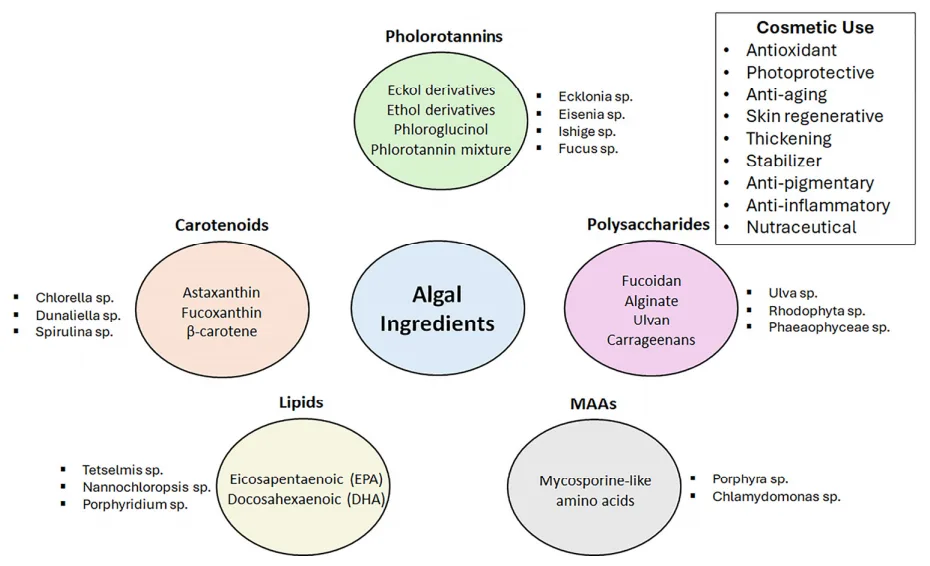
- Probiotics introduce live beneficial microorganisms that help restore microbial balance, reduce inflammation, and strengthen barrier function. In skincare, probiotic extracts are often used to calm sensitive skin and improve hydration.
- Prebiotics act as a food source for beneficial microbes, selectively stimulating their growth to outcompete harmful bacteria. This approach enhances the skin’s natural immunity and resilience.
- Postbiotics, the metabolic byproducts of probiotic activity, deliver potent bioactive molecules such as peptides, lipids, and enzymes that provide anti-inflammatory, antioxidant, and anti-aging effects.
The benefits of biotics go beyond skin barrier repair. They are increasingly recognized for their role in reducing sensitivity, combating acne, preventing premature aging, and improving moisture retention. Emerging research also points to the gut–skin axis, showing how internal microbiota imbalances can manifest in dermatological conditions.
As consumers become more attuned to holistic wellness, microbiome-friendly skincare has become a powerful trend. Biotics offer a natural and scientifically grounded way to restore balance, protect against external stressors, and promote a healthier complexion—positioning them as a vital part of the cosmeceutical toolkit.
Marine Biopolymers: Skincare Treasures from the Sea
The ocean is a vast reservoir of bioactive compounds, and in cosmeceuticals, marine biopolymers have emerged as powerful, natural ingredients for skin health. Derived from algae, crustaceans, fish, and marine sponges, these compounds offer multifunctional benefits ranging from hydration to anti-aging and wound healing.
- Marine polysaccharides such as alginates, carrageenans, and fucoidan are valued for their exceptional hydrating and film-forming properties. They enhance moisture retention, soothe irritation, and support wound repair by creating a protective barrier on the skin’s surface.
- Chitosan, obtained from the shells of crustaceans, is known for its antimicrobial and regenerative qualities. It promotes tissue repair while simultaneously defending against harmful microorganisms, making it highly effective in formulations for sensitive or acne-prone skin.
- Marine collagen, sourced from fish skin and scales, has gained popularity as a sustainable and highly bioavailable alternative to bovine collagen. Rich in peptides, it supports skin elasticity, reduces wrinkle depth, and stimulates tissue regeneration.
Beyond their cosmetic appeal, marine-derived ingredients are celebrated for being renewable and biocompatible. Advances in marine biotechnology now focus on sustainable harvesting and eco-friendly extraction methods to minimize environmental impact while unlocking new compounds for cosmeceutical use.
As consumer interest in natural, ocean-inspired skincare grows, marine biopolymers stand out for their ability to combine efficacy with sustainability. They not only meet the demand for clean, eco-conscious beauty but also bring the richness of marine ecosystems directly into modern skincare formulations.
Challenges and What Lies Ahead for Cosmeceuticals
While peptides, biotics, and marine biopolymers represent the cutting edge of cosmeceuticals, several challenges remain. Peptide stability in formulations can limit shelf life, while probiotic viability poses difficulties for product consistency. The regulatory gray zone of cosmeceuticals also creates uncertainty, as these products are not held to the same strict standards as pharmaceuticals. Furthermore, sustainable sourcing of marine ingredients is essential to prevent overexploitation of ocean resources.
Looking ahead, the future lies in green extraction technologies, personalized skincare tailored to genetics and microbiome profiles, and advanced delivery systems such as nanocarriers. Together, these innovations promise to elevate cosmeceuticals from trend to transformative science.
Conclusion: Where Beauty Meets Science
Cosmeceuticals are redefining skincare by moving beyond surface-level beauty into the realm of health-focused innovation. Peptides repair and rejuvenate, biotics balance the microbiome, and marine biopolymers offer natural protection and renewal. Collectively, these ingredients showcase how science and nature can merge to meet consumer demand for effective, sustainable solutions.
As the industry evolves, cosmeceuticals stand poised to become not just enhancements to appearance, but holistic allies in skin health—a true fusion of aesthetics, wellness, and biotechnology.
Reference
Badilli, U., & Inal, O. (2025). Current approaches in cosmeceuticals: peptides, biotics and marine biopolymers. Polymers, 17(6), 798.
https://doi.org/10.3390/polym17060798
Gupta, V., Mohapatra, S., Mishra, H., Farooq, U., Kumar, K., Ansari, M. J., … & Iqbal, Z. (2022). Nanotechnology in cosmetics and cosmeceuticals—a review of latest advancements. Gels, 8(3), 173.
https://doi.org/10.3390/gels8030173
Cernasov, D. (2009). The design and development of anti-aging formulations. In Skin Aging Handbook (pp. 291-325). William Andrew Publishing.
https://doi.org/10.1016/B978-0-8155-1584-5.50016-8
Pawłowska, M., Marzec, M., Jankowiak, W., & Nowak, I. (2024). Retinol and oligopeptide-loaded lipid nanocarriers as effective raw material in anti-acne and anti-aging therapies. Life, 14(10), 1212.