 LinkPeptide
Thymalin and T Cells: How a Natural Peptide Restores Immunity from Stem to Defense
Blog 202
Abstract
Thymalin is a biologically active peptide complex derived from the thymus, known for its powerful role in supporting and regulating the immune system. As researchers continue to explore natural compounds that enhance immune function, Thymalin has emerged as a promising candidate—especially in the context of viral infections like COVID-19, where immune suppression plays a critical role in disease severity.
Recent studies have shown that Thymalin can activate hematopoietic stem cells (HSCs), the foundational cells responsible for producing immune cells, and guide them through the differentiation process into mature, functional T lymphocytes. Specifically, Thymalin significantly increases the expression of CD28—a marker of immune-ready T cells—while decreasing stemness markers like CD44 and CD117.
These findings suggest that Thymalin not only boosts immune regeneration but may also help restore T cell levels during periods of immune decline. With its unique mechanism and peptide-based composition, Thymalin represents a novel and safe approach to enhancing antiviral immunity and strengthening overall immune resilience.
What Is Thymalin? Exploring the Thymic Peptide That Regulates Immune Function
Thymalin is a natural peptide-based compound extracted from the thymus gland, which plays a central role in the development and regulation of the body’s immune system. As a thymic peptide, Thymalin contains biologically active di- and tripeptides—short amino acid chains that influence gene expression and protein synthesis in immune cells.
What sets Thymalin apart from synthetic immunostimulants is its ability to work in harmony with the body’s natural regulatory pathways. It has been used for decades in clinical settings to treat conditions such as chronic respiratory infections, bronchitis, and immunodeficiency disorders. Its known actions include stimulating T lymphocyte activity, improving phagocytic function, regulating hemostasis, and enhancing the body’s antioxidant defenses.
Because of its low molecular weight and high bioavailability, Thymalin easily interacts with cellular mechanisms that govern immune cell differentiation, proliferation, and repair. As a result, this peptide offers a unique combination of safety, effectiveness, and targeted immune support—making it an attractive candidate for therapies aimed at viral immunity and immune restoration.
From Stem Cell to T Cell: Understanding the Immune Pathway Thymalin Supports
Hematopoietic stem cells (HSCs) are the body’s master builders of the immune system. Found in the bone marrow and originating from embryonic hemangioblasts, these pluripotent cells give rise to all blood cell types, including the critical T lymphocytes responsible for identifying and destroying pathogens.
The journey from a stem cell to a fully mature immune cell involves several stages of differentiation, each marked by specific surface molecules. CD44 is widely recognized as a marker of “stemness,” helping to maintain the regenerative state of HSCs. CD117, also known as c-Kit, signals early differentiation, particularly toward immune cell lineages. Finally, CD28 represents a key maturity marker of functional T cells, vital for mounting effective antiviral responses.
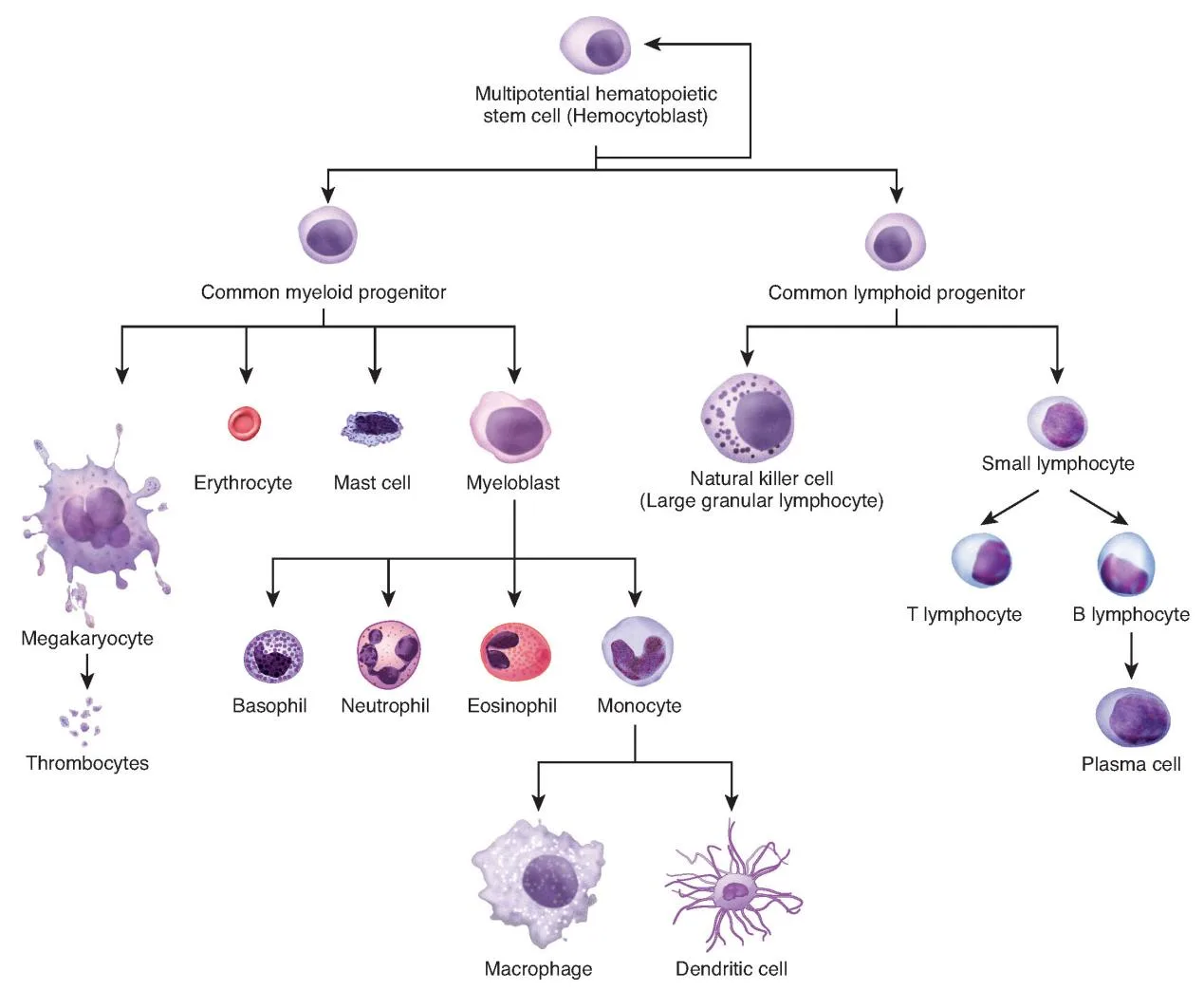
Understanding and influencing this cascade is central to regenerative immunology. Supporting the progression of HSCs from CD44+ to CD28+ cells holds the potential to restore immune function—particularly in cases where immunity is weakened, such as during viral infections or aging.
New Research: How Thymalin Stimulates T Cell Maturation from Stem Cells
A recent study explored how Thymalin influences the differentiation of human hematopoietic stem cells (HSCs) into mature immune cells, offering compelling evidence of its immunoregulatory potential. Researchers cultured HSCs derived from umbilical cord blood and treated them with Thymalin at a concentration of 100 ng/ml. They analyzed the expression of three key cell surface markers: CD44, CD117, and CD28, which correspond to stemness, early differentiation, and mature T cell development, respectively.
The findings revealed a clear progression in cell maturation driven by Thymalin:
- CD44, a marker of undifferentiated stem cells, was significantly reduced—by nearly 2.76 times in late-passage (day 7) cultures—suggesting a shift away from the stem-like state.
- CD117, an early-stage differentiation marker, showed increased expression brightness during early culture but decreased expression over time, indicating Thymalin’s role in initiating and then advancing the differentiation process.
Most notably, CD28, the hallmark of fully mature and immune-competent T lymphocytes, was increased up to 6.93 times in Thymalin-treated cells by day 7. This dramatic boost implies that Thymalin strongly promotes the formation of T cells capable of mounting antiviral defenses.
These results support a stepwise model of immune cell development under Thymalin’s influence: starting with early activation (CD117), followed by a decline in stem-like traits (CD44), and culminating in the rise of CD28+ mature T cells. This peptide essentially acts as a natural accelerator of immune readiness by guiding stem cells toward functional specialization.
Thymalin and COVID-19: Rebuilding Immunity by Boosting T Cell Counts
One of the most critical findings of the Thymalin study is its potential application in restoring immune function during viral infections, especially COVID-19. In severe COVID-19 cases, the number of CD28+, CD4+, and CD8+ T lymphocytes drastically decreases, indicating immune system exhaustion.
By significantly boosting CD28 expression, Thymalin could counteract this depletion and support the regeneration of functional T cells during periods of immune suppression. This peptide-based therapy may not only enhance the body’s natural defense mechanisms but also serve as a preventive or adjunct treatment in managing viral diseases marked by T cell decline and immune imbalance.
Thymalin’s Future in Immune Health: A Natural Ally in Viral and Age-Related Immunity
The evidence supporting Thymalin as a powerful immunomodulatory agent is both compelling and timely. As the world faces recurring waves of viral threats like COVID-19, the need for safe, effective, and natural solutions to bolster the immune system is greater than ever. Thymalin offers a unique approach by directly influencing the body’s foundational immune components—hematopoietic stem cells—and steering them toward functional maturity.
Through its stepwise modulation of key cell markers—reducing CD44 and CD117 while enhancing CD28 expression—Thymalin helps drive the transformation of dormant stem cells into active, virus-fighting T lymphocytes. This process is essential for restoring immune balance during periods of immunosuppression, whether due to viral infection, chronic illness, or aging.
Unlike synthetic drugs, Thymalin’s peptide-based structure and natural origin make it well-tolerated with no known adverse effects. Its role as a gentle yet effective immune stimulator positions it as a valuable tool in both preventive care and therapeutic support.
As research continues, Thymalin holds promise not only for COVID-19 recovery but also for broader applications in immune resilience, regenerative medicine, and healthy aging. In the evolving field of immunotherapy, this thymic peptide may be a key to unlocking stronger, smarter immunity from within.
Reference
Khavinson, V. K., Linkova, N. S., Kvetnoy, I. M., Polyakova, V. O., Drobintseva, A. O., Kvetnaia, T. V., & Ivko, O. M. (2020). Thymalin: activation of differentiation of human hematopoietic stem cells. Bulletin of Experimental Biology and Medicine, 170, 118-122.
https://doi.org/10.1007/s10517-020-05016-z
Chen, C., Zhao, S., Karnad, A., & Freeman, J. W. (2018). The biology and role of CD44 in cancer progression: therapeutic implications. Journal of hematology & oncology, 11, 1-23.
https://doi.org/10.1186/s13045-018-0605-5
Frumento, G., Zuo, J., Verma, K., Croft, W., Ramagiri, P., Chen, F. E., & Moss, P. (2019). CD117 (c-Kit) is expressed during CD8+ T cell priming and stratifies sensitivity to apoptosis according to strength of TCR engagement. Frontiers in immunology, 10, 468.
https://doi.org/10.3389/fimmu.2019.00468
Myburgh, R., Kiefer, J. D., Russkamp, N. F., Magnani, C. F., Nuñez, N., Simonis, A., … & Manz, M. G. (2020). Anti-human CD117 CAR T-cells efficiently eliminate healthy and malignant CD117-expressing hematopoietic cells. Leukemia, 34(10), 2688-2703.
https://doi.org/10.1038/s41375-020-0818-9