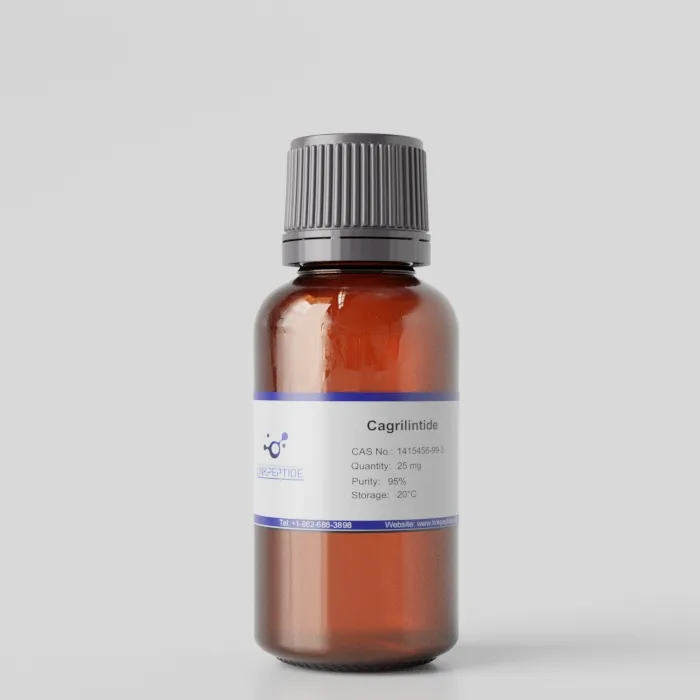
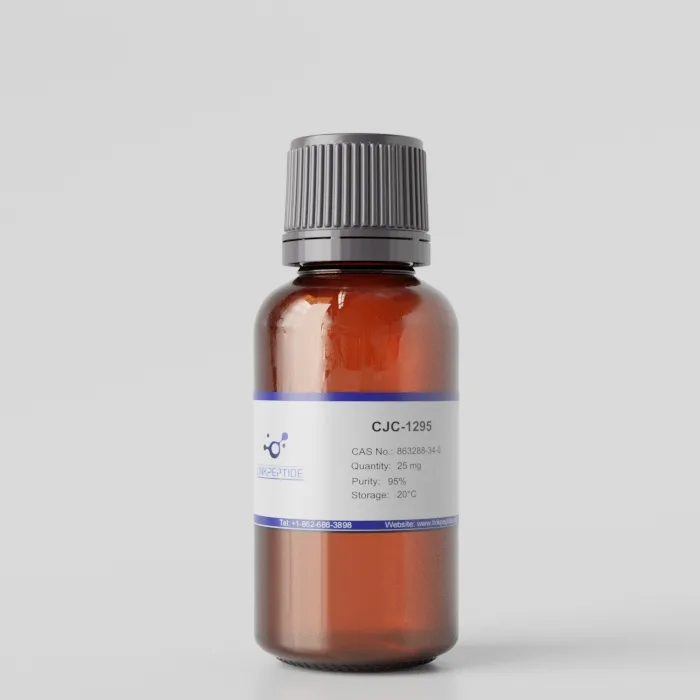
Product Name: Cagrilintide
Form: Free base
CAS No: 1415456-99-3
Molar Mass: 4409.01
Chemical Formula: C194H312N54O59S2
Synonyms: GLXC-26801
Storage: Store at -20℃
Sequence: XKCNTATCATQRLAEFLRHSSNNFGPILPPTNVGSNTP
Target: CTR
Application:
Cagrilintide (CAS: 1415456-99-3) is a synthetic peptide drug that acts as a dual agonist of the glucagon-like peptide-1 (GLP-1) and glucagon receptors. It is primarily used in the management of type 2 diabetes mellitus to regulate blood glucose levels. Cagrilintide stimulates GLP-1 receptors, leading to increased insulin secretion, decreased glucagon secretion, slowed gastric emptying, and reduced appetite. Additionally, its agonism of glucagon receptors contributes to glucose-dependent insulin secretion and hepatic glycogenolysis inhibition. This dual action helps to improve glycemic control and promote weight loss in patients with type 2 diabetes. In pharmaceutical chemistry, cagrilintide's unique mechanism of action represents a significant advancement in diabetes therapy, offering a targeted approach to addressing multiple aspects of glucose metabolism and appetite regulation. Ongoing research continues to explore its potential in diabetes management and its role in combination therapies, highlighting its versatility in the treatment of metabolic disorders.
Current Research:
Cagrilintide is a synthetic peptide analog of amylin, a hormone co-secreted with insulin from pancreatic beta cells. Cagrilintide is designed to mimic amylin’s physiological effects, which include delaying gastric emptying, promoting satiety, and reducing postprandial glucose levels. It is being investigated for its potential therapeutic applications in the treatment of type 2 diabetes and obesity, addressing the need for more targeted, effective therapies in managing metabolic disorders.
Mechanism of Action
Cagrilintide acts by binding to amylin receptors located in both the brain and gastrointestinal system, activating signaling pathways that regulate hunger, glucose metabolism, and gastric motility. By delaying gastric emptying, it promotes a feeling of fullness after meals, reducing overall food intake. Additionally, cagrilintide suppresses the secretion of glucagon, a hormone that typically raises blood glucose levels. These actions collectively contribute to better postprandial glucose control and weight reduction. This mechanism makes cagrilintide a potential adjunctive therapy in diabetes management and weight loss programs.
Indications and Uses
Cagrilintide is primarily being investigated for the treatment of type 2 diabetes, where it could help to enhance insulin sensitivity, reduce glucose spikes, and support weight management. The peptide is also being explored for its potential role in obesity, as its ability to induce satiety and delay gastric emptying may help patients achieve and maintain weight loss. Clinical trials are assessing its effectiveness in combination with insulin or other anti-diabetic agents to improve overall glycemic control in diabetic patients. Furthermore, its appetite-regulating effects make it a promising candidate for obesity management, especially in patients who struggle with hunger and food cravings.
Efficacy and Clinical Benefits
Clinical studies have shown that cagrilintide can significantly reduce appetite, leading to lower food intake and improved satiety. In obesity trials, patients treated with cagrilintide demonstrated moderate weight loss and improved body composition. Additionally, its ability to reduce postprandial glucose levels provides a significant benefit for type 2 diabetes patients, enhancing their glucose control and potentially reducing the risk of complications. While the peptide is still undergoing clinical investigation, early results suggest that it may offer a complementary treatment for patients who are not fully controlled with existing therapies.
Safety and Tolerability
Cagrilintide has shown a favorable safety profile in clinical trials, with mild side effects such as nausea, headaches, and gastrointestinal discomfort being the most commonly reported. These side effects are generally transient and well-tolerated by most patients. Importantly, cagrilintide does not have the same hypoglycemic risk associated with other glucose-lowering agents, such as insulin. However, long-term safety data is still being collected, and as with any therapy targeting metabolic processes, ongoing monitoring for gastrointestinal issues and other potential effects will be necessary.
Advantages and Limitations
The key advantage of cagrilintide is its dual action in managing both appetite and glucose levels, addressing two major issues in type 2 diabetes and obesity. Unlike many traditional therapies that primarily focus on glucose control or weight loss alone, cagrilintide's ability to regulate both makes it a promising combination therapy option. Its minimal risk of hypoglycemia further enhances its appeal in managing diabetic patients. However, its limitations include the need for long-term treatment and the potential for gastrointestinal side effects, which could affect patient adherence. Moreover, the cost and accessibility of the therapy could be limiting factors once it is approved.
Future Directions
Research on cagrilintide is ongoing, with future studies aiming to optimize its use in combination therapies with other diabetes medications or weight loss interventions. Clinical trials will continue to explore its role in long-term diabetes management, particularly in patients who have not achieved optimal control with traditional therapies. Additionally, there is interest in exploring its potential in treating other metabolic disorders, such as insulin resistance and non-alcoholic fatty liver disease (NAFLD). The future of cagrilintide in both clinical and research settings will likely expand as more data becomes available on its efficacy and long-term benefits.
Reference:
Get a Quote
 LinkPeptide