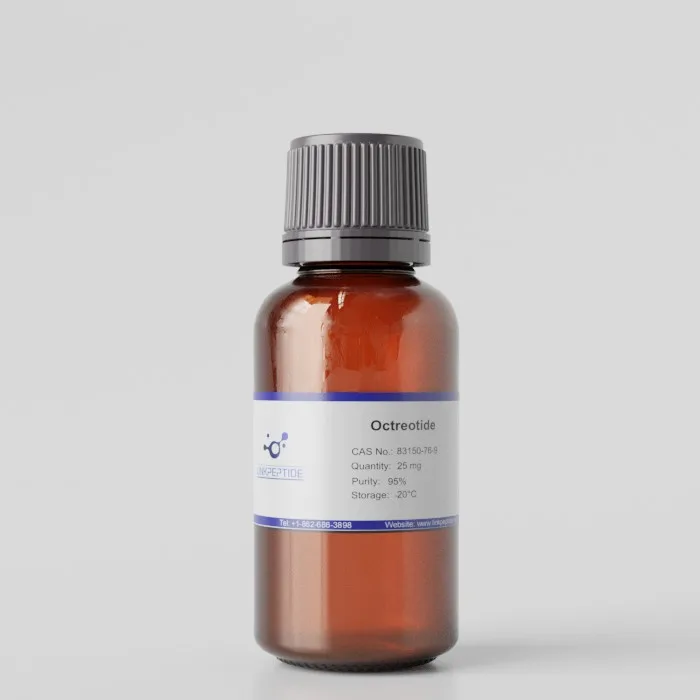
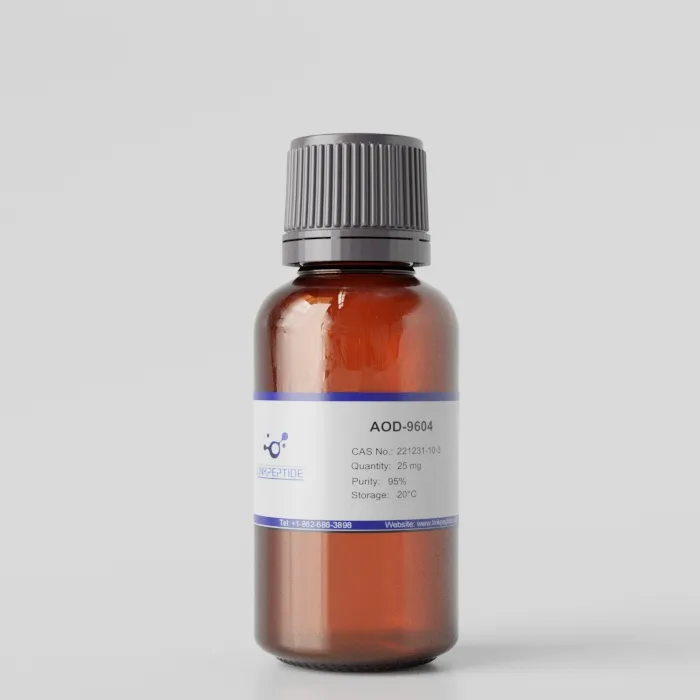
Product Name: Octreotide
CAS No: 83150-76-9
Purity: 95%
Molar Mass: 1019.2
Chemical Formula: C49H66N10O10S2
Synonyms: Sandostatin
Storage: Store at -20??
Sequence: FCFWKTCT
Application: Octreotide is a synthetic octapeptide that mimics natural somatostatin, inhibiting the secretion of several hormones such as growth hormone, insulin, and glucagon. By binding to somatostatin receptors, particularly SSTR2 and SSTR5, octreotide effectively reduces hormone-related symptoms in conditions like acromegaly, carcinoid tumors, and vasoactive intestinal peptide tumors (VIPomas). In pharmaceutical applications, octreotide is used to manage hormone-secreting tumors and alleviate symptoms of excessive hormone production. Its mechanism of action and prolonged activity compared to natural somatostatin make it a crucial therapeutic agent in endocrinology and oncology
Current Research:
Octreotide, an octapeptide and synthetic analog of somatostatin, has become a cornerstone in the treatment of hormone-secreting disorders and a valuable tool in drug discovery. Engineered to mimic the biological activity of somatostatin, octreotide has a longer half-life and selective affinity for somatostatin receptors (SSTR2 and SSTR5), which mediate its diverse therapeutic effects.
Mechanism of Action
Octreotide exerts its effects by binding to somatostatin receptors, leading to the inhibition of hormone secretion, suppression of cellular proliferation, and modulation of neurotransmitter release. Its selective receptor interaction minimizes off-target effects while preserving potency.
Applications in Research and Therapy
Endocrine Disorders
Octreotide is widely used to manage acromegaly, a condition characterized by excessive growth hormone (GH) secretion. By inhibiting GH release, it helps normalize insulin-like growth factor 1 (IGF-1) levels and alleviates associated symptoms.
Neuroendocrine Tumors (NETs)
Octreotide is the first-line therapy for functioning NETs, such as carcinoid syndrome and VIPomas, due to its ability to suppress the secretion of vasoactive peptides. Radiolabeled forms of octreotide, such as [111In]-pentetreotide, are utilized for tumor imaging and targeted radiotherapy, aiding in precise diagnosis and treatment.
Gastrointestinal Disorders
Octreotide has applications in conditions like refractory diarrhea and gastrointestinal bleeding, where it reduces fluid secretion and splanchnic blood flow, respectively. It is also used in the management of complications from pancreatic or intestinal fistulas.
Cancer Research
The anti-proliferative effects of octreotide on SSTR-expressing tumors have made it a focus of oncology studies. It serves as a model for developing receptor-specific analogs targeting tumor growth.
Future Directions
Research is focused on enhancing the pharmacokinetics and therapeutic scope of octreotide through analog development and novel delivery systems, including long-acting formulations and nanoparticles. Additionally, its role in non-tumorous conditions, such as diabetic retinopathy and fibrosis, is under investigation.
For researchers, octreotide represents a versatile peptide-based therapeutic, offering significant insights into receptor-targeted drug design and the treatment of endocrine and oncological diseases.
Get a Quote
 LinkPeptide