 LinkPeptide
From Diabetes to Liver Disease: The Expanding Role of GLP-1 Receptor Agonists
Blog 176
Abstract
Glucagon-like peptide-1 receptor agonists (GLP-1RAs) are revolutionizing the management of metabolic diseases, offering powerful benefits that extend far beyond glucose control. Originally developed for type 2 diabetes, GLP-1RAs have demonstrated significant advantages in promoting weight loss, reducing cardiovascular risk, and now, treating liver conditions such as metabolic dysfunction-associated steatohepatitis (MASH). Backed by robust clinical trials, these therapies target multiple aspects of metabolic dysfunction, including insulin resistance, inflammation, and fat accumulation. With the emergence of next-generation dual and triple agonists, the scope of GLP-1-based therapies is expanding rapidly. These agents are redefining treatment standards for patients with overlapping conditions like diabetes, obesity, and fatty liver disease. As research progresses, GLP-1RAs are poised to become a cornerstone of integrated metabolic care—delivering results once thought achievable only through bariatric surgery or intensive interventions. This blog explores their mechanisms, benefits, safety profile, and the promising future they hold in reshaping metabolic health.
Unlocking the Future of Metabolic Health: Why GLP-1 Therapies Matter Now
Metabolic disorders such as type 2 diabetes, obesity, and fatty liver disease are rapidly increasing worldwide, placing a significant burden on healthcare systems and patients alike. Once treated as separate conditions, these diseases are now recognized as part of a broader spectrum of metabolic dysfunction, calling for more integrated and innovative therapeutic strategies.
Enter GLP-1 receptor agonists (GLP-1RAs)—a class of medications that is redefining the way we approach metabolic health. Initially developed to improve blood sugar control in type 2 diabetes, GLP-1RAs have since demonstrated powerful benefits that extend far beyond glucose regulation. These therapies promote meaningful weight loss, reduce cardiovascular risk, and are now showing impressive results in treating liver diseases like metabolic dysfunction-associated steatohepatitis (MASH), formerly known as non-alcoholic steatohepatitis (NASH).
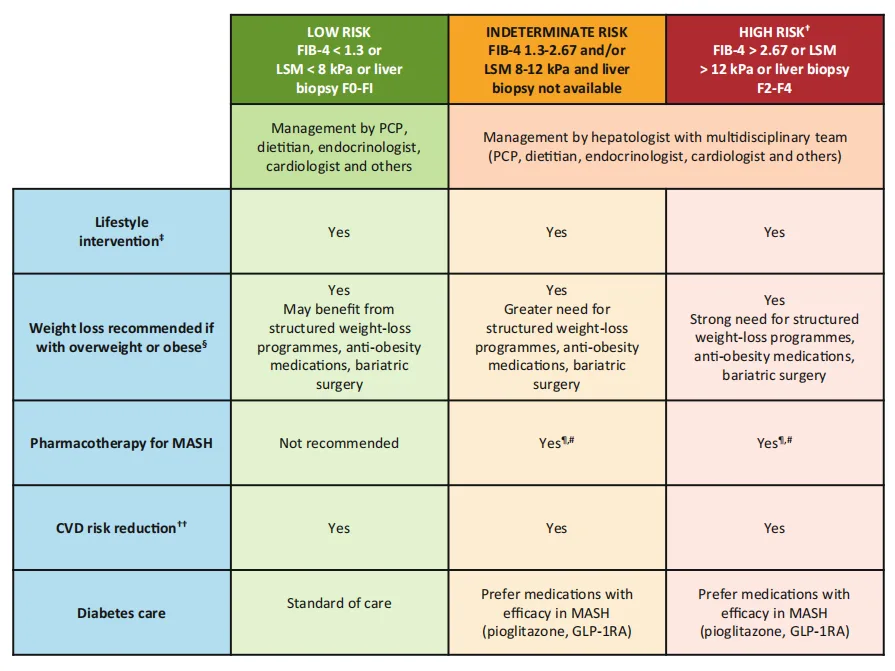
In this blog, we’ll explore the expanding role of GLP-1RAs in managing complex metabolic diseases. From their unique mechanism of action to their emerging use in obesity and liver health, discover how these innovative treatments are ushering in a new era of metabolic care.
GLP-1 Receptor Agonists Explained: How They Work and Why They’re Different
GLP-1 receptor agonists (GLP-1RAs) are a class of medications that mimic the effects of a naturally occurring hormone called glucagon-like peptide-1 (GLP-1). This hormone is released in the gut after eating and plays a vital role in regulating blood sugar by stimulating insulin secretion and suppressing glucagon production. In people with type 2 diabetes, this mechanism becomes impaired—a gap that GLP-1RAs are designed to fill.
What sets GLP-1RAs apart is their ability to address multiple aspects of metabolic dysfunction at once. In addition to improving glucose control, these drugs slow gastric emptying, reduce appetite, and promote significant weight loss. This makes them especially valuable for patients who are struggling with both diabetes and obesity.
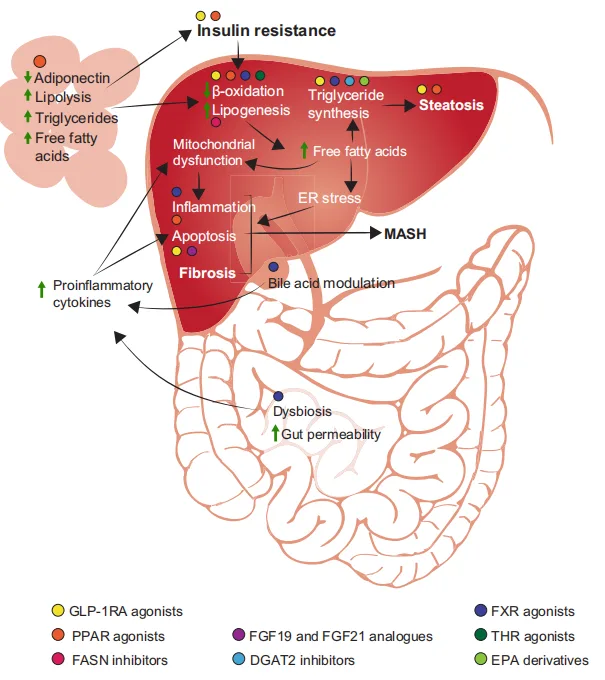
Beyond their metabolic effects, GLP-1RAs have demonstrated cardiovascular benefits, including reductions in major adverse cardiovascular events (MACE), improved lipid profiles, and lower blood pressure. These effects have been confirmed in large-scale trials, leading to guideline endorsements for use in patients with both type 2 diabetes and high cardiovascular risk.
Importantly, GLP-1RAs are now being studied for their impact on non-diabetic conditions, particularly liver diseases like MASH. By targeting inflammation, reducing liver fat, and improving insulin sensitivity, these agents offer a promising new approach to tackling chronic liver disease from a metabolic angle.
As research evolves, GLP-1RAs are emerging not just as diabetes drugs, but as cornerstone therapies in the broader fight against metabolic syndrome.
Beyond Diabetes: How GLP-1RAs Are Transforming Obesity and Liver Disease Treatment
While GLP-1 receptor agonists (GLP-1RAs) began as treatments for type 2 diabetes, their impressive weight loss benefits quickly expanded their use in obesity management. Clinical trials have shown that these therapies can help patients lose 10–15% or more of their body weight, rivaling the results of some surgical interventions. For individuals struggling with obesity—a major driver of metabolic dysfunction—this represents a meaningful shift in treatment options.
More recently, researchers have turned their attention to how GLP-1RAs impact metabolic dysfunction-associated steatohepatitis (MASH), a progressive form of fatty liver disease that can lead to cirrhosis and liver failure. In landmark studies like the LEAN trial, the GLP-1RA liraglutide significantly improved liver histology, reduced inflammation, and even reversed signs of steatohepatitis in some patients. Similar results have been observed with semaglutide, another GLP-1RA, which demonstrated high rates of liver fat reduction and inflammation control in people with non-cirrhotic MASH.
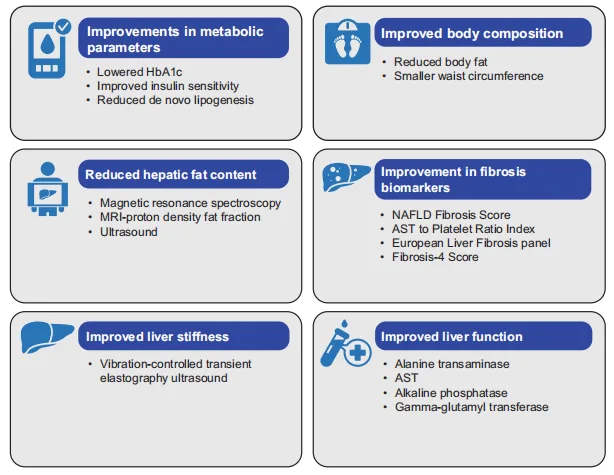
The next generation of therapies is even more promising. Dual agonists like tirzepatide (GLP-1 + GIP) and experimental triple agonists (GLP-1 + GIP + glucagon) such as retatrutide are demonstrating superior outcomes in weight reduction, glycemic control, and liver health. Early data show these agents can dramatically reduce hepatic fat content, fibrosis markers, and systemic inflammation—all key targets in MASH treatment.
As obesity, diabetes, and liver disease often coexist, the ability of GLP-1RAs to target all three conditions makes them uniquely positioned for integrated care. These therapies represent a paradigm shift in how we approach chronic metabolic illness—offering patients a more comprehensive path to recovery.
GLP-1 Therapy Safety: What to Expect and How to Manage Side Effects
As with any medication, GLP-1 receptor agonists (GLP-1RAs) come with a few considerations—especially as their use expands beyond diabetes. Fortunately, most side effects are manageable and well-understood, thanks to extensive clinical experience.
The most common side effects are gastrointestinal, including nausea, vomiting, diarrhea, and constipation. These symptoms are generally dose-dependent and tend to lessen over time as the body adjusts. To minimize discomfort, healthcare providers typically start patients on a low dose and gradually increase it over several weeks.
In rare cases, GLP-1RAs have been associated with gallbladder issues, such as gallstones, and pancreatitis. While these risks remain under investigation, current evidence suggests the overall incidence is low. Additionally, preclinical studies in rodents raised concerns about thyroid C-cell tumors, but this has not been clearly demonstrated in humans.
It’s important for patients to use GLP-1RAs under the guidance of a healthcare provider, especially if they have a history of gastrointestinal disease, gallbladder problems, or thyroid disorders. Simple lifestyle tips—like eating smaller meals and avoiding high-fat foods—can also help manage side effects during treatment.
Overall, the safety profile of GLP-1RAs is considered favorable, especially when weighed against their broad benefits in metabolic health, weight loss, and liver protection.
The Road Ahead: GLP-1RAs as a Cornerstone of Modern Metabolic Medicine
The evolution of GLP-1 receptor agonists (GLP-1RAs) marks a major turning point in the treatment of chronic metabolic diseases. Once viewed solely as diabetes medications, they are now at the forefront of a holistic approach to metabolic health—addressing not just blood sugar, but obesity, cardiovascular risk, and liver disease such as MASH.
As newer agents like tirzepatide and retatrutide continue to outperform earlier generations, the future of GLP-1 therapies looks incredibly promising. These next-generation treatments offer multi-hormonal action that delivers deeper weight loss, greater metabolic improvements, and more comprehensive liver protection. They are not just treating symptoms—they’re targeting the root causes of metabolic dysfunction.
Ongoing research is expanding our understanding of how these therapies can be tailored to individual patients and combined with other treatments for even greater outcomes. Meanwhile, regulatory agencies and clinical guidelines are rapidly adapting to support broader use.
For clinicians, researchers, and patients alike, GLP-1RAs represent more than a breakthrough—they’re a foundation for a new standard in metabolic care. As science continues to evolve, these therapies may soon become a first-line strategy not just for diabetes, but for a wide range of metabolic conditions.
Reference
- Lonardo, A., Byrne, C. D., Caldwell, S. H., Cortez‐Pinto, H., & Targher, G. (2016). Global epidemiology of nonalcoholic fatty liver disease: meta‐analytic assessment of prevalence, incidence, and outcomes. Hepatology, 64(4), 1388-1389. DOI
- Sheka, A. C., Adeyi, O., Thompson, J., Hameed, B., Crawford, P. A., & Ikramuddin, S. (2020). Nonalcoholic steatohepatitis: a review. Jama, 323(12), 1175-1183. DOI
- Duell, P. B., Welty, F. K., Miller, M., Chait, A., Hammond, G., Ahmad, Z., … & American Heart Association Council on Arteriosclerosis, Thrombosis and Vascular Biology; Council on Hypertension; Council on the Kidney in Cardiovascular Disease; Council on Lifestyle and Cardiometabolic Health; and Council on Peripheral Vascular Disease. (2022). Nonalcoholic fatty liver disease and cardiovascular risk: a scientific statement from the American Heart Association. Arteriosclerosis, Thrombosis, and Vascular Biology, 42(6), e168-e185. DOI
- Cariou, B., Byrne, C. D., Loomba, R., & Sanyal, A. J. (2021). Nonalcoholic fatty liver disease as a metabolic disease in humans: A literature review. Diabetes, Obesity and Metabolism, 23(5), 1069-1083. DOI