 LinkPeptide
Glycomacropeptide: The Milk-Derived Peptide Transforming Nutrition and Health
Blog 302
Abstract
Glycomacropeptide (GMP) is a bioactive peptide derived from milk during cheese production, gaining rapid attention for its nutritional and therapeutic value. Naturally free of phenylalanine, GMP is especially beneficial for individuals with phenylketonuria (PKU), offering a palatable and effective alternative to synthetic amino acid supplements. Beyond PKU, GMP exhibits anti-inflammatory, prebiotic, and metabolic health benefits, including improved gut microbiota, reduced insulin resistance, and enhanced dental remineralization. This article explores GMP’s unique structure, efficient extraction methods, and diverse biological functions, highlighting its transition from dairy byproduct to functional food ingredient. With advances in purification technologies and growing clinical interest, GMP is poised to play a significant role in medical nutrition and health-focused food innovation. Continued research and development will be key to unlocking its full potential in personalized dietary therapies and disease prevention.
What Is Glycomacropeptide? From Dairy Byproduct to Bioactive Superstar
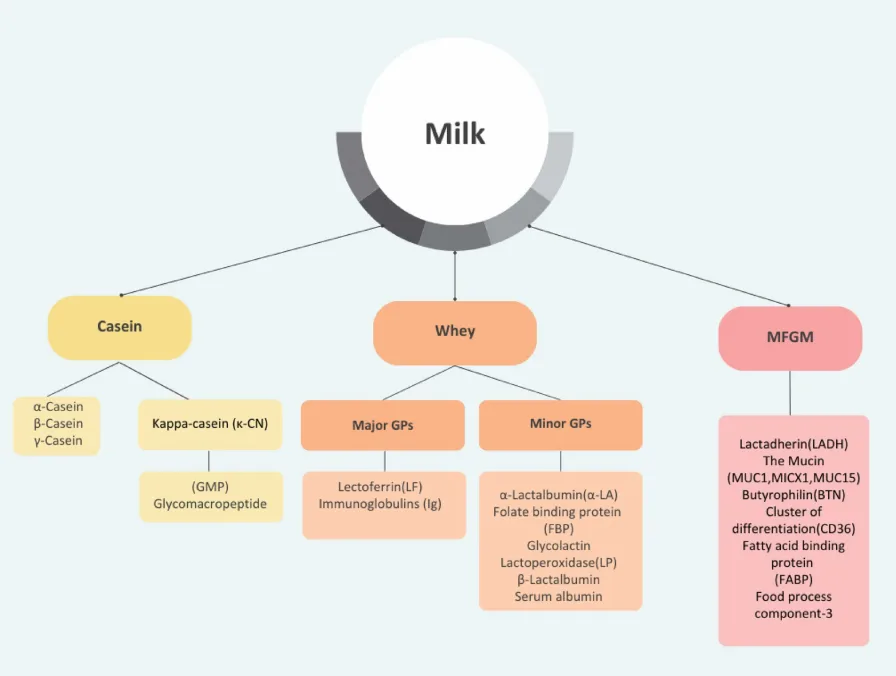
Glycomacropeptide (GMP) is a bioactive milk peptide formed during cheese production when the enzyme chymosin cleaves κ-casein. This process yields GMP in the whey fraction—a component once considered industrial waste but now recognized for its remarkable nutritional and therapeutic properties.
What distinguishes GMP is its unique amino acid composition. Critically, it lacks phenylalanine, making it an ideal protein source for individuals with phenylketonuria (PKU)—a genetic disorder requiring strict dietary control of this amino acid. GMP is also rich in threonine, serine, glutamic acid, and sialic acid, a sugar linked to cognitive development and immune modulation.
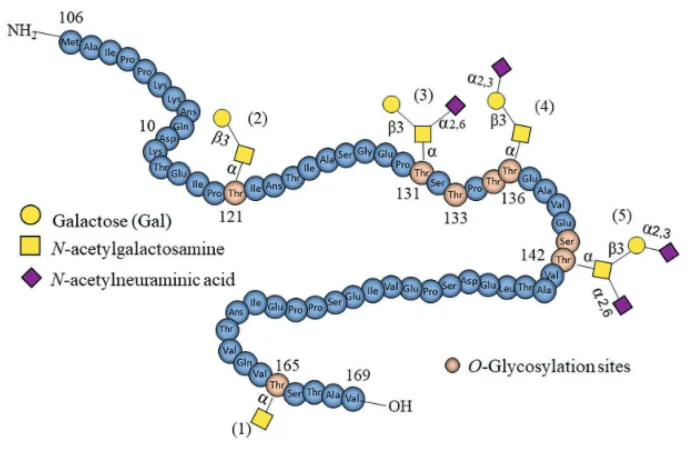
Structurally, GMP is a 64-residue glycopeptide, naturally glycosylated and phosphorylated. These modifications give it a net negative charge, high solubility, and exceptional heat stability—traits that make it easy to isolate and ideal for food and nutraceutical formulations, especially in acidic or thermal environments.
With a molecular weight between 6.7 and 9.6 kDa (depending on glycosylation), GMP is not just a protein fragment—it’s a versatile functional ingredient. From medical foods to functional beverages, this once-overlooked peptide is emerging as a cornerstone of modern nutritional science.
How GMP Is Made: Unlocking Its Potential Through Modern Extraction
Transforming raw whey into high-purity glycomacropeptide (GMP) is both a scientific and industrial challenge. Since GMP is present in relatively low concentrations and coexists with a host of other whey proteins, its extraction demands careful, selective techniques. Over the years, both traditional methods and modern technologies have been explored to recover GMP efficiently, economically, and at the purity levels needed for food and therapeutic use.
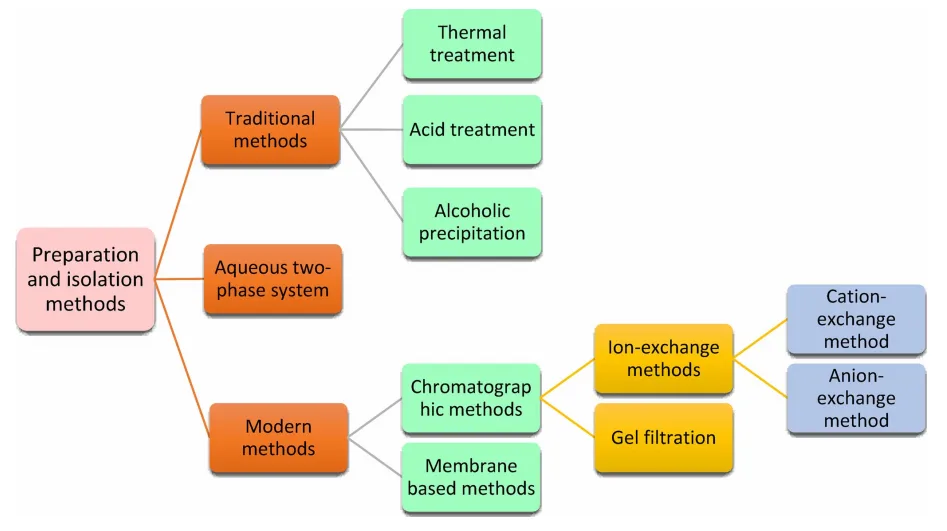
Traditional Techniques: Simplicity with Trade-Offs
Methods like heat treatment, acid precipitation, and alcoholic extraction were among the first developed. These are cost-effective and easy to implement, especially at scale, but often compromise on yield and glycosylation integrity. For example, while heating whey can release GMP by breaking glycosidic bonds, excessive heat may degrade functional groups. Acid treatment using trichloroacetic acid (TCA) selectively precipitates unwanted proteins, allowing GMP to remain in the supernatant, but yields are low, and some bioactive forms may be lost.
Alcohol precipitation, often combined with heat, has shown better recovery of glycosylated GMP—the most bioactive form. Still, this method is best suited for bulk GMP extraction where ultra-high purity is not essential.
Modern Methods: Precision and Purity
Advances in membrane-based technologies and chromatography have transformed GMP purification. Ultrafiltration (UF) and microfiltration (MF) separate GMP from larger whey proteins based on size, offering high recovery (up to 34%) and preserving bioactivity. These techniques are already integrated into many dairy production lines due to their scalability and low reagent use.
For higher purity, ion-exchange chromatography (IEC) is preferred. By exploiting GMP’s strong negative charge at low pH, cation-exchange resins can selectively remove contaminants while retaining GMP in the flow-through. Anion-exchange chromatography, especially using DEAE-Sephacel, has proven particularly effective in removing phenylalanine-containing impurities—crucial for PKU-safe formulations.
Aqueous two-phase systems (ATP) using PEG and salt solutions offer an emerging, eco-friendly approach with >85% recovery, though they require more research to optimize scalability.
In summary, GMP purification has evolved from crude separations to targeted, high-efficiency systems. Techniques like UF combined with anion-exchange chromatography now make it possible to produce food-grade and clinical-grade GMP—paving the way for its broader use in medical nutrition, functional foods, and beyond.
The Science of Benefits: How GMP Supports Immunity, Gut Health, and More
Glycomacropeptide (GMP) is far more than a nutritional protein substitute—it’s a multifunctional molecule with a growing list of bioactive properties. From gut health to immune regulation, GMP is gaining attention for its therapeutic promise across diverse health conditions.
1. Immune Modulation and Anti-Inflammatory Action
GMP exhibits strong immunomodulatory effects, making it a potential agent in managing chronic inflammation. In preclinical models, GMP has been shown to downregulate pro-inflammatory cytokines such as TNF-α, IL-1β, and IL-2, particularly through inhibition of NF-κB and MAPK signaling pathways. These effects are linked to its high content of sialic acid, which may mimic host glycans and modulate immune cell interactions.
Animal studies demonstrate that oral GMP reduces colitis, ileitis, and systemic allergic reactions. In mice, GMP intake significantly inhibited splenocyte proliferation and reduced interleukin-17 expression—an important factor in autoimmune inflammation. Such findings suggest GMP may serve as a functional food ingredient for conditions like inflammatory bowel disease and allergic disorders.
2. Gut Health and Microbiome Support
GMP supports gastrointestinal well-being through prebiotic action, promoting beneficial gut bacteria and improving short-chain fatty acid (SCFA) production. These SCFAs help reduce gut inflammation and strengthen mucosal integrity—factors crucial in managing irritable bowel syndrome (IBS).
In clinical trials, GMP supplementation led to improvements in gastrointestinal symptoms, fecal microbiota balance, and markers like lactoferrin and calprotectin. While effects varied based on dosage and duration, GMP’s ability to modulate gut ecosystems points to a promising role in future microbiome-targeted therapies.
3. Dental and Bone Health
GMP contributes to enamel remineralization and exhibits antimicrobial activity against cariogenic bacteria like Streptococcus mutans. In in vitro studies, GMP nanocomplexes outperformed conventional formulations by enhancing calcium deposition on demineralized enamel. GMP also demonstrated acid-buffering properties, further protecting tooth structure in low pH environments.
Additionally, long-term supplementation in rodents improved bone mineral density, possibly via increased SCFA production and enhanced calcium bioavailability. This opens the door to GMP’s use in functional products aimed at dental care and early-life skeletal development.
4. Metabolic Health and Insulin Sensitivity
Emerging evidence points to GMP’s beneficial effects on metabolic syndrome and type 2 diabetes. In high-fat diet mouse models, GMP hydrolysates reduced insulin resistance, hepatic steatosis, and inflammatory markers in liver tissue. These effects were mediated by modulation of key pathways such as IRS-1, AMPK, and Akt, which govern insulin signaling and glucose uptake.
Such findings suggest GMP could evolve into a nutritional intervention for managing obesity-related complications—particularly in combination with lifestyle therapies or pharmacological agents.
5. Antitumor Potential
GMP has also shown promise in cancer prevention, especially in models of colorectal cancer (CRC). In rats treated with carcinogen DMH, GMP reduced the number of aberrant crypt foci (ACF) and modulated expression of tumor-suppressor genes such as p16 and MUC2. GMP also inhibited NF-κB activation in human colon cancer cell lines, a key mechanism in inflammation-driven tumorigenesis.
While clinical studies are lacking, this early evidence points to GMP as a safe, food-derived adjunct with potential chemopreventive effects.
GMP and Phenylketonuria: A Dietary Breakthrough for PKU Patients
Among all its potential applications, glycomacropeptide (GMP) stands out most prominently for its role in managing phenylketonuria (PKU)—a rare but serious metabolic disorder. Individuals with PKU lack the enzyme needed to break down phenylalanine (Phe), leading to toxic buildup that can cause irreversible neurological damage. As a result, lifelong dietary restriction of Phe is essential.
Why GMP Works for PKU
GMP is naturally free of phenylalanine, setting it apart from most dietary proteins. Unlike traditional protein substitutes, which rely on synthetic amino acid (AA) mixtures, GMP provides a whole-protein option with better taste, texture, and satiety. This makes it uniquely suited to improve dietary adherence and quality of life for people with PKU.
However, GMP is not nutritionally complete on its own. It lacks essential amino acids like tryptophan, tyrosine, leucine, and histidine, which must be supplemented. Commercially available GMP-based formulas are now fortified to meet full dietary requirements, often marketed as GMP-AA2 blends.
Clinical Benefits and Acceptance
Clinical studies have demonstrated that GMP-based diets can stabilize blood Phe levels while offering improved palatability compared to synthetic AA formulas. In blind taste tests, subjects consistently preferred GMP products—such as chocolate beverages, puddings, and protein bars—over conventional options. Slower digestion of intact GMP protein also helps reduce postprandial Phe fluctuations, a common issue with fast-absorbing AAs.
In longer-term trials, children and adults with PKU maintained healthy growth and metabolic markers on GMP-supplemented diets. Although some increase in blood Phe was noted, it remained within safe ranges when properly monitored and adjusted.
The Road Ahead: GMP’s Future in Functional Foods and Therapeutics
Glycomacropeptide (GMP) is a compelling example of how food science can unlock therapeutic potential from natural ingredients. Once dismissed as a cheese byproduct, GMP has emerged as a versatile, bioactive compound with applications spanning medical nutrition, gut health, inflammation control, dental care, and metabolic regulation.
Its phenylalanine-free profile makes it indispensable in the management of phenylketonuria (PKU), offering a more palatable and physiologically balanced alternative to synthetic amino acid formulas. Beyond PKU, GMP’s effects on immune signaling, gut microbiota, insulin sensitivity, and even early-stage tumor biology mark it as a valuable candidate for broader use in functional foods and nutraceuticals.
Yet challenges remain. The purification of GMP for clinical-grade applications is still technically complex and cost-sensitive. While ultrafiltration and ion-exchange chromatography have improved scalability, further innovation in membrane technologies and glycoprotein separation will be key to making GMP-based products more accessible and affordable.
Equally important is the need for robust clinical research. While animal studies and early human trials are promising, large-scale, well-controlled studies are essential to validate GMP’s benefits in inflammatory diseases, metabolic disorders, and cancer prevention.
Reference
Chavda, V., Panchal, M., Ganvit, P., Pasaya, R., Chaudhari, A., & Teli, D. (2025). Health Potential of Glycomacropeptide: A Review Highlighting Isolation, Characterization Methods, Chemistry and Biological Activities. International Journal of Peptide Research and Therapeutics, 31(4), 1-23.
https://doi.org/10.1007/s10989-025-10733-y
Ahring, K. K., Lund, A. M., Jensen, E., Jensen, T. G., Brøndum-Nielsen, K., Pedersen, M., … & Møller, L. B. (2018). Comparison of Glycomacropeptide with Phenylalanine Free‐Synthetic Amino Acids in Test Meals to PKU Patients: No Significant Differences in Biomarkers, Including Plasma Phe Levels. Journal of Nutrition and Metabolism, 2018(1), 6352919.
https://doi.org/10.1155/2018/6352919
González-Morelo, K. J., Vega-Sagardía, M., & Garrido, D. (2020). Molecular insights into O-linked glycan utilization by gut microbes. Frontiers in microbiology, 11, 591568.