[Expand product categories]

Whitening & Pigmentation Peptides

Whitening & Pigmentation Peptides for Skin Brightening and Tone Correction


Whitening and pigmentation peptides are advanced cosmetic peptides designed to regulate melanin production, reduce hyperpigmentation, and promote a more even and radiant skin tone. These peptides are widely used in modern skincare formulations to address concerns such as dark spots, uneven pigmentation, and dull complexion. At Linkpeptide, we offer a comprehensive range of whitening and pigmentation peptides optimized for cosmetic research and formulation development. These peptides provide targeted control over melanogenesis pathways, making them essential ingredients in brightening serums, tone-correcting treatments, and advanced anti-aging skincare products.
Default Ranking Price By Date
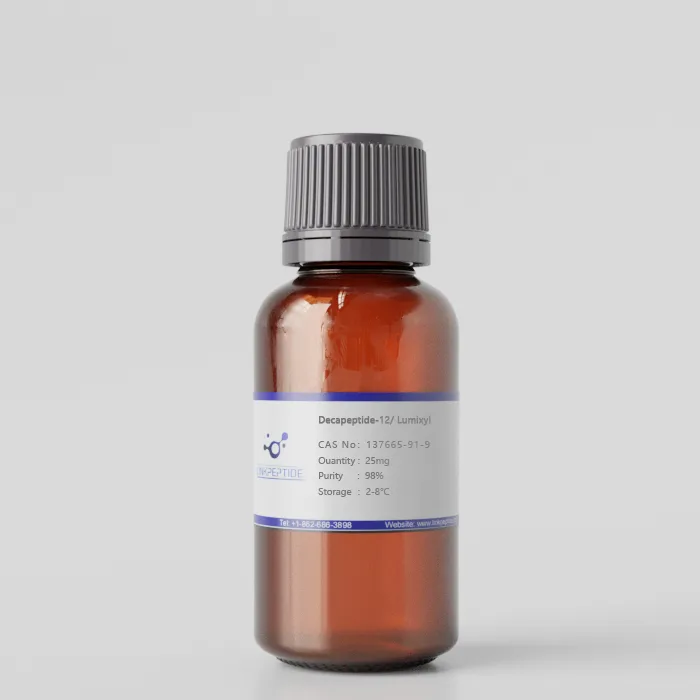
Decapeptide-12/ Lumixyl

Decapeptide-12/ Lumixyl

$285.00
Add Inquiry
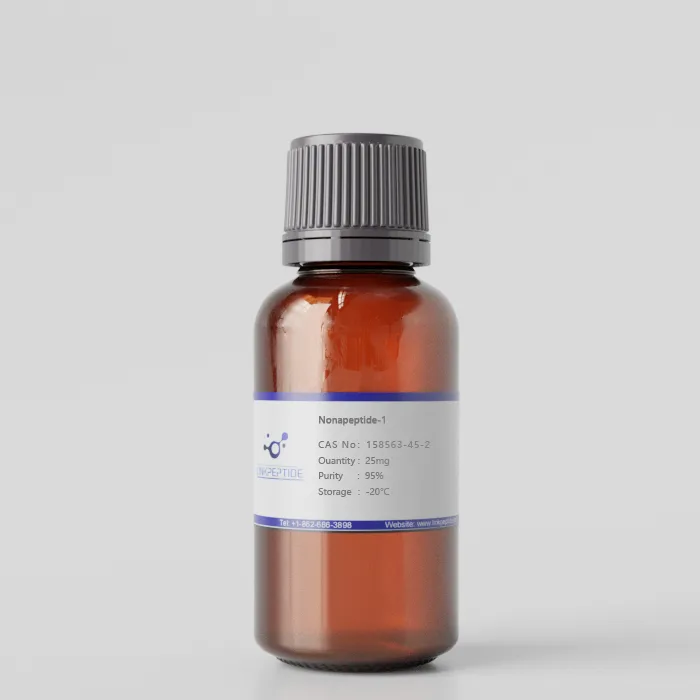
Nonapeptide-1

What Are Whitening & Pigmentation Peptides?

Whitening and pigmentation peptides are short synthetic peptides that modulate the biological processes responsible for melanin production in the skin. They typically act by inhibiting key enzymes or signaling pathways involved in melanogenesis, particularly tyrosinase activity. Unlike traditional chemical whitening agents, peptide-based solutions offer a more targeted and biologically compatible approach to skin tone regulation. Key characteristics include:
  • Regulation of melanin synthesis pathways
  • Inhibition of tyrosinase and related enzymes
  • Reduction of hyperpigmentation and dark spots
  • Improved skin tone uniformity and brightness
These peptides are widely used in cosmetic formulations focused on achieving a clearer, more luminous complexion.

Key Types of Whitening & Pigmentation Peptides

This category is structured around major mechanisms involved in pigmentation control :

Melanogenesis Inhibitors

These peptides target the overall melanin production process by regulating signaling pathways that control melanocyte activity. Key functions:
  • Reduce melanin synthesis
  • Suppress melanocyte activation
  • Prevent pigmentation buildup
Applications:
  • Skin brightening formulations
  • Hyperpigmentation treatments
  • Preventative skincare products

Tyrosinase Pathway Modulators

Tyrosinase is a key enzyme in melanin production. Peptides that modulate this pathway help control pigmentation at the enzymatic level. Key functions:
  • Inhibit tyrosinase activity
  • Reduce melanin formation
  • Improve skin clarity
Applications:
  • Dark spot correction products
  • Tone-evening skincare
  • Whitening serums

Skin Tone Brightening Peptides

These peptides enhance overall skin radiance by improving cellular turnover, reducing dullness, and promoting a more uniform complexion. Key functions:
  • Enhance skin luminosity
  • Improve texture and clarity
  • Support even skin tone
Applications:
  • Brightening skincare products
  • Daily maintenance formulations
  • Combination anti-aging treatments

Mechanism of Action in Skin Pigmentation

Whitening and pigmentation peptides act through targeted biological pathways: Inhibition of Tyrosinase Activity Peptides bind to or regulate tyrosinase, reducing its ability to catalyze melanin production. Regulation of Melanocyte Activity These peptides influence signaling pathways that control melanocyte function, reducing excessive pigmentation. Reduction of Melanin Transfer Some peptides help limit the transfer of melanin from melanocytes to keratinocytes, reducing visible pigmentation. Enhancement of Skin Renewal By promoting cell turnover, peptides help remove pigmented cells and improve skin brightness.

Applications in Cosmetic and Skincare Formulation

Whitening and pigmentation peptides are widely used in: Hyperpigmentation Treatment Reduce dark spots, melasma, and uneven pigmentation. Skin Brightening Products Enhance skin radiance and clarity for a more luminous appearance. Tone Correction Formulations Improve uneven skin tone and discoloration. Combination Anti-Aging Products Often used alongside anti-aging peptides to address both wrinkles and pigmentation.

Advantages of Whitening Peptides

Compared to traditional whitening agents:
  • Targeted biological action
  • Lower irritation potential
  • Compatible with sensitive skin formulations
  • Multi-functional benefits (brightening + anti-aging)
These advantages make peptide-based whitening solutions increasingly popular in advanced skincare.

Why Choose Linkpeptide Whitening & Pigmentation Peptides

  • High purity cosmetic-grade peptides
  • Consistent quality for reliable formulation results
  • Advanced peptide synthesis and modification capabilities
  • Stable and formulation-friendly peptide structures
  • Scalable supply for commercial skincare production

Custom Cosmetic Peptide Services

At Linkpeptide, we support innovation in skin brightening formulations:
  • Custom peptide design targeting melanogenesis pathways
  • Sequence optimization for enhanced efficacy
  • Stability and delivery optimization
  • Functional modifications (lipidation, encapsulation compatibility)
  • Bulk production for cosmetic manufacturers

FAQ

What are whitening peptides used for?

They are used to reduce hyperpigmentation, brighten skin tone, and improve overall skin clarity.

How do peptides reduce pigmentation?

They inhibit enzymes like tyrosinase and regulate melanocyte activity to reduce melanin production.

Are whitening peptides safe for skincare?

Yes, they are designed for targeted action and are generally well-tolerated in cosmetic formulations.

Can these peptides treat dark spots?

Yes, they are commonly used in formulations targeting dark spots and uneven skin tone.

Does Linkpeptide offer custom whitening peptides?

Yes, we provide custom synthesis and optimization services for pigmentation-targeting peptides.
Add InquiryUp to 12 can be added

No products in the cart.

