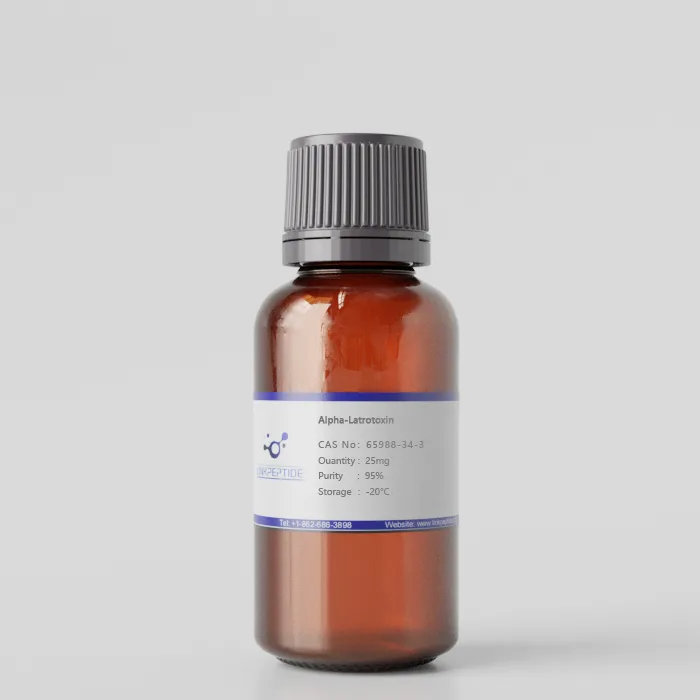
Product Name:Alpha-Latrotoxin
Synonyms:Alpha-Latrotoxin-Lt1a, Alpha-LTX-Lt1a, Alpha-LTX
CAS No:65988-34-3
Purity:95%
Molar Mass:130 kDa
Storage:Store at -20 degrees Celsius
Application:
Alpha-Latrotoxin is a powerful neurotoxin from the venom of the black widow spider (Latrodectus species), known for its ability to induce massive neurotransmitter release at nerve terminals. By binding to neurexins and latrophilins on the presynaptic membrane, it causes an excessive release of neurotransmitters, leading to symptoms such as intense pain, muscle spasms, and potentially paralysis. In research, Alpha-Latrotoxin is a valuable tool for studying synaptic transmission and the mechanisms of neurotransmitter release. Its unique action on presynaptic proteins provides critical insights into synaptic function and is instrumental in developing treatments for neurodegenerative diseases.
Current Research:
Alpha-Latrotoxin, a high-molecular-weight protein toxin, is derived from the venom of the black widow spider (Latrodectus species). Known for its ability to cause massive neurotransmitter release, this neurotoxin is a critical tool for studying synaptic transmission and vesicle exocytosis.
Mechanism of Action
Alpha-Latrotoxin primarily targets presynaptic nerve terminals, where it binds to two key receptors: latrophilin (a G-protein-coupled receptor) and neurexin (a synaptic cell adhesion molecule). Upon binding, the toxin triggers calcium-independent and calcium-dependent exocytosis of synaptic vesicles. This leads to the uncontrolled release of neurotransmitters, such as acetylcholine, dopamine, and glutamate, disrupting synaptic signaling.
In the presence of extracellular calcium, Alpha-Latrotoxin forms ion-permeable pores in the neuronal membrane, allowing calcium influx. This calcium entry amplifies neurotransmitter release, exacerbating synaptic activity. The dual receptor binding and pore-forming properties make Alpha-Latrotoxin a unique molecule for dissecting the mechanisms of vesicle release and receptor function.
Applications in Research
Neurotransmitter Release Studies: Alpha-Latrotoxin is widely used to investigate the processes of synaptic vesicle docking, priming, and fusion, offering insights into the fundamental mechanisms of neurotransmitter release.
Synaptic Plasticity: The toxin helps elucidate the role of calcium dynamics in synaptic plasticity, which is critical for learning and memory.
Drug Discovery: By modulating neurotransmitter release, Alpha-Latrotoxin serves as a model for developing therapeutics targeting synaptic disorders, including epilepsy, neurodegenerative diseases, and psychiatric conditions.
Structural Features
Alpha-Latrotoxin is a multimeric protein composed of several domains, including those responsible for receptor binding and pore formation. Its large size and structural complexity enable it to precisely interact with presynaptic components, making it a powerful tool in synaptic research.
Conclusion
Alpha-Latrotoxin remains an indispensable resource for studying synaptic transmission and vesicle exocytosis. Its unique ability to induce neurotransmitter release provides profound insights into neuronal communication and has broad implications for understanding and treating synaptic dysfunctions in neurological and psychiatric disorders.
Reference:
Get a Quote




 LinkPeptide