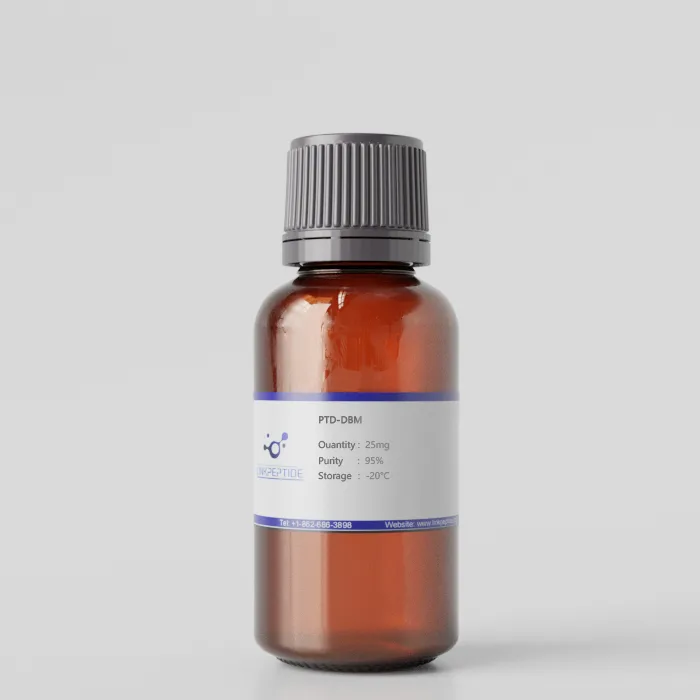
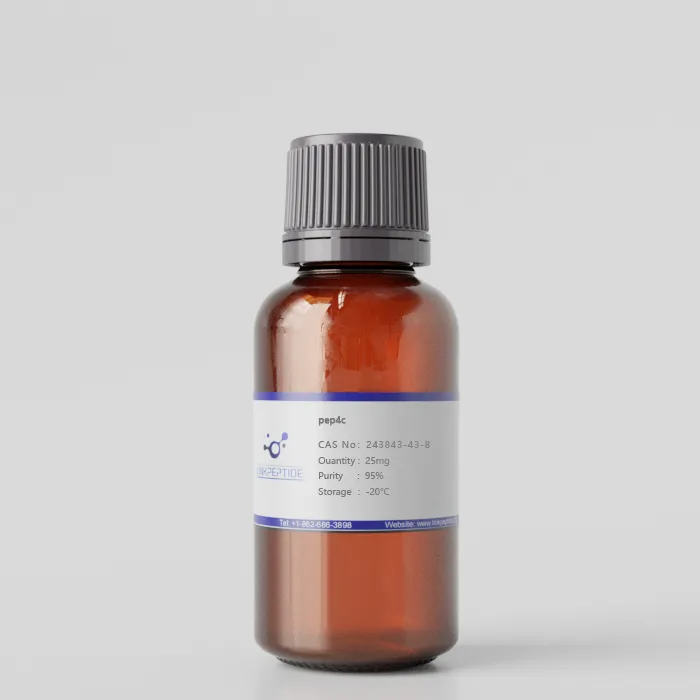
Product Name:PTD-DBM
Cas No:NA
Purity:95%
Chemical Formula:C124H223N61O28S2
Molar Mass:3080.7
Synonyms:Protein Transduction Domain-fused Dishevelled Binding Motif peptide, Hair growth peptide
Storage:-20 degree Celsius
Application:PTD-DBM is a synthetic peptide complex developed to activate Wnt/β-catenin signaling, primarily used in hair follicle regeneration and skin tissue repair research. It consists of a Protein Transduction Domain (PTD) linked to a Dishevelled-binding motif (DBM), enabling cellular entry and intracellular activation of Wnt target genes. PTD-DBM enhances β-catenin stabilization, promoting dermal papilla cell proliferation, hair cycling, and epithelial regeneration. This non-genetic Wnt pathway modulator offers a topical, localized mechanism to stimulate hair growth and rejuvenate skin, making it a promising research tool in alopecia, wound healing, and stem cell-based therapies.
Current Research:Introduction PTD-DBM is a bioactive peptide developed to modulate the Wnt/β-catenin pathway, a key signaling cascade involved in stem cell maintenance, hair follicle cycling, and skin tissue regeneration. The peptide is composed of two functional domains: A Protein Transduction Domain (PTD), which facilitates penetration across the cell membrane. A Dishevelled-Binding Motif (DBM), which targets the Dishevelled protein, a crucial component of the Wnt signaling cascade. This structure allows PTD-DBM to reach intracellular targets and regulate gene transcription associated with cellular proliferation and differentiation. Mechanism of Action Once applied to the skin or scalp, PTD-DBM enters cells via the PTD segment and interacts with the Dishevelled protein within the cytoplasm. Dishevelled is a central regulator that controls the stability of β-catenin, a transcription co-activator crucial for the expression of Wnt target genes. PTD-DBM interferes with the degradation of β-catenin, promoting its accumulation and translocation into the nucleus, where it activates genes responsible for: Cell proliferation Hair follicle reactivation Tissue regeneration Matrix remodeling This non-genetic activation of Wnt signaling is localized and reversible, making PTD-DBM especially appealing for topical research applications. Applications in Hair Growth PTD-DBM is extensively studied for its role in hair follicle regeneration. Key findings from in vitro and animal models include: Induction of anagen phase transition in resting (telogen) hair follicles Enhanced proliferation of dermal papilla cells Upregulation of hair-related genes such as AXIN2, LEF1, and Cyclin D1 Improved scalp microenvironment through stimulation of epithelial and vascular cells These actions support its use in research on androgenetic alopecia, telogen effluvium, and stress-related hair loss, particularly when non-invasive, topical solutions are preferred. Epithelial and Skin Regeneration Beyond hair regrowth, PTD-DBM promotes skin tissue repair and re-epithelialization. It has been shown to: Stimulate fibroblast proliferation and collagen synthesis Promote keratinocyte migration, essential for wound closure Enhance angiogenesis, improving nutrient delivery to regenerating tissue These effects make PTD-DBM relevant in the study of wound healing, photoaging, and skin rejuvenation. Its role in activating resident stem cells within the basal layer also supports research into non-invasive regenerative dermatology. Formulation and Delivery For research use, PTD-DBM is typically delivered via: Topical emulsions or serums for direct application to the skin or scalp Microneedle-assisted delivery to enhance dermal penetration Hydrogel or lipid-based systems for sustained release Its PTD structure allows for efficient uptake without the need for chemical enhancers or injections. Safety and Tolerability Preclinical studies have reported high tolerability of PTD-DBM in both in vitro and topical in vivo applications. It is non-genotoxic, non-immunogenic, and does not disrupt normal cellular function when used at recommended concentrations. Its action is transient and reversible, which adds to its safety profile in long-term skin and hair studies. Conclusion PTD-DBM is a potent, precision-designed peptide that enables non-genetic activation of Wnt/β-catenin signaling in skin and hair follicles. It offers a robust platform for research into hair regeneration, tissue repair, and stem cell activation, with applications in both cosmeceutical innovation and regenerative dermatology. Its unique structure allows for efficient delivery and targeted biological action, making it an essential peptide in topical bioactive research.
Reference:
Get a Quote
 LinkPeptide