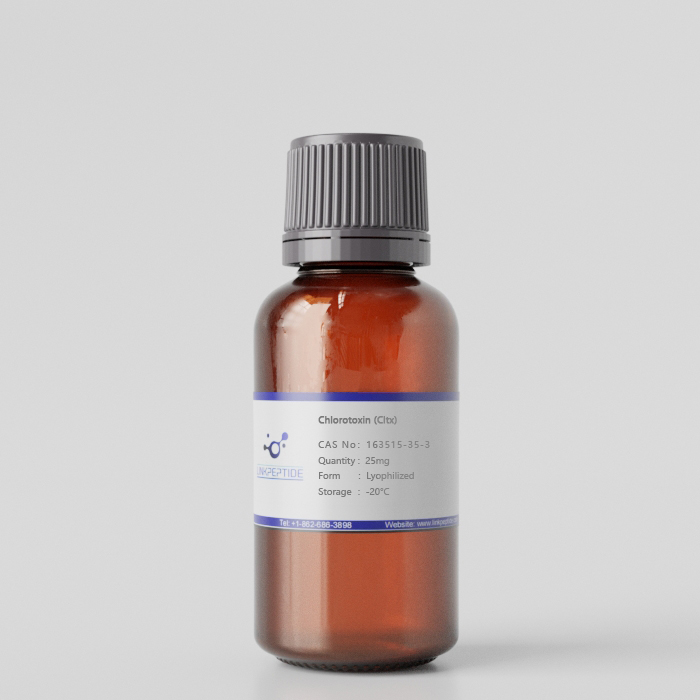
Product Name: Adegramotide
Form: Free base
CAS No: 1252802-98-4
Molar Mass: 1819.02
Chemical Formula: C87H123N19O24
Synonyms: DSR-131617
Storage: Store at -20℃
Sequence: WAPVLDFAPPGASAYGSL
Application:
Adegramotide (CAS: 1252802-98-4) is a novel peptide-based compound currently under investigation for its therapeutic potential in various medical conditions, particularly in the field of oncology. This peptide exhibits unique properties that make it a promising candidate for targeted therapy against specific molecular pathways involved in cancer progression and metastasis. Adegramotide is designed to interact with specific receptors or proteins present on cancer cells, thereby disrupting crucial signaling pathways that promote tumor growth and spread. By targeting these pathways, adegramotide aims to inhibit cancer cell proliferation, induce apoptosis (cell death), and potentially enhance the efficacy of existing cancer treatments such as chemotherapy and targeted therapy. In preclinical studies, adegramotide has demonstrated encouraging results in inhibiting tumor growth and metastasis in various cancer models, suggesting its potential as a therapeutic agent for cancer treatment. Clinical trials are currently underway to evaluate the safety, efficacy, and therapeutic potential of adegramotide in cancer patients, with the goal of providing new treatment options for individuals affected by this complex and challenging disease. If successful, adegramotide could represent a significant advancement in cancer therapy, offering a targeted approach to treating malignancies and improving patient outcomes.
Current Research:
Adegramotide is an investigational peptide-based immunotherapy designed to activate and enhance the body’s immune system to target and destroy cancer cells. As a promising candidate in cancer immunotherapy, Adegramotide works by stimulating specific immune responses against tumor-associated antigens, particularly in solid tumors. The peptide-based therapy is being explored for its potential in treating various types of cancer, including melanoma, non-small cell lung cancer (NSCLC), and other solid tumors.
Mechanism of Action
Adegramotide is a synthetic peptide that targets specific tumor-associated antigens (TAAs) present on the surface of cancer cells. By presenting these antigens to the immune system, Adegramotide aims to prime T-cells and other components of the immune system to recognize and attack tumor cells more effectively.
The peptide works by binding to the major histocompatibility complex (MHC) on the surface of antigen-presenting cells (APCs). This binding facilitates the activation of cytotoxic T lymphocytes (CTLs), which are specialized immune cells that can specifically identify and destroy tumor cells. By enhancing the body’s natural immune response, Adegramotide offers a more targeted and less toxic alternative to traditional chemotherapy and radiation therapies, which often cause significant collateral damage to healthy tissues.
In preclinical studies, Adegramotide has shown the ability to not only induce a potent anti-tumor immune response but also to promote the formation of memory T-cells. This memory response could potentially offer long-term protection against cancer recurrence, making it a promising candidate for cancer immunotherapy.
Current Research and Development
Adegramotide is currently undergoing early-phase clinical trials to assess its safety, immunogenicity, and efficacy in treating solid tumors. Early studies have focused on melanoma and non-small cell lung cancer, where the peptide has demonstrated encouraging results in terms of safety and immune response activation.
One of the key trials investigating Adegramotide is a Phase 1/2 study that aims to evaluate the peptide in combination with immune checkpoint inhibitors, such as pembrolizumab (Keytruda). Early data from this trial suggest that combining Adegramotide with checkpoint inhibitors may enhance anti-tumor activity and improve patient outcomes by boosting both innate and adaptive immune responses.
Furthermore, research is ongoing into the potential use of Adegramotide in combination with other targeted therapies or in neoadjuvant settings to treat cancers before surgery or other interventions. Preliminary results indicate that the peptide could improve the efficacy of combination therapies by activating immune responses in tumors that are otherwise resistant to conventional treatment.
Advantages Over Traditional Cancer Therapies
Adegramotide offers several key advantages over traditional cancer treatments. First and foremost, it is designed to specifically target tumor cells, minimizing the damage to healthy cells that is characteristic of chemotherapy and radiation therapies. This specificity could result in a better side effect profile, making the treatment more tolerable for patients.
Additionally, the potential for a durable immune memory response means that Adegramotide could offer long-term protection against cancer recurrence. This is particularly valuable in cancers with high rates of relapse, such as melanoma, where current treatments may not always prevent long-term disease progression.
Another important advantage is the potential synergy with other immunotherapeutic agents. Immune checkpoint inhibitors, such as anti-PD-1/PD-L1 therapies, have revolutionized cancer treatment, but many patients do not respond adequately to these agents alone. Adegramotide, when used in combination, could help overcome resistance mechanisms and boost the overall effectiveness of immunotherapy.
Future Directions
As clinical trials progress, the future of Adegramotide looks promising, with potential applications extending to other types of cancer and advanced stages of disease. Ongoing studies are expected to explore its use in combination with a wider array of immunotherapies, including other checkpoint inhibitors, monoclonal antibodies, and even CAR-T cell therapies.
Furthermore, research is underway to identify specific biomarkers that could predict which patients will benefit most from Adegramotide treatment. Personalized cancer therapies, tailored to the patient’s unique tumor profile, are a key focus in oncology, and Adegramotide’s ability to selectively target tumor-associated antigens makes it an attractive candidate for personalized treatment regimens.
Ultimately, Adegramotide has the potential to become an integral part of the next generation of cancer immunotherapies, offering a more precise, targeted, and effective approach to cancer treatment with fewer side effects and better outcomes for patients.
Reference:
Get a Quote
 LinkPeptide