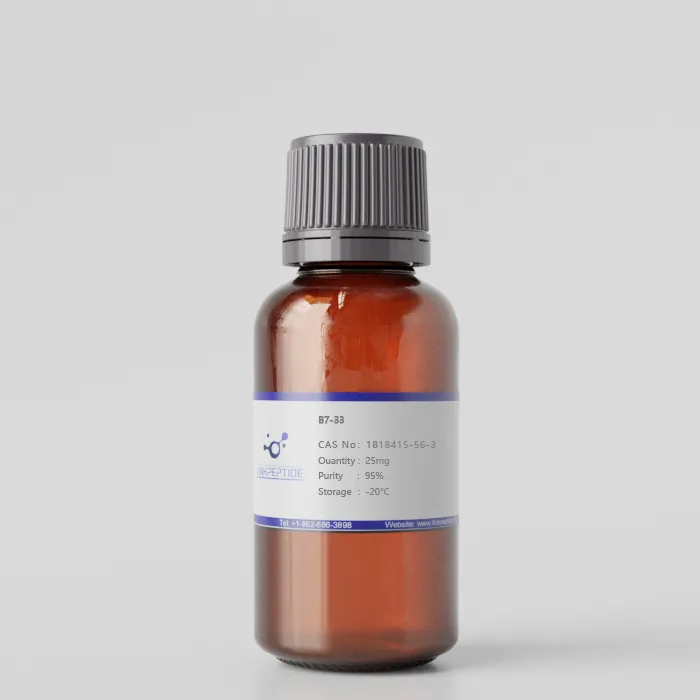
Product Name: Angiotensin II
Form: Free base
CAS No: 4474-91-3
Molar Mass: 1046.18
Chemical Formula: C50H71N13O12
Storage: Store at -20℃
Sequence: DRVYIHPF
Target: AT1 Receptor
Application:
Angiotensin II (CAS: 4474-91-3) is a potent vasoconstrictor peptide hormone that plays a central role in regulating blood pressure and fluid balance. It is formed through the enzymatic cleavage of angiotensin I by angiotensin-converting enzyme (ACE). Angiotensin II acts on angiotensin receptors, particularly the type 1 receptor (AT1 receptor), located in vascular smooth muscle cells, adrenal glands, and the brain. Upon binding to AT1 receptors, angiotensin II induces vasoconstriction, aldosterone release, sodium retention, and sympathetic nervous system activation, leading to increased blood pressure and fluid volume. In pharmaceutical chemistry, angiotensin II and its receptor antagonists represent important targets for the management of hypertension, heart failure, and kidney disease. Angiotensin II receptor blockers (ARBs) and ACE inhibitors are commonly prescribed medications that modulate the renin-angiotensin-aldosterone system to lower blood pressure and reduce cardiovascular risk. Understanding the biochemistry and pharmacology of angiotensin II has paved the way for the development of effective antihypertensive therapies, improving outcomes for patients with cardiovascular diseases. Additionally, ongoing research continues to elucidate the role of angiotensin II in various physiological processes and explore novel therapeutic strategies targeting this pathway.
Current Research:
Angiotensin II is a potent vasoconstrictor and a key regulator of blood pressure and fluid balance in the body. It is part of the renin-angiotensin-aldosterone system (RAAS), a critical hormonal pathway involved in cardiovascular homeostasis. Angiotensin II plays an essential role in the pathophysiology of various cardiovascular and renal diseases, including hypertension, heart failure, and chronic kidney disease. It is synthesized from angiotensin I by the enzyme angiotensin-converting enzyme (ACE). In clinical settings, synthetic forms of angiotensin II may be used to manage hypotension, particularly in critically ill patients, or in research to understand its broader physiological effects.
Mechanism of Action
Angiotensin II exerts its effects through specific receptors known as AT1 and AT2 receptors. The predominant effects of Angiotensin II are mediated through the AT1 receptor, leading to vasoconstriction, increased blood pressure, and fluid retention. Angiotensin II induces vasoconstriction by binding to AT1 receptors on smooth muscle cells, which results in the activation of intracellular signaling pathways that increase calcium influx, causing smooth muscle contraction. This vasoconstriction increases systemic vascular resistance (afterload) and elevates blood pressure. Additionally, angiotensin II stimulates aldosterone release from the adrenal glands, which in turn promotes sodium and water retention in the kidneys, further contributing to increased blood volume and pressure. The AT2 receptor, although less understood, is thought to counteract some of the effects of AT1 receptor activation, potentially playing a role in vasodilation and tissue repair.
Indications and Uses
Angiotensin II, as a pharmaceutical agent, is used primarily in the treatment of hypotension in critically ill patients, particularly those with shock due to conditions like septic shock or cardiogenic shock. It is administered intravenously to increase blood pressure by inducing vasoconstriction and promoting fluid retention, effectively improving perfusion in vital organs. In the context of research, angiotensin II is studied for its role in diseases like hypertension, heart failure, stroke, and chronic kidney disease. By understanding how Angiotensin II affects the cardiovascular and renal systems, researchers aim to develop better therapies targeting the RAAS pathway to manage these conditions more effectively.
Efficacy and Clinical Benefits
The clinical benefits of Angiotensin II in acute hypotensive states are well documented. By acting as a vasoconstrictor, it rapidly increases systemic blood pressure and improves organ perfusion, which is crucial in conditions like septic shock, where maintaining blood pressure is vital for preventing organ failure. Studies have shown that Angiotensin II therapy can help stabilize patients, particularly those who are resistant to other vasopressors, like norepinephrine. Additionally, its effects on aldosterone release help maintain intravascular volume, further supporting blood pressure control and improving hemodynamic stability in critically ill patients. However, its use is generally short-term, and it is typically part of a broader management strategy that includes other therapies such as fluids, antibiotics, or inotropic agents.
Safety and Tolerability
Angiotensin II is generally well tolerated when used in appropriate clinical settings, but its use must be carefully monitored due to the potential for significant increases in blood pressure, particularly in patients who are already hypertensive. The main side effects include excessive vasoconstriction, which can exacerbate conditions like heart failure or cause ischemia in certain organs. Renal function should also be closely monitored, as angiotensin II-induced aldosterone secretion can lead to fluid and sodium retention, potentially resulting in renal dysfunction or edema. Other potential adverse effects include hyperkalemia, hypertension, and in some cases, arrhythmias due to the fluid and electrolyte shifts.
Advantages and Limitations
The primary advantage of Angiotensin II is its rapid onset of action and potent ability to increase blood pressure in patients with shock, which is particularly beneficial when other vasopressors fail. It has been shown to be effective in improving clinical outcomes, including reducing the incidence of renal failure in critically ill patients. However, its use is limited to acute settings, and it requires careful monitoring to avoid complications such as excessive blood pressure elevation and fluid overload. Long-term use of Angiotensin II is generally avoided due to its potential to exacerbate conditions like hypertension or heart failure.
Future Directions
Research into Angiotensin II continues, particularly with a focus on understanding its role in chronic diseases like hypertension, heart failure, and chronic kidney disease. By targeting specific components of the RAAS pathway, including Angiotensin II, researchers are working on developing therapies that can more effectively modulate blood pressure and fluid balance in these conditions. Additionally, novel formulations or delivery methods for Angiotensin II may improve patient management, potentially extending its use beyond acute settings. Investigations into the potential benefits of Angiotensin II in other vascular diseases, such as stroke or pulmonary arterial hypertension, are also ongoing.
Reference:
Get a Quote
 LinkPeptide