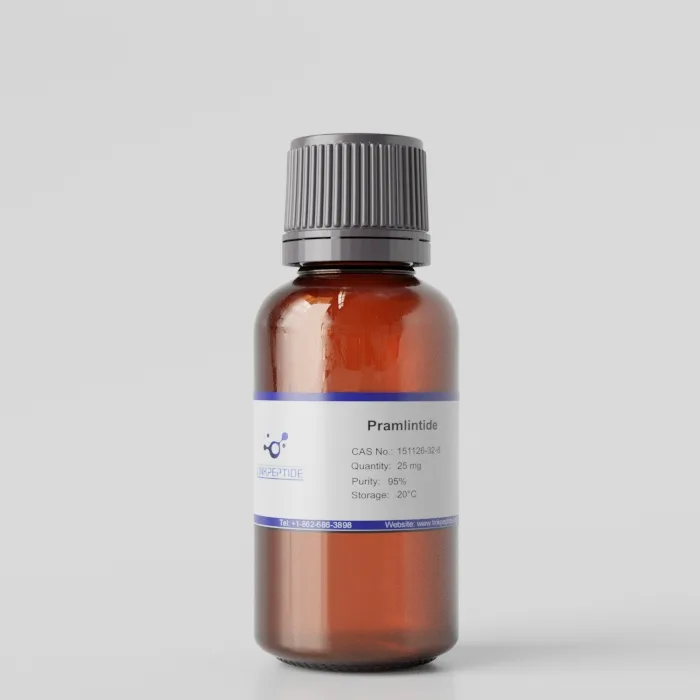
Product Name: Pramlintide
CAS No: 151126-32-8
Molar Mass: 3949.39
Chemical Formula: C171H267N51O53S2
Synonyms: Triproamylin, Amylin (human), 25-L-proline-28-L-proline-29-L-proline- (9CI), Pramlintide
Storage: Store at -20℃
Sequence: KCNTATCATQ RLANFLVHSS NNFGPILPPT NVGSNTY
Target: HT-29
Application:
Pramlintide (CAS: 151126-32-8) is a notable pharmaceutical compound designed to complement insulin therapy in diabetes management. Functioning as an amylin analogue, pramlintide acts by mimicking the action of the endogenous hormone amylin, which is co-secreted with insulin. By slowing gastric emptying, suppressing glucagon release, and promoting satiety, pramlintide aids in postprandial glucose regulation. Its primary target is the amylin receptor, strategically addressing challenges in blood glucose control, especially during meals. Widely used in conjunction with insulin, pramlintide helps reduce post-meal glucose spikes and enhances overall glycemic control in individuals with type 1 and type 2 diabetes. The compound's unique mechanism of action makes it a valuable addition to pharmaceutical strategies, offering a comprehensive approach to address various facets of diabetes pathology and improve patient outcomes.
Current Research:
Pramlintide is a synthetic analog of the naturally occurring hormone amylin, which is co-secreted with insulin by pancreatic beta cells. It is primarily used as an adjunct treatment for individuals with type 1 and type 2 diabetes who are not achieving adequate glucose control with insulin alone. Pramlintide’s unique mechanism of action makes it particularly valuable in managing blood glucose fluctuations, particularly after meals. By mimicking the effects of amylin, pramlintide offers a complementary approach to insulin therapy, helping to regulate glucose levels while also promoting satiety and weight management.
Mechanism of Action
Pramlintide functions by mimicking amylin, a hormone that plays an important role in glucose regulation. It helps to lower blood glucose by several mechanisms: inhibiting glucagon secretion (which reduces hepatic glucose production), slowing gastric emptying (leading to a sense of fullness and reduced food intake), and promoting satiety. By controlling postprandial glucose spikes, pramlintide complements insulin’s effects and enhances overall glycemic control. This combination of actions helps reduce the need for higher insulin doses, which can prevent hypoglycemia and improve overall diabetes management.
Postprandial Glucose Control
One of pramlintide’s key benefits is its ability to control postprandial glucose spikes. After meals, insulin alone may not sufficiently regulate the rapid rise in blood sugar, leading to hyperglycemia. Pramlintide addresses this by slowing gastric emptying, which reduces the speed at which glucose from food enters the bloodstream. Additionally, its ability to suppress glucagon secretion helps prevent the liver from producing excess glucose, thereby minimizing the postprandial rise in blood glucose. This makes pramlintide particularly useful for individuals with type 1 and type 2 diabetes who experience significant postprandial glucose fluctuations.
Weight Management
Pramlintide has been shown to contribute to weight loss, a beneficial side effect for individuals with type 2 diabetes, many of whom are overweight or obese. Its ability to promote satiety helps reduce food intake, leading to reduced calorie consumption and gradual weight loss. Unlike insulin, which can sometimes lead to weight gain, pramlintide’s effects on appetite regulation provide an additional benefit in managing body weight. This makes pramlintide a useful adjunct therapy for patients who need to address both glucose control and weight management simultaneously.
Use in Type 1 and Type 2 Diabetes
Pramlintide is approved for use in both type 1 and type 2 diabetes. In type 1 diabetes, it helps regulate glucose levels when insulin therapy alone is insufficient, particularly in reducing postprandial glucose excursions. In type 2 diabetes, pramlintide can be added to insulin therapy when patients experience difficulty achieving optimal glucose control with insulin alone. Its effects on satiety and weight loss are particularly beneficial for type 2 diabetes patients, who often struggle with weight management. Pramlintide is typically administered as an injectable, taken immediately before meals to optimize its effects on glucose regulation.
Safety and Tolerability
Pramlintide is generally well tolerated, although the most common side effects are gastrointestinal in nature, including nausea, vomiting, and a feeling of fullness. These side effects tend to decrease over time as the body adjusts to the medication. Because of its action on gastric emptying, some patients may experience delayed gastric emptying, which can contribute to these symptoms. As with other injectable therapies, proper injection technique is important to minimize injection site reactions. Pramlintide should be used with caution in individuals prone to hypoglycemia, as it may affect insulin dosing and timing. Close monitoring is recommended, especially when starting pramlintide therapy or adjusting insulin dosages.
Combination Therapy
Pramlintide is often used in combination with insulin therapy to improve overall glycemic control. Its ability to complement insulin’s action, particularly in managing postprandial glucose levels, makes it an ideal adjunct therapy. Since pramlintide helps to reduce glucose fluctuations without the risk of causing hypoglycemia on its own, it allows for more precise insulin dosing and can help lower the total insulin requirements. Combining pramlintide with insulin therapy also provides a way to achieve weight loss or weight maintenance, a critical goal in managing type 2 diabetes.
Get a Quote
 LinkPeptide