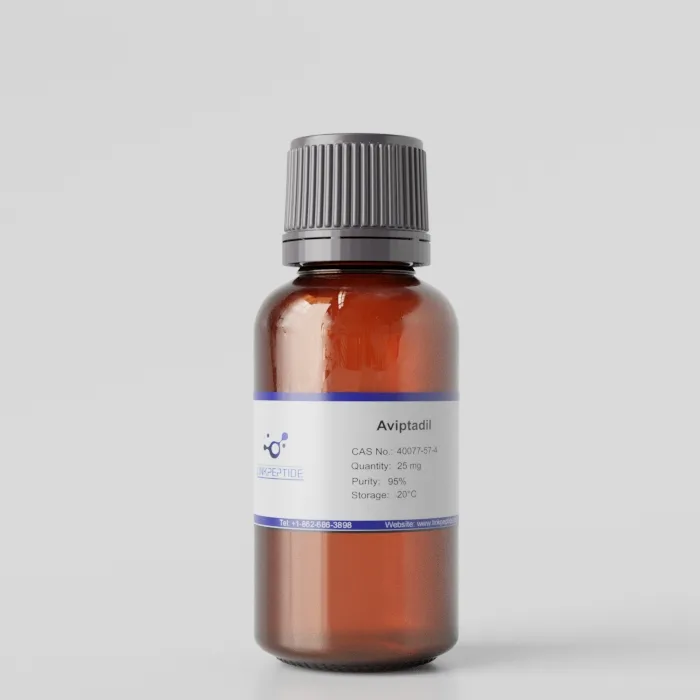
Product Name: Aviptadil
Form: Acetate salt
CAS No: 40077-57-4
Molar Mass: 3325.8
Chemical Formula: C147H238N44O42S
Synonyms: RLF 100, Zyesami, VIP
Storage: Store at -20℃
Sequence: HSDAVFTDNY TRLRKQMAVK KYLNSILN
Application:
Aviptadil (CAS: 40077-57-4), also known as vasoactive intestinal polypeptide (VIP), is a peptide drug that acts as a vasodilator and neuromodulator. It primarily targets VIP receptors, exerting its effects on smooth muscle relaxation, vasodilation, and neurotransmitter regulation. Aviptadil has various pharmaceutical applications, including the treatment of erectile dysfunction, pulmonary hypertension, and gastrointestinal disorders. In the field of pharmaceutical chemistry, aviptadil's ability to modulate vascular tone and neurotransmitter release makes it a valuable candidate for research into novel therapies for conditions such as asthma, migraine, and inflammatory bowel disease. Additionally, its potential as a neuroprotective agent is being explored for the management of neurological disorders like Alzheimer's disease and Parkinson's disease.
Current Research:
Aviptadil is a synthetic form of vasoactive intestinal peptide (VIP), a naturally occurring neuropeptide involved in various physiological processes, including vasodilation, anti-inflammatory effects, and the regulation of smooth muscle tone. It has been explored for its potential in treating respiratory diseases, particularly in patients with acute respiratory distress syndrome (ARDS) and severe COVID-19, where its anti-inflammatory and bronchodilatory properties can help improve lung function. While its primary focus has been on lung-related conditions, aviptadil’s broader therapeutic effects also make it a candidate for a range of diseases, including those involving the cardiovascular system and nervous system.
Mechanism of Action
Aviptadil works by binding to the VIP receptor (VPAC1), which results in the activation of intracellular signaling pathways that mediate smooth muscle relaxation, vasodilation, and inhibition of inflammatory cytokine release. This helps improve blood flow and reduces airway constriction in the lungs, which can alleviate symptoms of ARDS, asthma, and chronic obstructive pulmonary disease (COPD). Aviptadil also has a neuroprotective effect, potentially protecting nerve cells from damage in various neuropathies and promoting healing after injury, thanks to its ability to regulate immune responses and cellular metabolism.
Lung Disease and COVID-19 Treatment
Aviptadil has gained attention for its use in treating ARDS, a condition where inflammation and fluid accumulation impair oxygen exchange in the lungs. Studies suggest that its anti-inflammatory and vasodilatory effects could improve oxygenation and reduce the severity of ARDS, particularly in patients with severe cases of COVID-19. VIP’s ability to modulate the immune response and protect against excessive inflammation has made it a promising adjunct in the management of viral respiratory diseases, where inflammation often exacerbates tissue damage.
Cardiovascular and Neurological Potential
Beyond its respiratory effects, aviptadil has been investigated for potential use in cardiovascular and neurological conditions. The peptide’s vasodilatory properties could make it beneficial for treating conditions like pulmonary hypertension and heart failure, where blood flow is impaired. Additionally, in neurological diseases, such as ischemic stroke or neurodegenerative disorders, aviptadil may offer neuroprotective benefits by reducing oxidative stress and modulating neuronal inflammation. Early studies suggest that it might aid in the recovery of damaged tissues and restore normal blood flow to critical areas of the brain and heart.
Safety and Tolerability
Aviptadil is generally well tolerated, but like any vasoactive drug, it can have side effects related to its action on blood pressure and the vasculature, such as hypotension or dizziness. These effects are typically dose-dependent and can be mitigated with careful monitoring. Given its ability to influence immune responses, long-term use in chronic conditions may require additional caution to monitor for any adverse immune reactions or changes in inflammatory markers. As with any novel therapy, aviptadil’s safety profile will continue to be studied as more data becomes available, particularly in long-term use.
Future Directions
Aviptadil's current use in treating ARDS and COVID-19 shows significant promise, but ongoing research is exploring its applications in other respiratory conditions like asthma and COPD. Furthermore, its potential use in treating vascular diseases and neurodegenerative disorders could open new therapeutic avenues for this peptide, particularly in improving quality of life for patients suffering from chronic inflammatory diseases. Clinical trials will help clarify the long-term benefits and risks of aviptadil in various settings, but its versatility as a therapeutic agent continues to make it a topic of interest in diverse medical fields.
Reference:
Get a Quote
 LinkPeptide