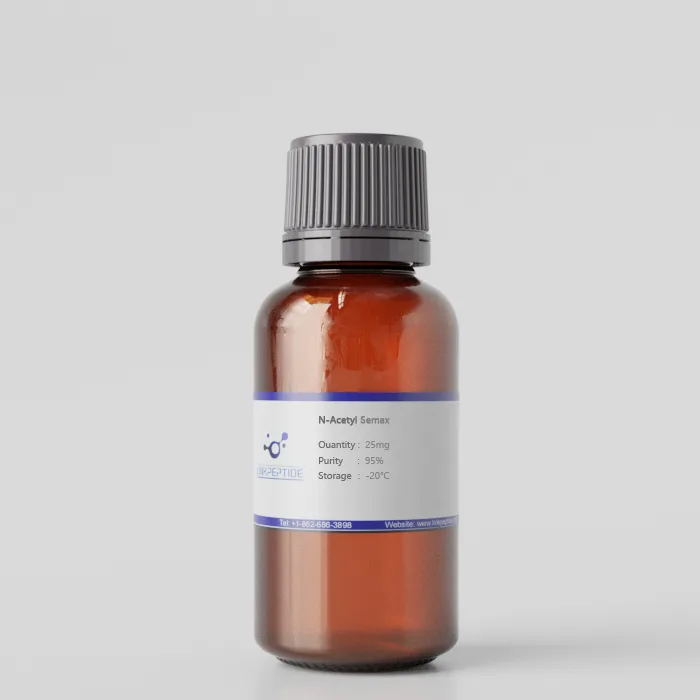
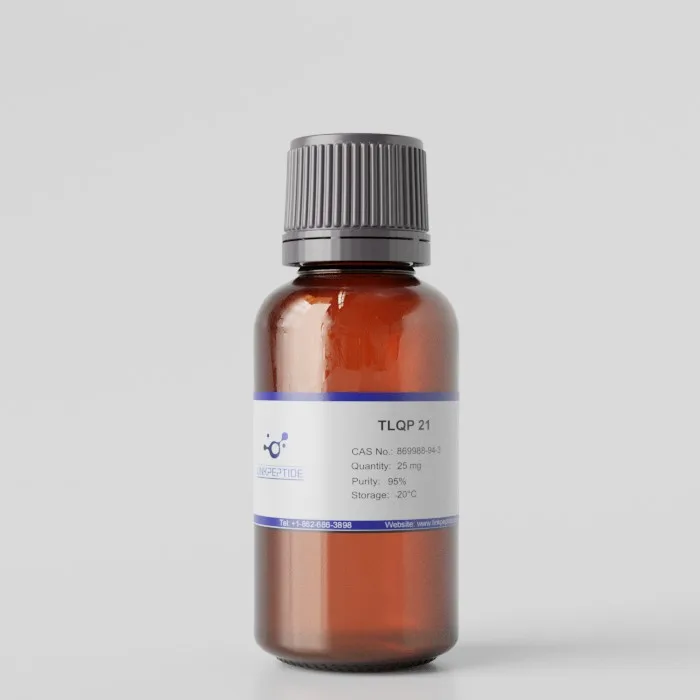
Product Name:N-Acetyl Semax
Cas No:NA
Purity:95%
Chemical Formula:C37H51N9O10S
Molar Mass:858.97
Storage:-20 degree Celsius
Application:N-Acetyl Semax is a chemically modified analog of the synthetic neuropeptide Semax (Met-Glu-His-Phe-Pro-Gly-Pro), featuring N-terminal acetylation for enhanced metabolic stability and prolonged activity. It is derived from adrenocorticotropic hormone (ACTH 4–10) and designed for use in studies on cognitive function, neuroprotection, stroke recovery, and immune-neuroendocrine modulation. N-Acetyl Semax supports BDNF expression, improves dopaminergic and serotonergic signaling, and reduces oxidative and inflammatory stress. With applications in models of ischemic injury, neurodegeneration, learning disorders, and stress-induced cognitive decline, it is a potent research tool for advancing peptide-based neurotherapeutics.
Current Research:
Introduction: What Is N-Acetyl Semax? Semax is a synthetic heptapeptide derived from a fragment of ACTH (adrenocorticotropic hormone 4–10), initially developed in Russia for its neuroprotective and cognitive-enhancing properties. N-Acetyl Semax is an acetylated variant, modified at the N-terminus to improve resistance to enzymatic degradation and enhance bioavailability, particularly for systemic and intranasal delivery. Both Semax and its analogs, including N-Acetyl Semax, are considered nootropic and neurorestorative peptides, often used in models of stroke, traumatic brain injury (TBI), neuroinflammation, and cognitive dysfunction. Mechanisms of Action: Multifactorial Neuroprotection N-Acetyl Semax acts through several overlapping mechanisms: Upregulation of neurotrophic factors: Especially BDNF (Brain-Derived Neurotrophic Factor), crucial for learning, synaptic plasticity, and post-injury recovery. Modulation of monoamines: Enhances dopamine, serotonin, and norepinephrine turnover, contributing to mood balance and cognitive sharpness. Inhibition of pro-inflammatory cytokines: Reduces IL-6, TNF-α, and IL-1β, particularly in neuroinflammatory or ischemic settings. Antioxidant activity: Limits reactive oxygen species (ROS) production and protects mitochondrial function. This multimodal action allows N-Acetyl Semax to be effective in conditions that combine neurological, inflammatory, and oxidative components. Cognitive Enhancement and Nootropic Properties Semax has been used clinically in Russia for decades as a cognitive enhancer, and its acetylated analog demonstrates improved efficacy due to longer systemic presence. In experimental models, N-Acetyl Semax improves: Memory consolidation and retrieval Learning performance under stress Executive function and working memory It has shown promise in reversing scopolamine-induced amnesia, countering cognitive decline in aging, and supporting attention and alertness under fatigue. Its nootropic profile is particularly attractive for exploring non-stimulant cognitive support, especially in attention-deficit disorders or post-concussive recovery. Neuroprotection in Stroke and Ischemia One of the most robust areas of N-Acetyl Semax research is in ischemic stroke and cerebrovascular injury. It has been shown to: Reduce neuronal apoptosis and infarct size Enhance motor and cognitive recovery Promote angiogenesis and neurogenesis Stabilize the blood-brain barrier (BBB) These effects are largely mediated by BDNF signaling, oxidative stress control, and modulation of glial cell responses, making it a valuable compound in both acute and chronic stroke models. Anti-Inflammatory and Immune Effects Like Semax, the N-acetylated version modulates immune pathways involved in neuroimmune crosstalk: Reduces systemic and CNS cytokines during inflammatory challenges Normalizes stress-induced immune dysregulation Shows benefits in models of chronic fatigue, long-COVID, and autoimmune-linked cognitive dysfunction Its unique profile—reducing inflammation without suppressing normal immune function—makes it a safe adjunct in neuroinflammatory research, contrasting with traditional corticosteroids or immunosuppressants. Mood, Stress, and Neuroendocrine Modulation N-Acetyl Semax has demonstrated antidepressant-like activity in preclinical studies, particularly under chronic stress paradigms. It stabilizes HPA axis activity, reduces corticosterone spikes, and prevents stress-induced cognitive decline. This points to its potential utility in: Stress-related mood disorders Burnout and fatigue syndromes Post-traumatic stress disorder (PTSD) research Its effects are mediated through limbic system modulation, neurotrophic support, and enhanced monoaminergic resilience. Conclusion: A Powerful Neuropeptide for Brain Resilience N-Acetyl Semax is a highly promising tool in neuroprotection, cognitive enhancement, and stress regulation research. With a well-characterized safety profile and enhanced stability, it serves as a refined version of classic Semax, ideal for longer-acting interventions. Whether in stroke recovery, age-related cognitive decline, or stress-induced impairment, N-Acetyl Semax offers a multifaceted, non-stimulant approach to supporting brain health.
Reference:
Get a Quote
 LinkPeptide