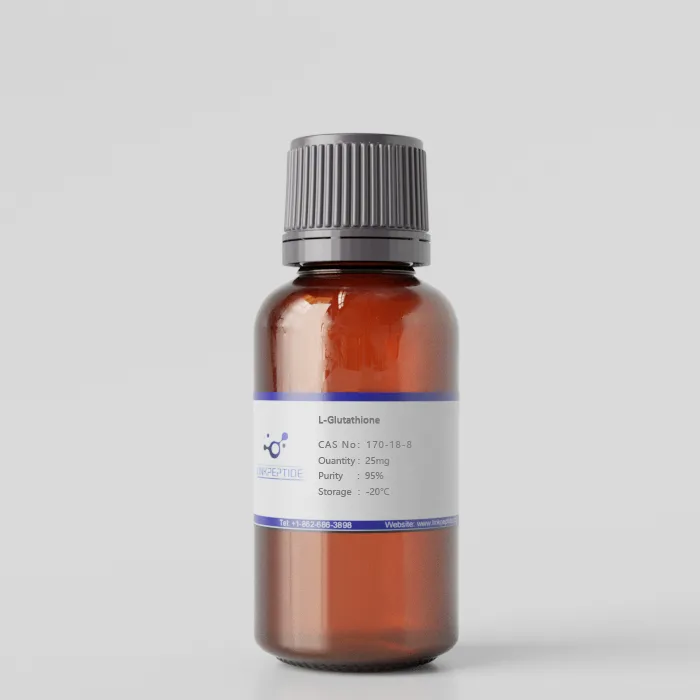
Product Name:L-Glutathione
Form: Free base
CAS No:70-18-8
Molar Mass:307.33
Purity:95%
Chemical Formula:C10H17N3O6S
Storage:-20°C
Application:
L-Glutathione is a naturally occurring antioxidant in the body, composed of three amino acids: glutamine, cysteine, and glycine. It plays a vital role in neutralizing free radicals and reactive oxygen species, protecting cells from oxidative damage. L-Glutathione also supports detoxification processes in the liver, aids in the immune system's function, and helps maintain the proper functioning of enzymes involved in metabolic processes. Its levels may decline with age, chronic diseases, or environmental stressors, leading to interest in supplementation. L-Glutathione is often used for its potential benefits in enhancing skin health, reducing inflammation, and promoting overall well-being.
Current Research:
Recent research has increasingly focused on L-Glutathione’s role in aging, immune health, and its potential therapeutic benefits for various diseases. As a powerful antioxidant, L-Glutathione plays a significant part in protecting cells from oxidative damage, which is associated with aging and the development of chronic diseases. Studies have indicated that L-Glutathione supplementation can improve the body's ability to combat oxidative stress, with potential applications in conditions such as neurodegenerative diseases, cardiovascular diseases, and liver dysfunction.
A study published in Free Radical Biology and Medicine (2023) explored L-Glutathione's effects on aging. Researchers found that boosting glutathione levels in older adults helped reduce the biomarkers of oxidative stress, leading to improvements in cognitive function and physical performance. This suggests that L-Glutathione may be a key factor in slowing down age-related decline.
In liver health, L-Glutathione supplementation has been examined for its ability to support detoxification. A recent clinical trial published in Hepatology Research (2024) showed that L-Glutathione significantly improved liver function in individuals with non-alcoholic fatty liver disease (NAFLD). This finding underscores L-Glutathione’s potential as a supportive therapy for metabolic liver conditions.
Furthermore, L-Glutathione’s impact on skin health has been a subject of interest in cosmetic medicine. A study in the Journal of Dermatological Science (2023) demonstrated that L-Glutathione supplementation may help lighten skin by inhibiting melanin production, making it a popular ingredient in skincare products aimed at reducing pigmentation.
Ongoing research continues to uncover L-Glutathione’s broad spectrum of benefits, particularly in aging and chronic disease management, highlighting its potential as both a preventative and therapeutic agent.
Reference:
Get a Quote
 LinkPeptide