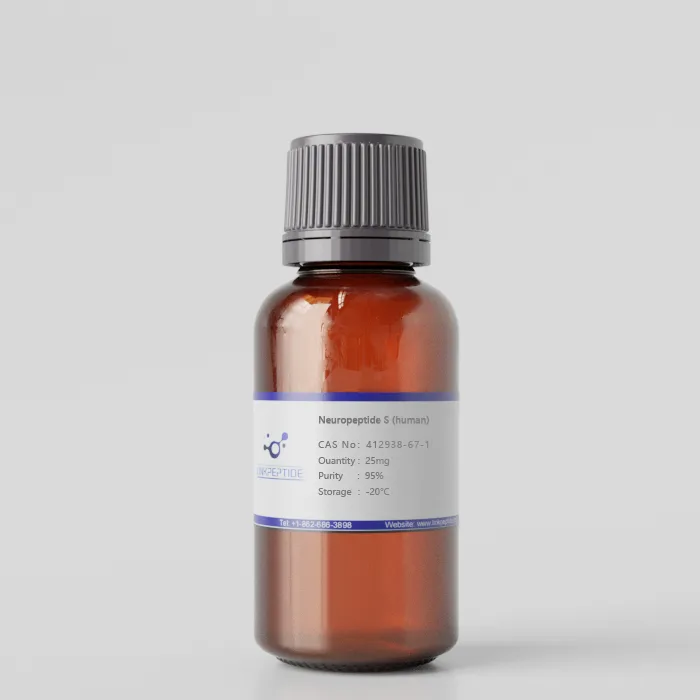
Product Name:Neuropeptide S (human)
CAS No:412938-67-1
Purity:95%
Molar Mass:2187.5
Chemical Formula:C93H155N31O28S
Storage:Store at -20 degrees Celsius
Sequence:SFRNGVGTGMKKTSFQRAKS
Target:neuropeptide S receptor
Application:
Neuropeptide S (human) is a bioactive peptide that binds to the neuropeptide S receptor (NPSR), influencing a range of physiological processes, including arousal, anxiety, and stress response. It is known for its anxiolytic effects, as well as its ability to promote wakefulness and modulate respiratory function. Neuropeptide S has gained attention in research for its potential therapeutic applications in anxiety disorders, sleep disorders, and stress-related conditions. By interacting with NPSR, this peptide provides insights into the neurobiological mechanisms underlying fear and anxiety, making it a valuable tool in the development of treatments for neuropsychiatric and respiratory disorders.
Current Research:
Neuropeptide S (NPS) is a 20-amino acid peptide that exerts its effects by binding to the Neuropeptide S receptor (NPSR), a G protein-coupled receptor. This interaction influences various physiological processes, including arousal, anxiety modulation, and stress responses. Expression and Distribution In humans, NPS is primarily expressed in specific brainstem regions, notably the parabrachial area and the pontine central gray matter. The distribution of NPS-expressing neurons suggests a role in integrating visceral autonomic information and emotional behavior. NPSR is widely distributed throughout the brain, with significant expression in areas such as the amygdala, hypothalamus, and cortex, indicating its involvement in diverse neural functions. Physiological Functions Activation of NPSR by NPS has been shown to promote arousal and exert anxiolytic-like effects. In rodent studies, central administration of NPS induces hyperlocomotion and reduces anxiety-related behaviors. These findings suggest that the NPS-NPSR system plays a crucial role in regulating sleep-wake cycles and emotional responses. Clinical Implications Genetic variations in the NPSR gene have been associated with susceptibility to certain conditions. For instance, specific polymorphisms in NPSR are linked to an increased risk of asthma, highlighting a potential role in immune system regulation. Additionally, rare mutations in NPSR have been implicated in sleep disorders, such as familial natural short sleep, suggesting that alterations in NPS signaling can affect sleep duration and quality. Therapeutic Potential Given its involvement in arousal and anxiety modulation, the NPS-NPSR system presents a promising target for therapeutic interventions in mood and sleep disorders. Developing selective NPSR agonists or antagonists could offer novel treatments for conditions like anxiety disorders, insomnia, and other stress-related ailments. However, further research is necessary to fully understand the system's mechanisms and to develop safe and effective therapeutic agents.
Reference:
Get a Quote
 LinkPeptide

![[Leu31,Pro34]-Neuropeptide Y (human, rat)](https://www.linkpeptide.com/wp-content/uploads/2024/10/Leu31Pro34-Neuropeptide-Y-human-rat-jpg-3.webp "[Leu31,Pro34]-Neuropeptide Y (human, rat)")